
Last updated October 16, 2026
 AC repair
 Furnace & heating
 Heat pumps
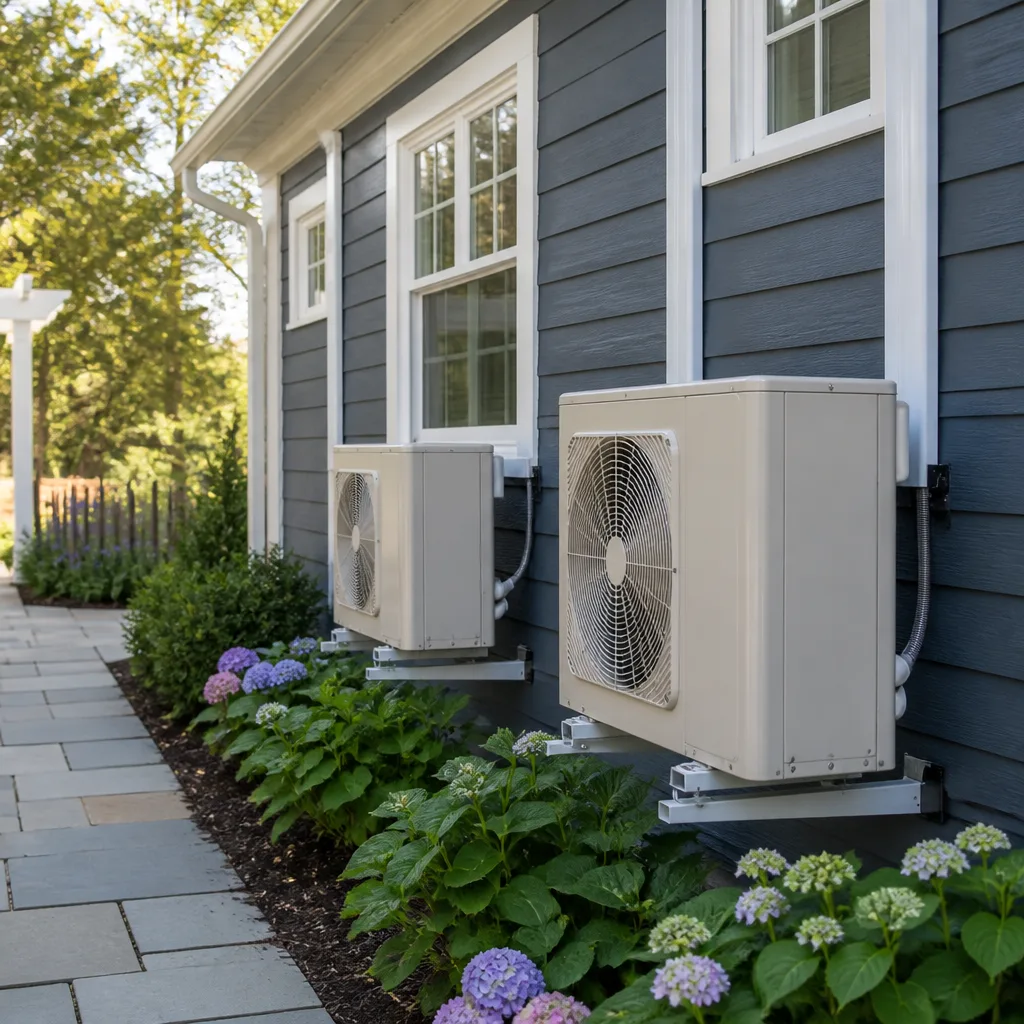 Ductless mini splits
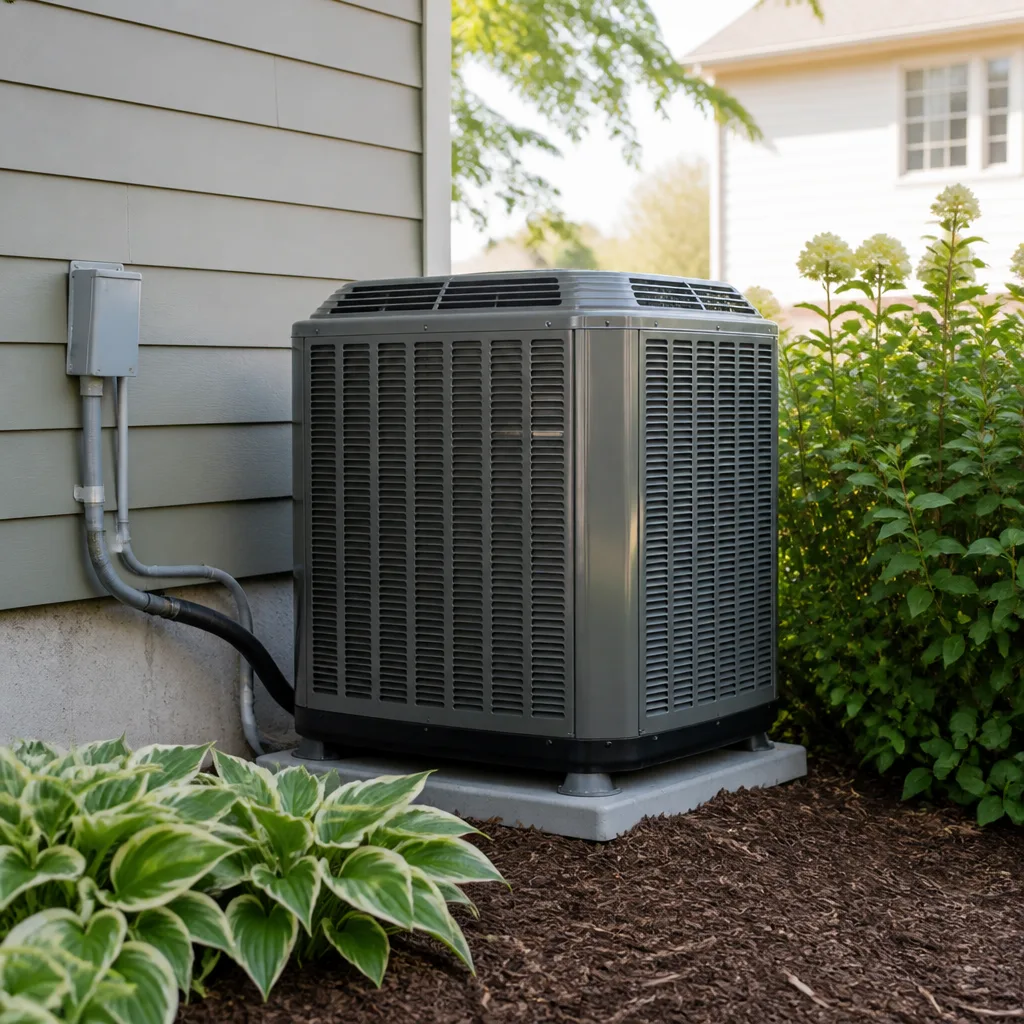 Trane
Trane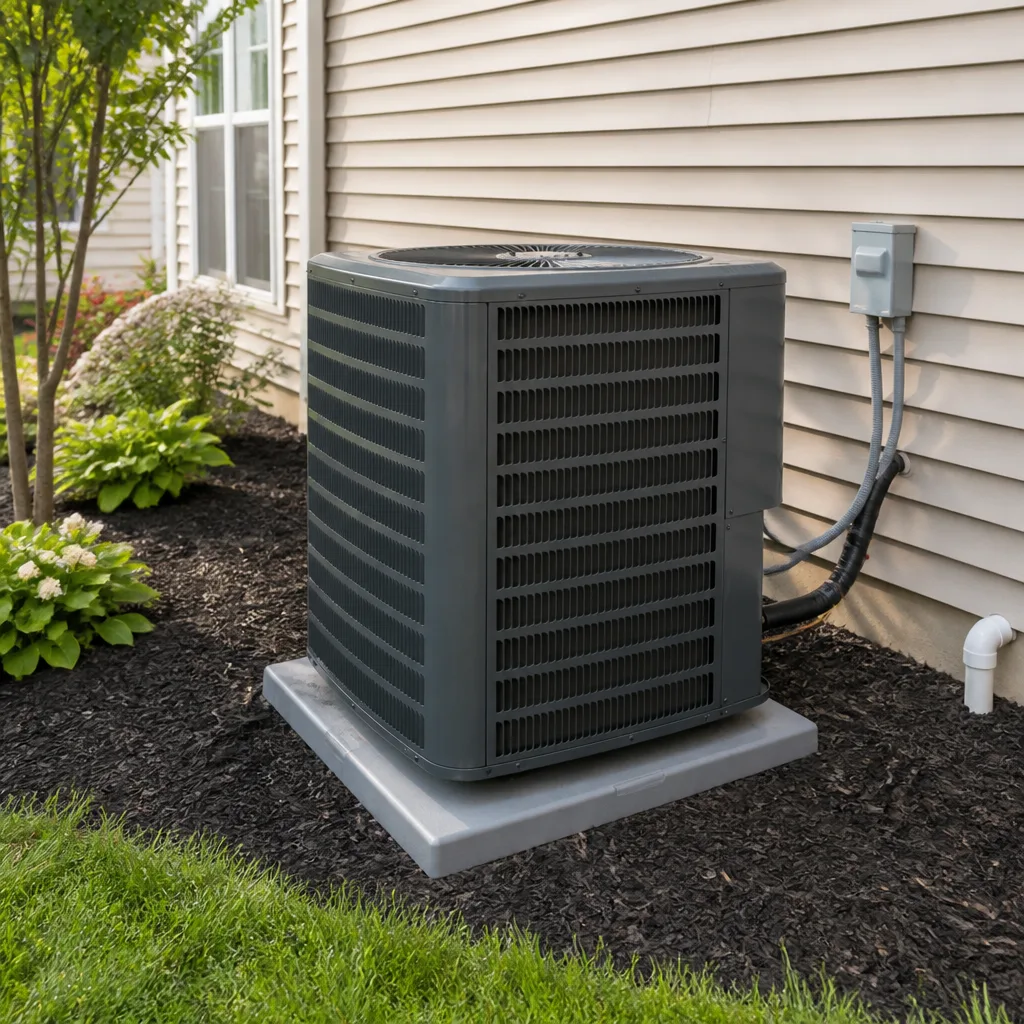 Goodman
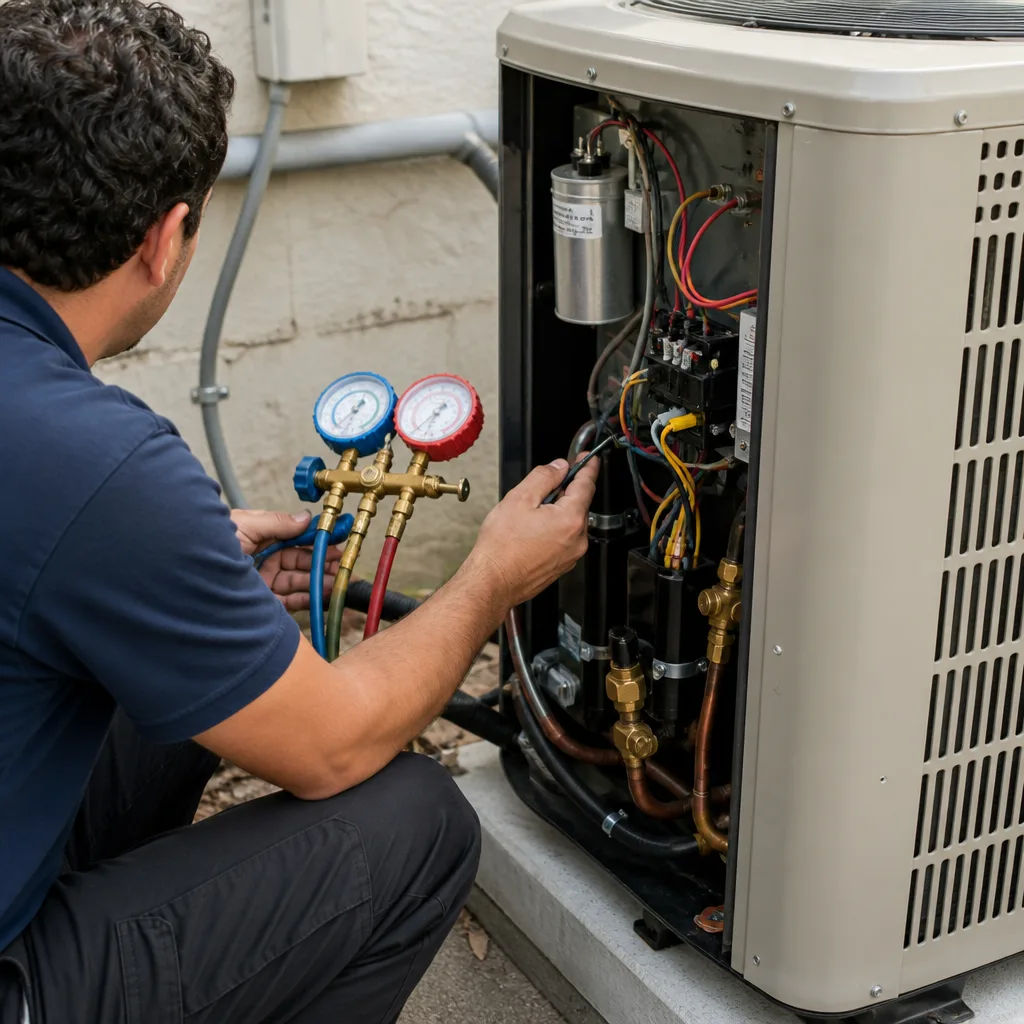
Seasonal tune-up and full diagnostic on your Carrier, Trane, or Goodman system - readings shown to you before any repair is proposed
Diagnosis first, numbers second - you approve the repair price before a single part goes in.
Get your free estimateThe Complete Guide to HVAC in Fort Lauderdale
A 16 SEER2 unit installed correctly in Denver will run for 18 years. The same unit installed in Fort Lauderdale without corrosion-resistant coil treatment may show refrigerant leaks in five. The equipment isn’t the problem. The environment is. Salt air off the Atlantic, humidity that rarely drops below 70%, and a near-total absence of a heating season change every rule you’ve read in national HVAC guides. This guide is built around what Fort Lauderdale actually does to air conditioning systems, ductwork, and service schedules, and what you can do about it before a $9,000 replacement becomes a surprise expense.
Quick Answer
HVAC in Fort Lauderdale is dominated by one reality: your air conditioner runs 3,000-plus hours per year in salt-laden, high-humidity air, which means corrosion protection, proper sizing for latent heat removal, and sealed ductwork matter far more than brand name or raw efficiency rating. A properly specified system with a corrosion-treated coil, a real Manual J load calculation, and sealed ducts will typically run 12 to 15 years here. The same equipment installed without those three things often fails in six.
Styles & brands we work with
Table of Contents
- Why Coastal Salt Air Kills Coils Early
- Why Sizing in South Florida Is Different From Everywhere Else
- Humidity Above 60%: The Real Diagnostic Signal
- Duct Leakage in a 150-Degree Attic
- SEER2 Rebates and Broward County Programs
- A Fort Lauderdale Maintenance Schedule That Actually Works
- Repair or Replace: The Fort Lauderdale Math
- Choosing an HVAC Contractor Without Getting Burned
Why Coastal Salt Air Kills Coils Early
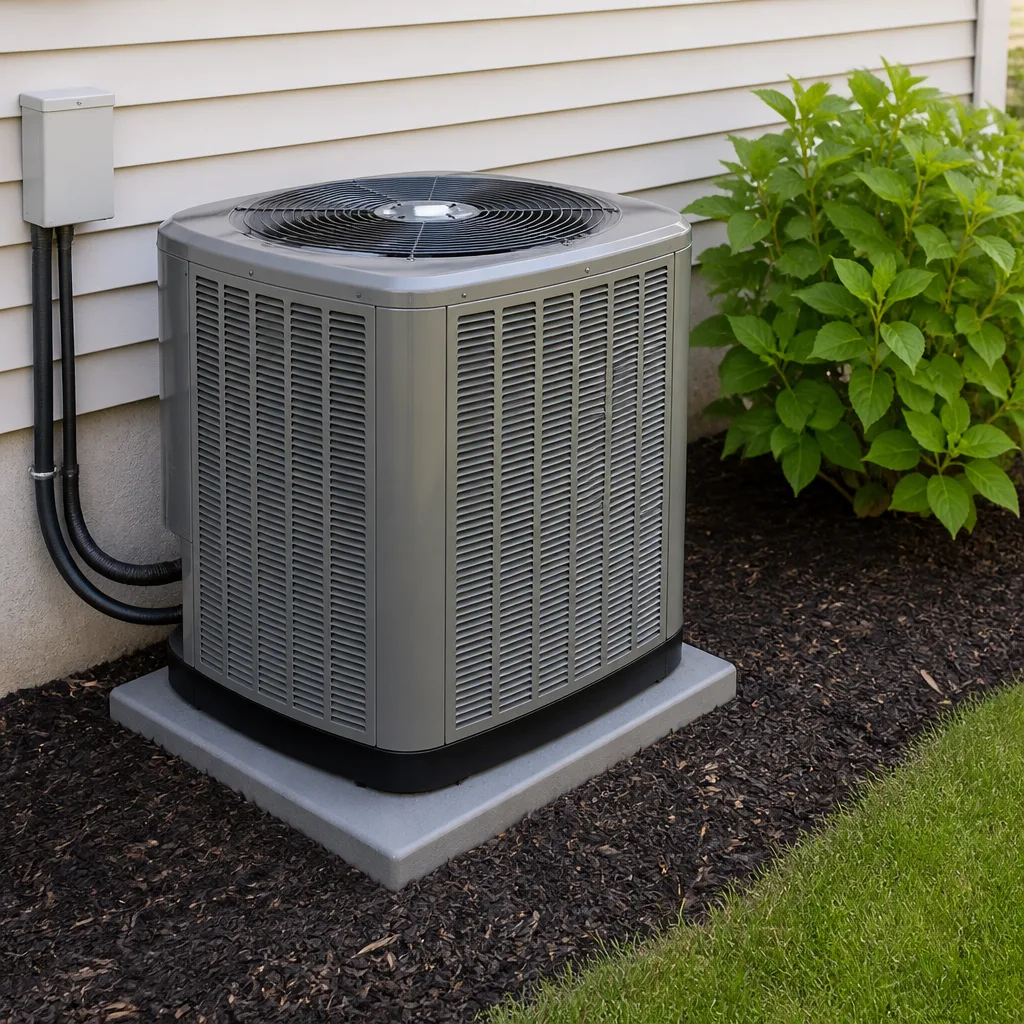
The condenser coil is the part of your outdoor unit where refrigerant releases heat. In Fort Lauderdale, that coil sits in air carrying microscopic salt particles from the Atlantic, often less than three miles from open water. Salt accelerates galvanic corrosion, which is what happens when two different metals touch in the presence of an electrolyte. In this case, the electrolyte is humid, salty air. The aluminum fins on your coil and the copper tubing behind them form exactly that kind of metal pair.
We see the pattern on service calls throughout Dalton Heating & Air Fort Lauderdale home territory: units seven or eight years old with fins that have turned to powder along the bottom third of the coil. That’s not a manufacturing defect. That’s salt exposure doing what salt does.
The fix is not a different brand. It’s a factory-applied corrosion treatment on the coil. Two coatings dominate the residential market:
- Blygold: a polyurethane coating applied to the coil before installation. It seals the aluminum fins and copper tubing against salt contact. Units with Blygold-treated coils routinely outlast untreated units by five or more years in coastal settings.
- Phenolic epoxy: a thicker coating used by some manufacturers on their coastal product lines. It works well but adds a small airflow resistance that the installer must account for in the load calculation.
One thing to understand: aftermarket spray coatings applied in the field are not the same as factory-applied treatment. A can of coil coating from a supply house will not bond the way a factory-applied cure does. If you’re buying equipment for a home east of US-1 in Fort Lauderdale, ask for a factory coastal package. If the salesperson doesn’t know what that means, you’ve learned something important about the salesperson. For a deeper look at when to handle things yourself versus calling a pro, see our DIY vs Professional HVAC: The Fort Lauderdale Homeowner’s Decision Guide.
Why Sizing in South Florida Is Different From Everywhere Else
In most of the country, HVAC sizing accounts for both heating and cooling loads. A Denver home needs a system sized to handle 10-degree winter nights, which means the compressor is sized larger than cooling alone would require. In Fort Lauderdale, there is no meaningful heating season. The heating load for a typical 2,000-square-foot home here might be a third of the cooling load. So the compressor is selected almost entirely for cooling.
That’s not a simplification. It’s a trap.
When a unit is sized only for cooling, the tendency is to oversize it. Homeowners ask for “a little extra capacity” and contractors, historically, have been happy to sell a 4-ton unit where a 3-ton would do. The result in our humidity is a unit that satisfies the thermostat in eight minutes and shuts off. Eight minutes is not enough runtime to pull moisture out of the air. You end up with a cold, clammy house that’s 74 degrees and 65% relative humidity, and a compressor that cycles so often its bearings fail years early.
The corrective is a Manual J load calculation. It’s a room-by-room heat gain analysis that accounts for window orientation, insulation, air infiltration, and internal loads like kitchen appliances and the number of occupants. In Fort Lauderdale, the Manual J must also account for the latent load, which is the moisture that has to be condensed out of the air to keep indoor humidity below 55%. A Manual J done properly here typically shows a smaller cooling requirement than the old rule-of-thumb “500 square feet per ton” would suggest.
Any contractor who gives you a quote without asking for square footage, window counts, insulation levels, and an attic inspection is not doing a Manual J. They’re guessing. And in this climate, guessing costs you money every month plus a shorter system life.
Humidity Above 60%: The Real Diagnostic Signal
If your indoor humidity sits above 60% while the AC is running, most people assume the unit is broken. Often it isn’t broken. It’s either oversized or running with insufficient airflow. Here’s the distinction that matters:
An undersized or failing unit runs constantly and still can’t reach setpoint. The temperature stays high, the humidity stays high, and the system never cycles off. That’s a capacity problem: refrigerant loss, a failing compressor, a plugged filter, or a system that was undersized from day one.
An oversized or short-cycling unit reaches the setpoint quickly and shuts off, often in under ten minutes. Temperature drops fine, but humidity never gets pulled down because the coil never gets cold long enough to condense moisture. The house feels like a wine cellar: cool and sticky.
The tell-tale numbers from a data logger or a smart thermostat: if the system cycles more than four times per hour during the afternoon, or if the runtime per cycle is under ten minutes on a hot day, that points to oversizing. If it runs continuously from 2 PM to 6 PM and doesn’t hold 75 degrees, that points to undercapacity or a refrigeration problem.
The 60% indoor relative humidity threshold matters because mold begins to establish at sustained levels above 60% RH. Not instantly. But over weeks. In Fort Lauderdale, where outdoor RH runs 75% to 90% for months at a stretch, an AC that can’t hold indoor RH at or below 55% is a mold enabler even if the temperature is comfortable. This is why we treat “cool but humid” as a system fault, not a preference issue.
Duct Leakage in a 150-Degree Attic
Stop for a moment and think about what your ductwork goes through in July. If your ducts run through a vented attic, the air inside those ducts is 55 degrees. The attic air around them is 125 to 150 degrees. The ducts are insulated, yes. But just about every duct system in a 20-year-old Fort Lauderdale home leaks at the connections, the plenum, and the supply boots.
Every cubic foot of conditioned air that leaks into a 150-degree attic is air you paid to cool and never got to use. The U.S. Department of Energy has put duct leakage in typical homes at 20 to 30 percent. In Fort Lauderdale attics, we’ve measured higher. The efficiency loss from duct leakage in this climate often exceeds the efficiency loss from an aging condenser. You can replace a 10 SEER unit with a 17 SEER2 unit and see half the promised savings because the new unit is still pushing air through the same leaky ducts.
The fix is duct sealing, not new ducts, in most cases. Aeroseal is a process that injects a sealant mist into the duct system under pressure, sealing holes from the inside. We’ve also had good results with manual mastic sealing at accessible joints. The measurable target is a duct leakage rate below 10% of total airflow. A blower door or duct blaster test gives you that number before and after.
If you’re planning a replacement system and the attic ducts are original from 1998, run a AC Repair in Fort Lauderdale diagnostic before you sign anything. The new condenser will not fix duct leaks, and every month you run a new unit on old leaky ducts, you’re paying for air you lose into the attic.
SEER2 Rebates and Broward County Programs
SEER2 is the new efficiency metric that replaced SEER in 2023. The testing standard changed to reflect more realistic external static pressure, which is a way of saying the new numbers are closer to what the unit actually does in a real duct system. A 16 SEER2 unit is roughly equivalent to a 14.5 SEER unit under the old standard. If you see two quotes and one uses SEER and the other uses SEER2, the numbers are not directly comparable.
Broward County and Florida Power & Light run rebate programs that tie dollars to SEER2 ratings and to units that qualify as high-efficiency heat pumps. The programs change periodically, but the structure is consistent: the higher the SEER2, the bigger the rebate, up to a cap. Some programs also require installation by a participating contractor and proof that a matching indoor unit was installed, not just an outdoor condenser.
What most installers don’t mention at the point of sale is that the rebate paperwork is part of the install. It’s not a separate step the homeowner handles later. A proper quote includes the rebate amount, the program name, and the SEER2 qualification printed on the same document as the price. Dalton’s written pricing includes the rebate subtraction as a line item, because a rebate that gets “handled later” has a habit of never materializing.
For the current program details, check FPL’s residential rebate page or ask your contractor to show you the active rebate schedule. If they can’t produce it in writing, they aren’t participating in the program.
A Fort Lauderdale Maintenance Schedule That Actually Works
The standard national advice says “get your AC tuned up twice a year.” In Fort Lauderdale, that advice is not bad, but it misses the point. The point is what specific things need attention in this environment and when.
Here’s the schedule we run on our own service routes, built around the way Fort Lauderdale weather actually unfolds:
- March, before the heat ramps up: Full system check. Coil cleaning (with a corrosion-neutral cleaner, not acid), drain line flush, capacitor test, refrigerant pressure check, air filter replacement. Salt builds up on coils during the dry winter months when sea breezes are strongest.
- June, before the monsoon pattern sets in: Drain line and condensate pan check. The tropical rain season starts in late May. A clogged drain line in June means water on the ceiling by July. This is the single most common emergency call we run in Fort Lauderdale in July.
- September, after peak load: Filter replacement, thermostat calibration, and a runtime review. Pull the data from the thermostat. If short-cycling is present, address it before the next cooling season starts.
- December, the only quiet month: Duct inspection, especially in vented attics. Look for separated takeoffs, damaged insulation, and evidence of rodents. Fort Lauderdale attics collect more debris in a year than most attics see in a decade.
The filter question comes up often enough to answer directly here. A standard 1-inch fiberglass filter in Fort Lauderdale should be replaced every 60 days, sooner if you have pets or the house faces a canal or open water. A 4-inch media filter can run 6 to 12 months. If you have a Heat Pump Installation in Fort Lauderdale setup, the same schedule applies, but the outdoor unit needs coil checks every quarter because heat pumps run essentially year-round here.
Repair or Replace: The Fort Lauderdale Math
The traditional rule says replace when the repair cost times the age of the unit exceeds $5,000. That rule was never useful, and in Fort Lauderdale it’s actively misleading. The better framework is this: what is the remaining useful life of the coil, and is the compressor still mechanically sound?
A compressor replacement on a 3-ton unit runs $1,800 to $2,800 here. A coil replacement runs $1,200 to $2,000. If the unit is 12 years old and the compressor has failed, the coil is not far behind. Put $2,500 into a 12-year-old system and you’ve bought, on average, two to three more years in this salt air. That math rarely works.
If the unit is 6 years old and the failure is a capacitor or a fan motor, the repair clearly makes sense. Those are wear parts, not structural failures. The repair is $200 to $450 and the system has a decade of life left if the coil was protected.
The Fort Lauderdale wild card is coil corrosion. When we see refrigerant leaks on a unit that’s less than five years old, and the coil shows pitting along the bottom edge, the repair will not hold. Welding a corroded coil is like patching a roof with cardboard. The leak moves. We’ll tell you plainly: if the coil has visible corrosion and the unit lost refrigerant, that’s a replacement decision even if the unit is young.
Here’s the HVAC cost breakdown for Fort Lauderdale homeowners: a full system replacement for a 2,000-square-foot home runs roughly $8,500 to $14,000 depending on SEER2, brand, and whether you replace the air handler or just the outdoor unit. Lennox and Goodman both make solid coastal packages in that range. Rheem and York have competitive mid-tier options. The brand matters less than the coil treatment and the quality of the duct integration.
Choosing an HVAC Contractor Without Getting Burned
Fort Lauderdale has more HVAC contractors per square mile than almost anywhere in the country. That’s a market signal: high demand, high turnover, and a lot of outfits that vanish in October when the season softens. Here’s how to hire a HVAC contractor in Fort Lauderdale and separate a legitimate operator from a pickup-truck operation, based on the patterns we’ve corrected over twenty-plus years in this market.
- Written price before work starts. Not a verbal estimate. Not a range. Not “we’ll see once we get inside.” A written price with a scope of work. If a contractor won’t put the number on paper before starting, you’re not hiring a contractor. You’re gambling.
- Licensed and insured, with proof. Florida requires a state HVAC license. Ask for the license number. Then check it on the DBPR website. It takes ninety seconds. Most burned homeowners never did.
- Uniformed, background-checked technicians. You’re letting a stranger into your home and onto your roof or into your attic. You have a right to know who that person is before they arrive. A company that sends inconsistent, unidentified personnel has not invested in the basic infrastructure of a professional service.
- A real human answers the phone. Call the number at 9 PM. If you get a voicemail, that’s useful information. In Fort Lauderdale, an AC failure in August is a health risk for the very young and very old. A company that serves this market should have a live person on the line around the clock.
- A written guarantee on repairs. Ask what happens if the repair fails in a month. If the answer is vague, walk. A legitimate repair carries a guarantee in writing, and that guarantee includes a return visit at no charge if the work doesn’t hold.
We hold to Furnace Repair in Fort Lauderdale standards that match these criteria because the alternative, a callback system where you chase a dispatcher for two weeks, is what drove most of our customers to us in the first place.
Common Mistakes to Avoid
- Buying a unit without a coastal coating. In Fort Lauderdale, this is the single most expensive mistake. A standard coil in salt air can start leaking refrigerant in as little as five years. A factory-coated coil often doubles that lifespan.
- Letting a salesperson size the unit by square footage alone. That’s not sizing. That’s a guess. A Manual J load calculation is the only legitimate basis for selecting equipment, and any contractor who skips it is transferring the risk of a wrong-sized unit to you.
- Ignoring duct leakage because “the unit is new.” A new condenser on leaky ducts is a sports car on flat tires. Seal the ducts before you spend money on a higher SEER2 unit. The efficiency gain is often bigger from the duct work than from the equipment.
- Using the wrong drain line cleaner. Bleach is the standard advice, and bleach is the wrong advice. Bleach corrodes the PVC and the microbial film it’s meant to clear. Use white vinegar or a commercial condensate line cleaner. It’s a small thing that prevents a big ceiling stain.
- Waiting until August to replace a failing system. The best time to replace a unit in Fort Lauderdale is between November and February, when install crews have open schedules and manufacturers run off-season pricing. August replacements pay a premium and wait three weeks for a slot.
- Not asking about the rebate. FPL and Broward County programs return real money for qualifying SEER2 units. If your quote doesn’t show the rebate, they either don’t participate or they’re keeping it. Both are problems.
- Running the thermostat at 68 in July. A properly sized system in Fort Lauderdale will struggle to hold 68 when the outdoor temp is 93 and the humidity is 85%. You’re not getting more dehumidification. You’re just shortening the compressor’s life. 74 to 76 is the realistic band for this climate.
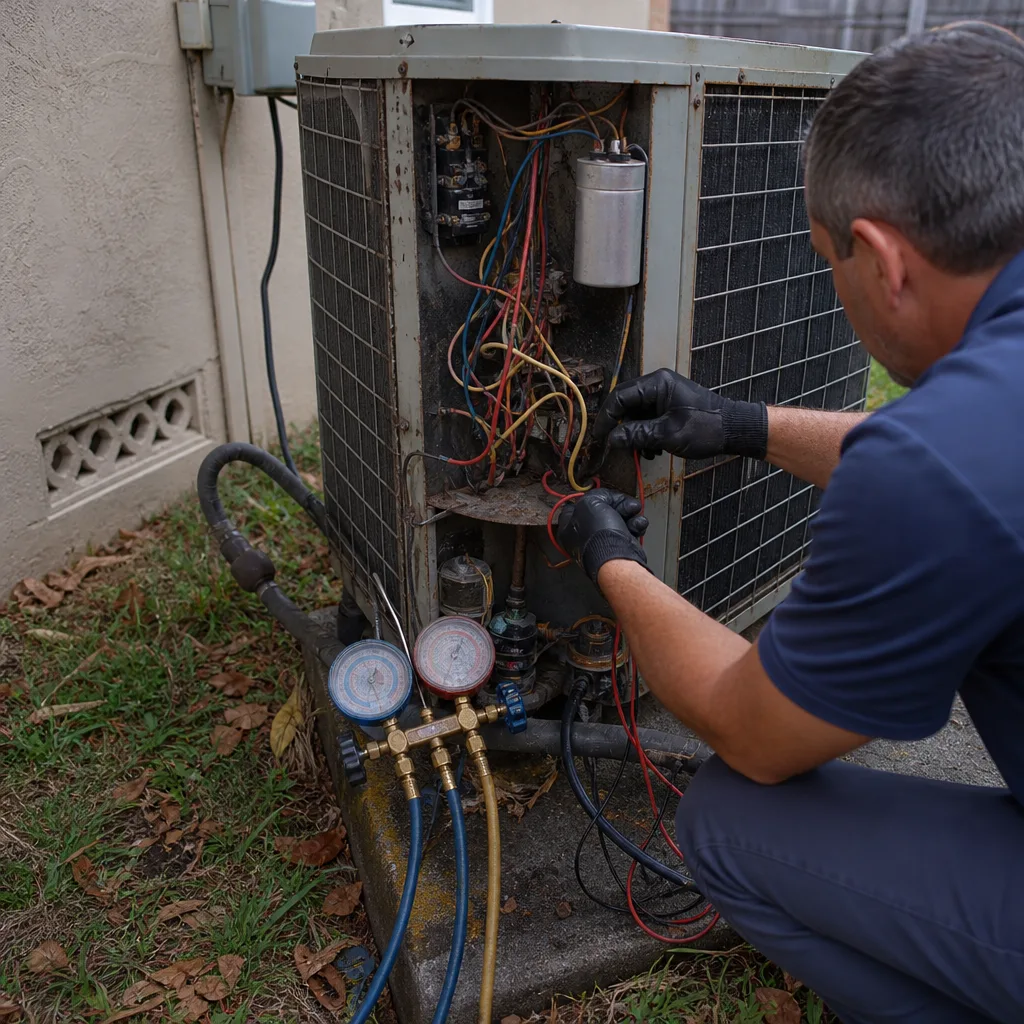
See the difference
 Before
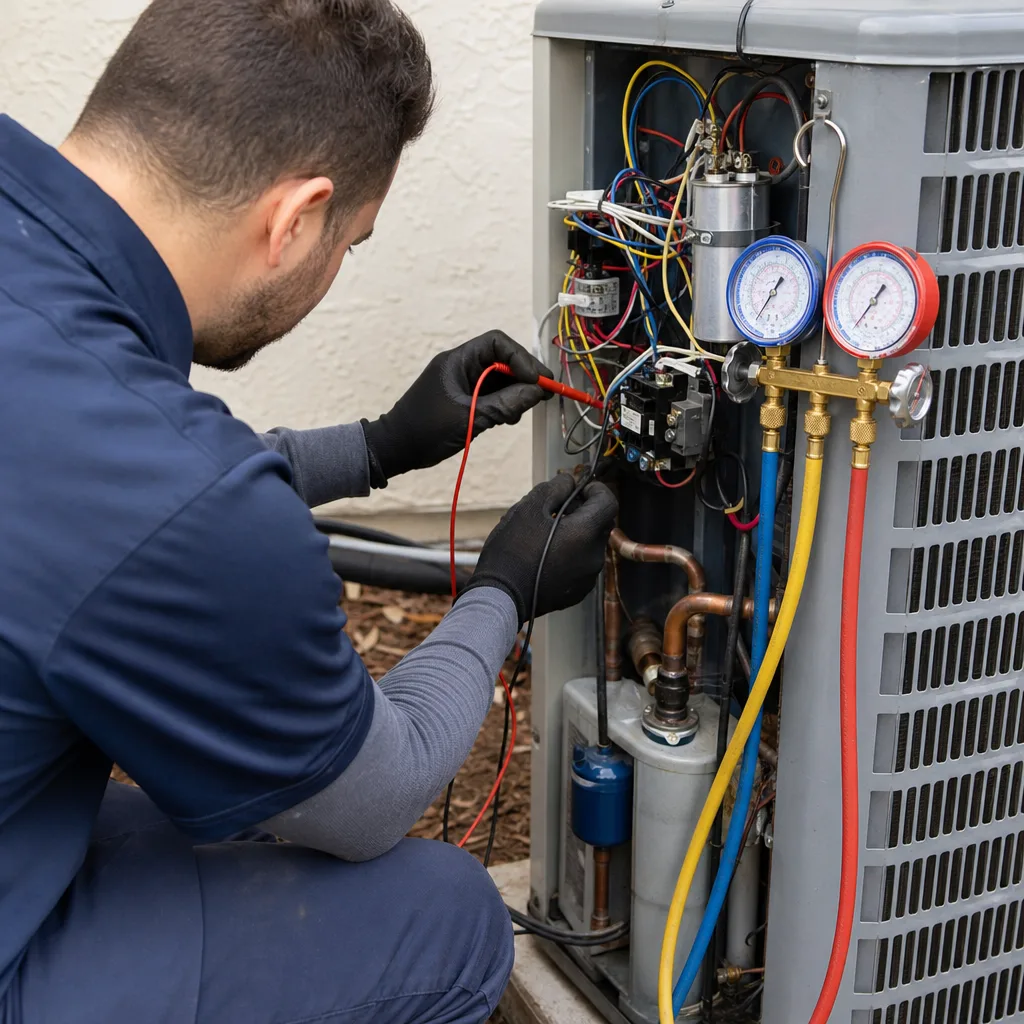 After
After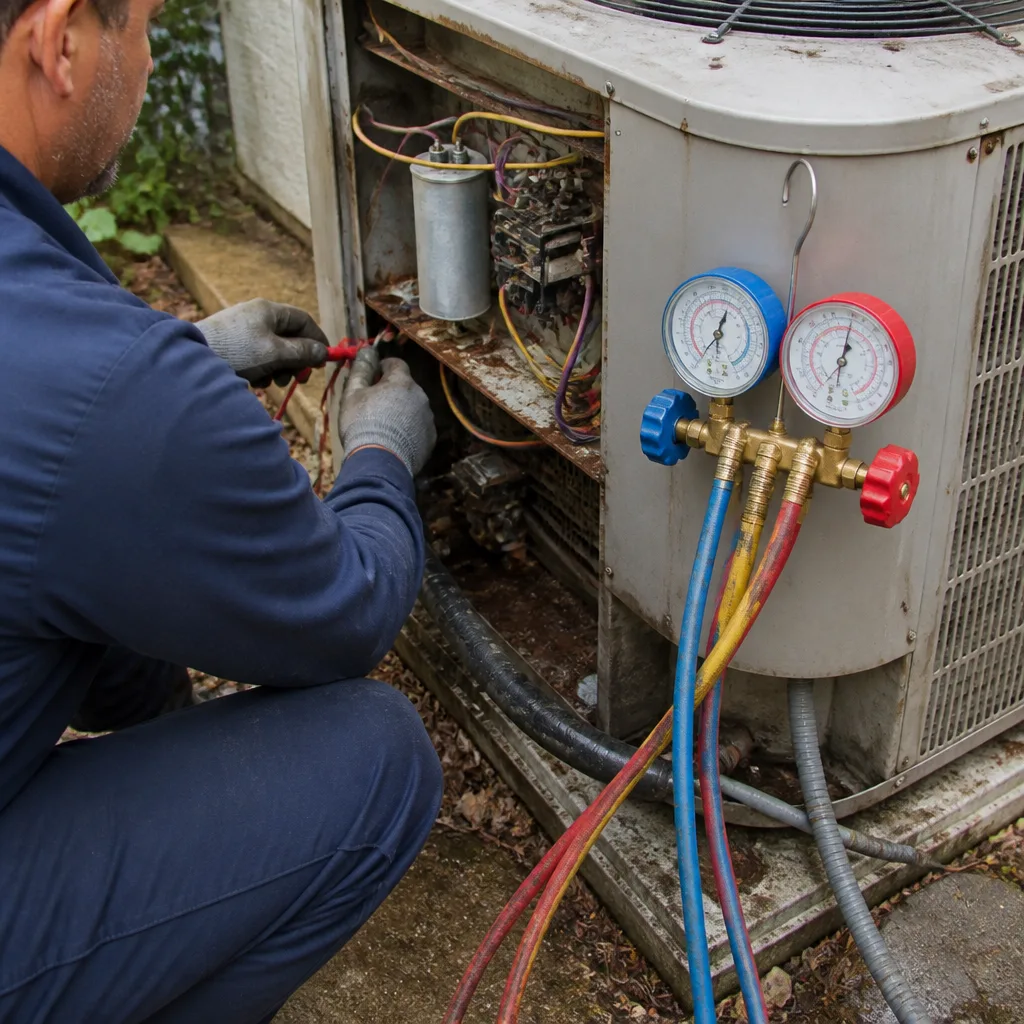 Before
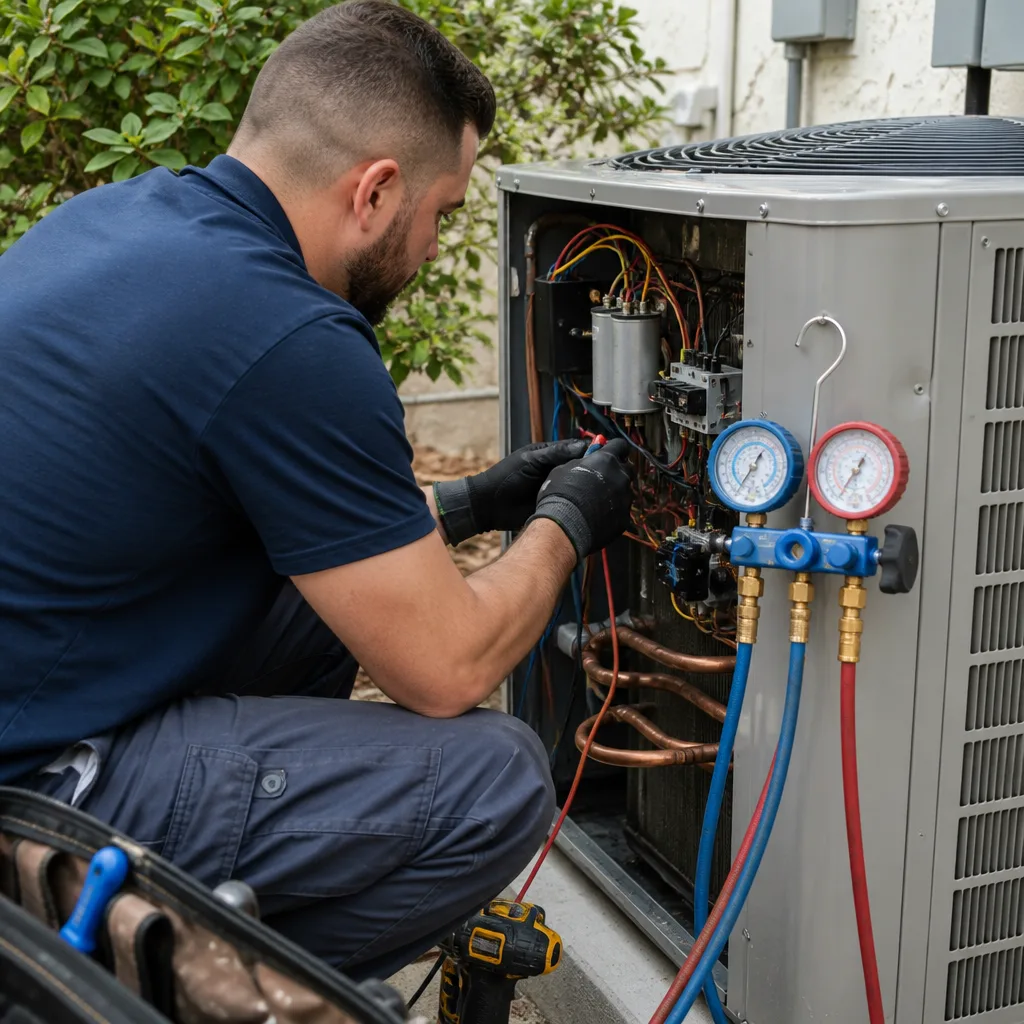 After
After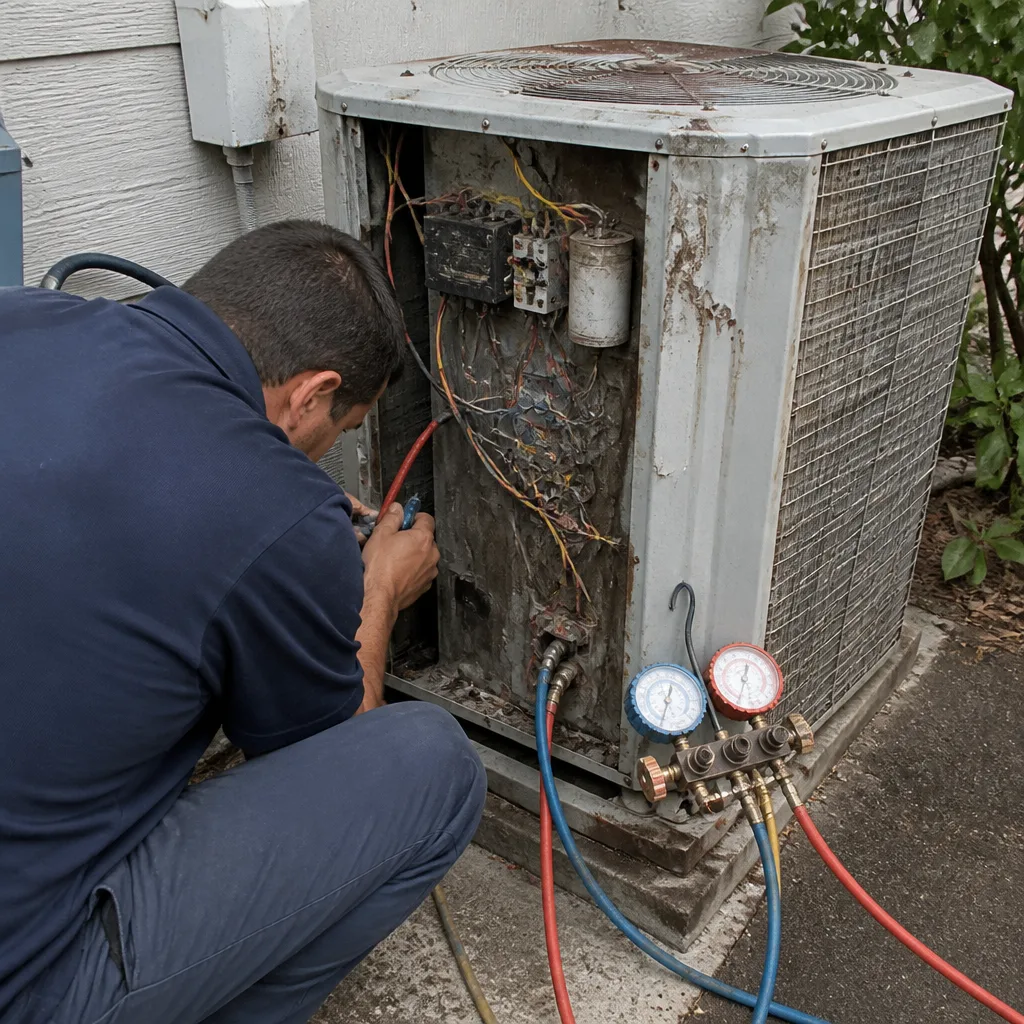 Before
 After
AfterWhen to Call a Professional
Call a licensed contractor when the system is running but not cooling, when indoor humidity stays above 60% despite the AC cycling, when you see water around the indoor unit, when you hear grinding or screeching from the compressor, or when your electric bill climbs 30% without a matching change in outdoor temperature. These are not DIY situations. Refrigerant is regulated, the electrical work is dangerous, and the diagnostic equipment alone costs more than the service call. Dalton Heating & Air Fort Lauderdale offers free estimates in Fort Lauderdale. Call (754) 354-6972 and you’ll talk to a person, not a queue.
Frequently Asked Questions
A well-maintained system with a factory corrosion-resistant coil and properly sealed ducts will typically last 12 to 15 years in Fort Lauderdale. The same system without that protection often fails within six to eight years because salt air degrades the condenser coil and causes refrigerant leaks.
For most Fort Lauderdale homes, a 16 SEER2 unit is the sweet spot. It qualifies for many rebate programs and delivers solid efficiency without the price premium of 19-plus SEER2 equipment. The more important spec in this climate is the coil treatment, not the SEER2 number.
Yes, a properly sized unit can run continuously for hours on the hottest days. In fact, long runtime is what you want for dehumidification. The problem is short cycling, where the unit runs less than ten minutes per cycle. That’s a sign of oversizing and it shortens compressor life.
Every 60 days for a standard 1-inch filter, more often if you have pets, face a canal, or live within a mile of the ocean. A 4-inch media filter lasts six to twelve months. A dirty filter reduces airflow, which reduces cooling capacity and increases humidity inside the home.
For a typical 2,000-square-foot Fort Lauderdale home, expect $8,500 to $14,000 for a complete system replacement depending on SEER2 rating, brand, and scope of work. This range assumes a matching indoor and outdoor unit and does not include major duct replacement.
For most Fort Lauderdale homeowners, a heat pump makes sense because it handles both cooling and the occasional cool-weather heating demand without a separate furnace. The mild heating season here means the heat pump’s weakness, cold-weather efficiency loss, never becomes relevant. The key is sizing it correctly for the cooling load, which dominates in this climate.
The Bottom Line
Fort Lauderdale HVAC is not a harder version of HVAC everywhere else. It’s a different discipline. The environment demands corrosion protection on every coil, sizing that accounts for latent heat rather than just temperature, ducts that don’t leak into a 150-degree attic, and a maintenance schedule built around salt, humidity, and rain rather than the four seasons. Get those four things right and your system will deliver the 12 to 15 years the equipment was designed for. Get any one of them wrong and you’ll replace the unit early, regardless of what brand you bought. For more guides & resources on keeping your system running in this climate, explore our blog. The brand name doesn’t fail in Fort Lauderdale. The environment wins unless you design for it.
If you’re planning a replacement, a repair, or just want a straight answer about the system you have, call Dalton Heating & Air Fort Lauderdale at (754) 354-6972. The estimate is free, the price is in writing, and a real person answers the phone.
Written by Marco Benitez, Owner at Dalton Heating & Air Fort Lauderdale, serving Fort Lauderdale since 2003.