
Last updated October 16, 2026
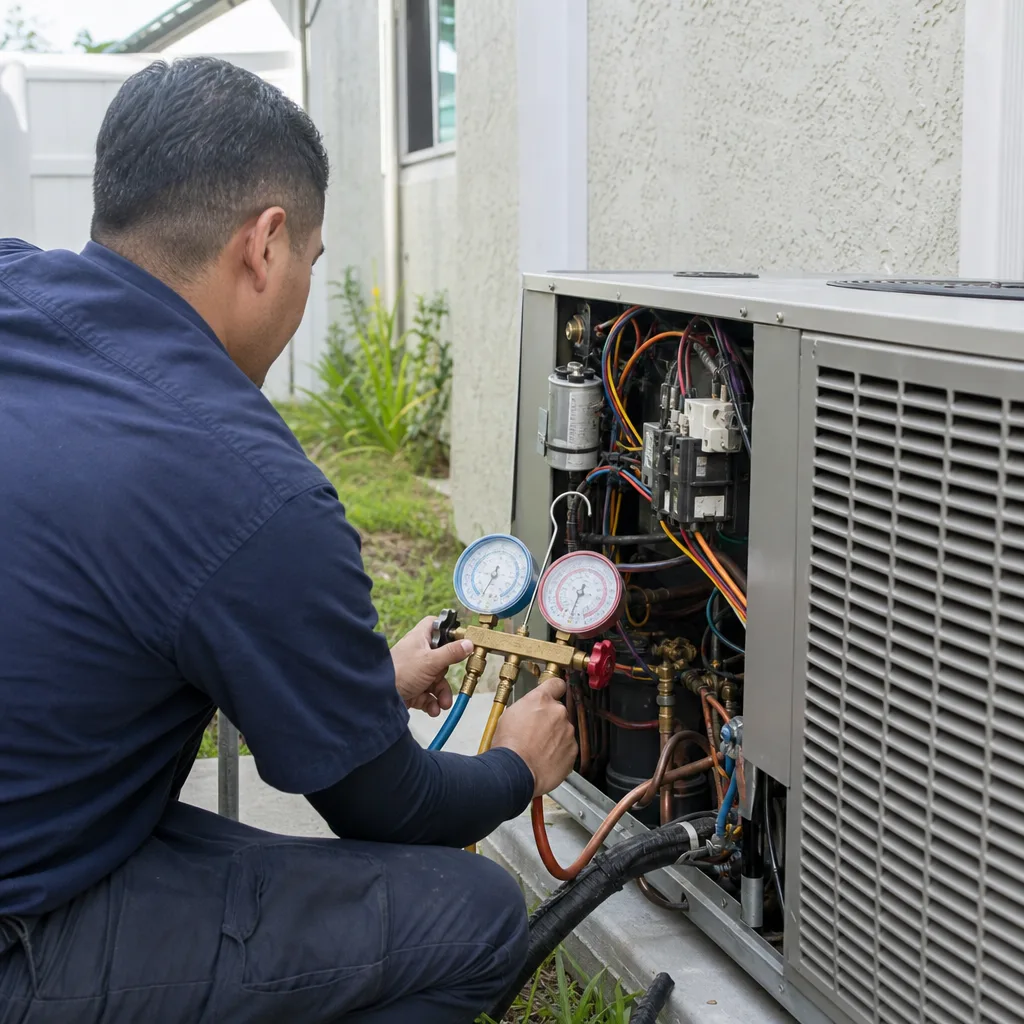
 AC repair
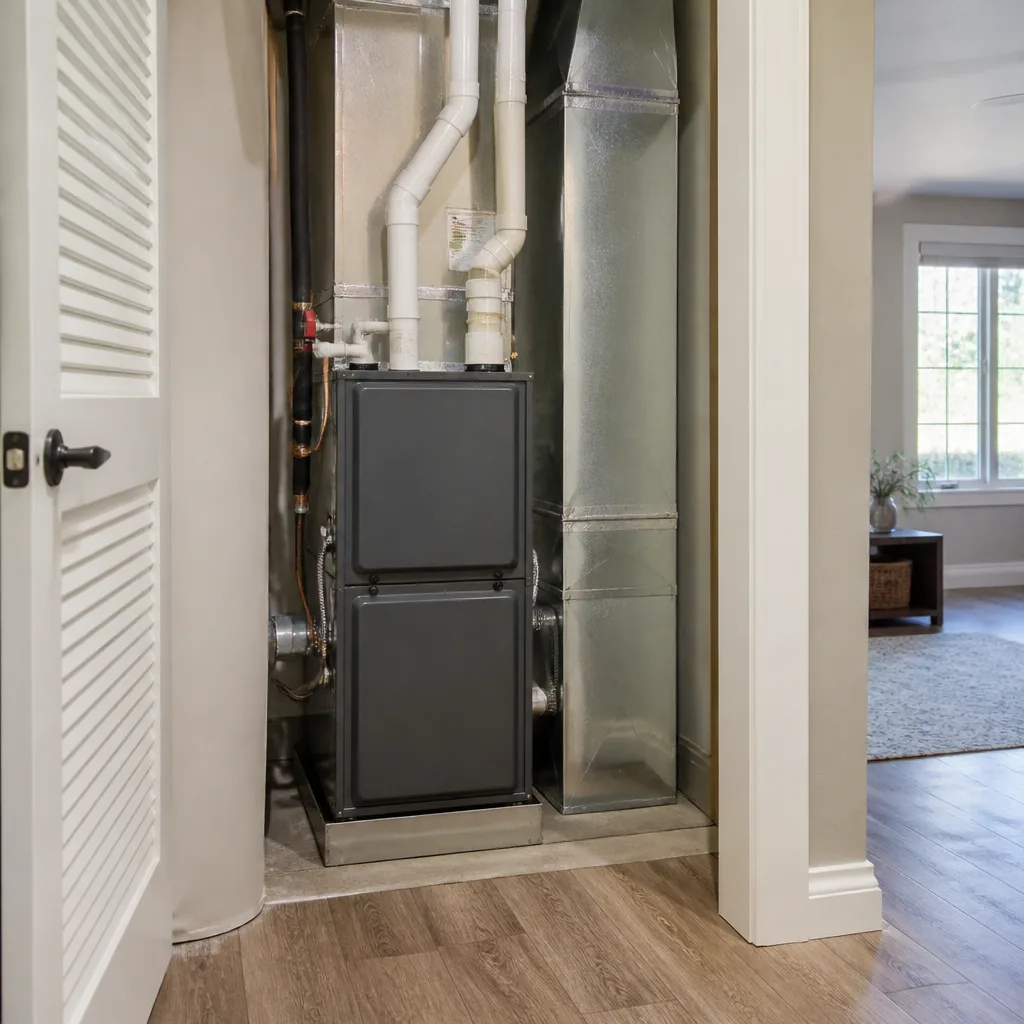 Furnace & heating
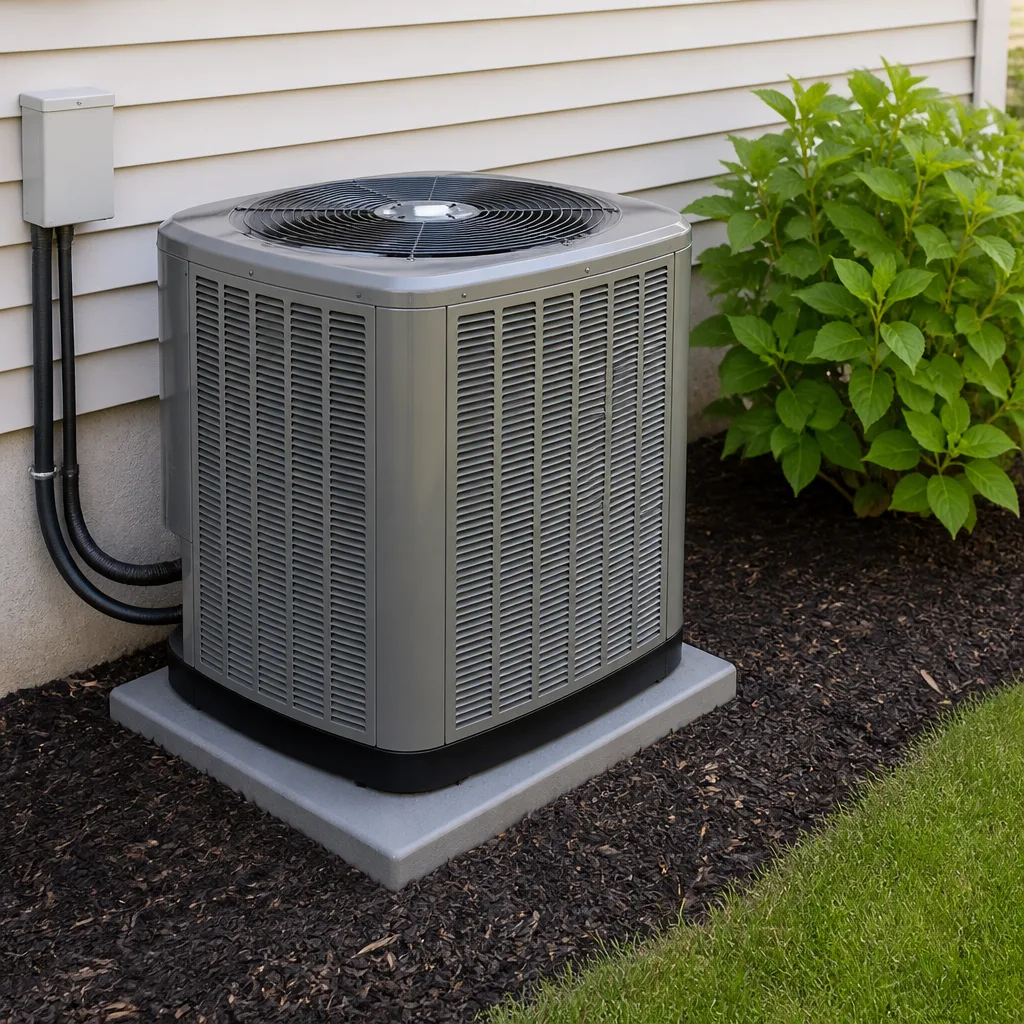
 Heat pumps
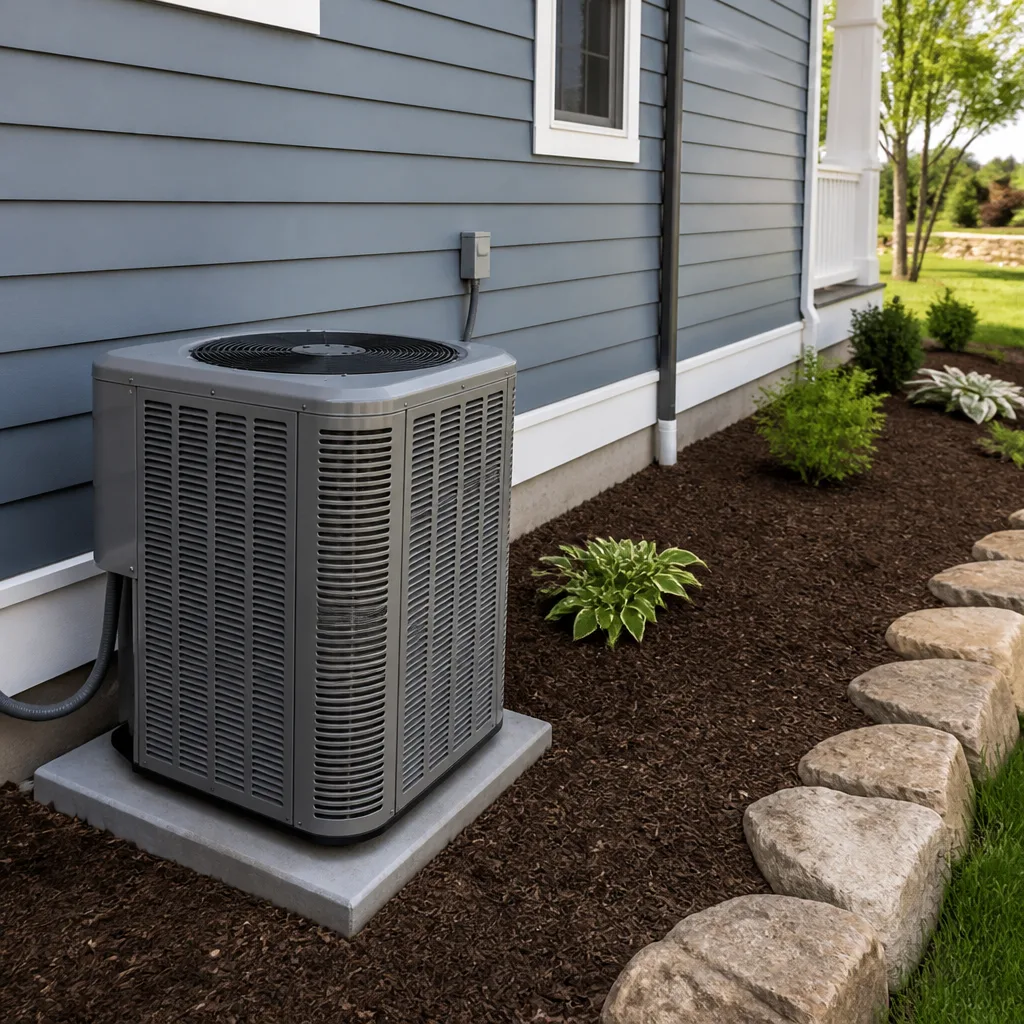
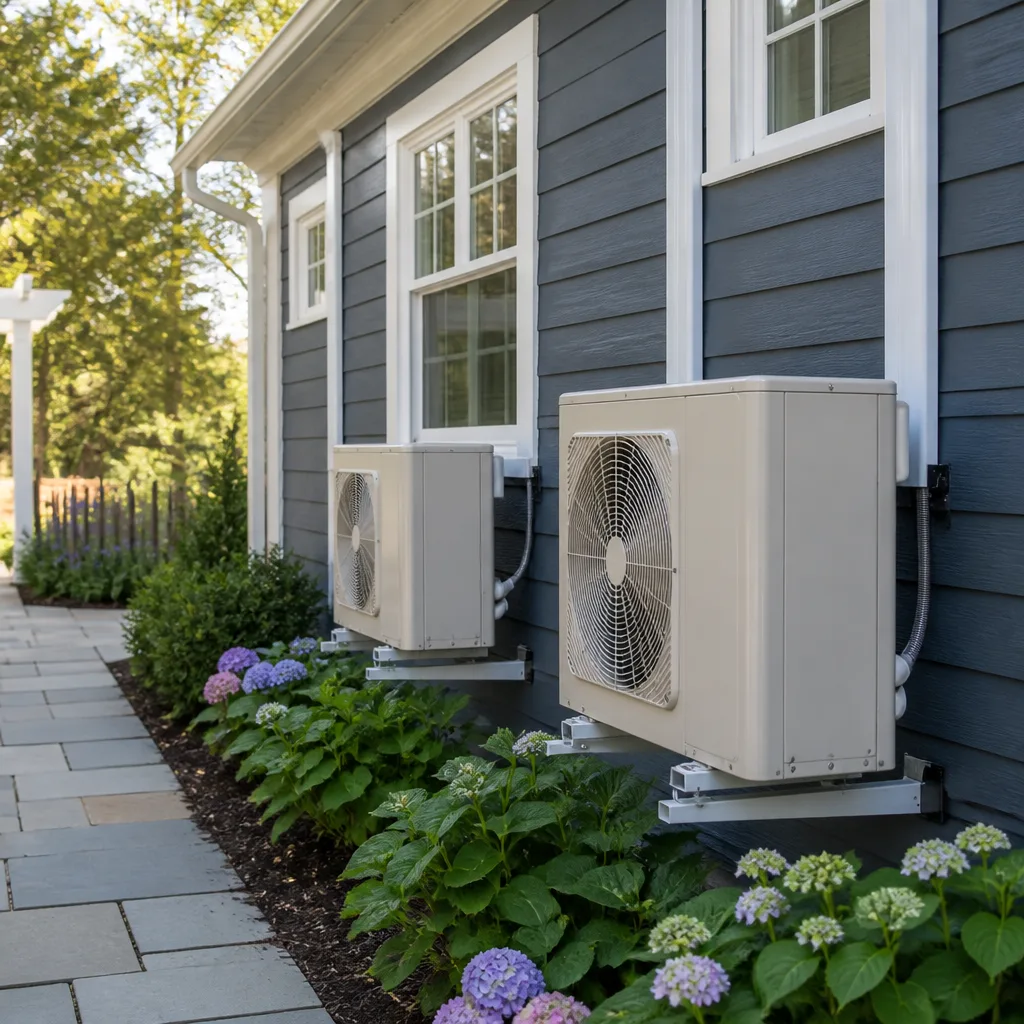 Ductless mini splits
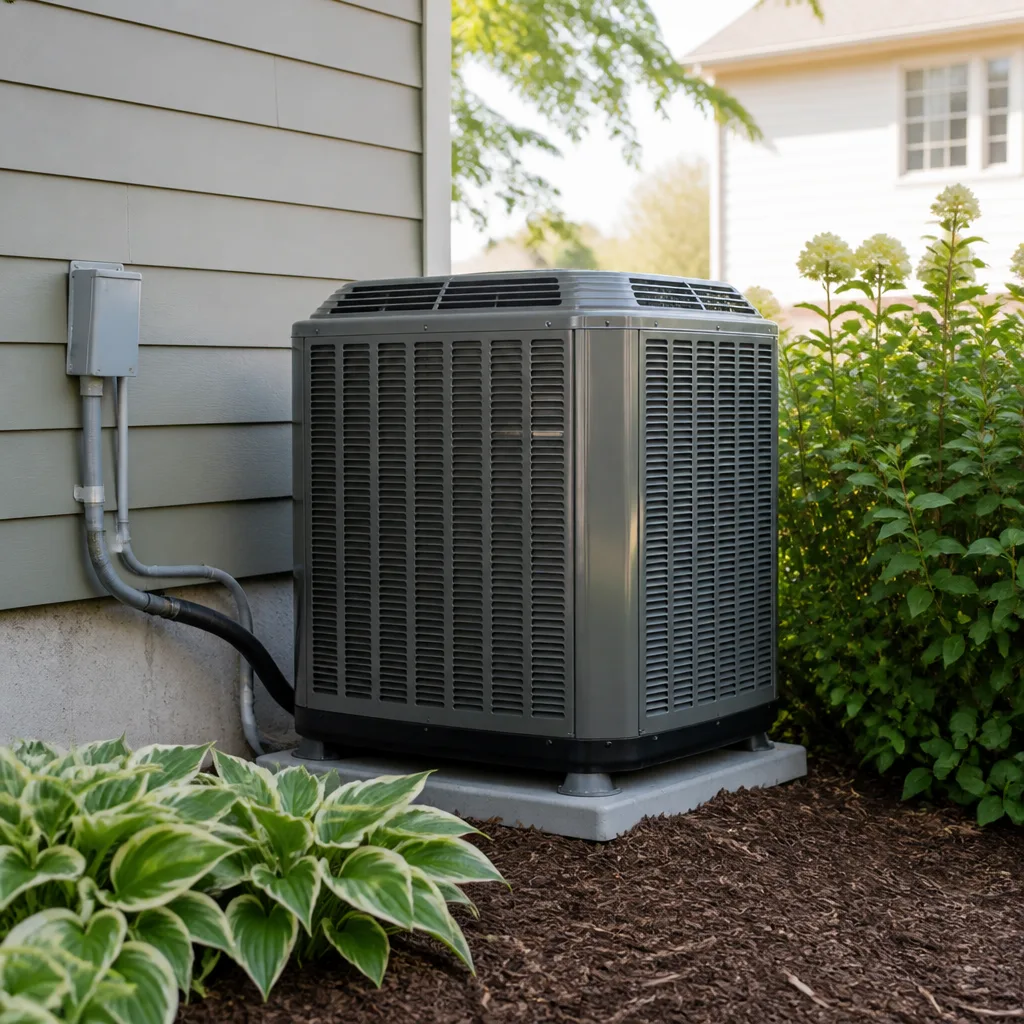 Trane
Trane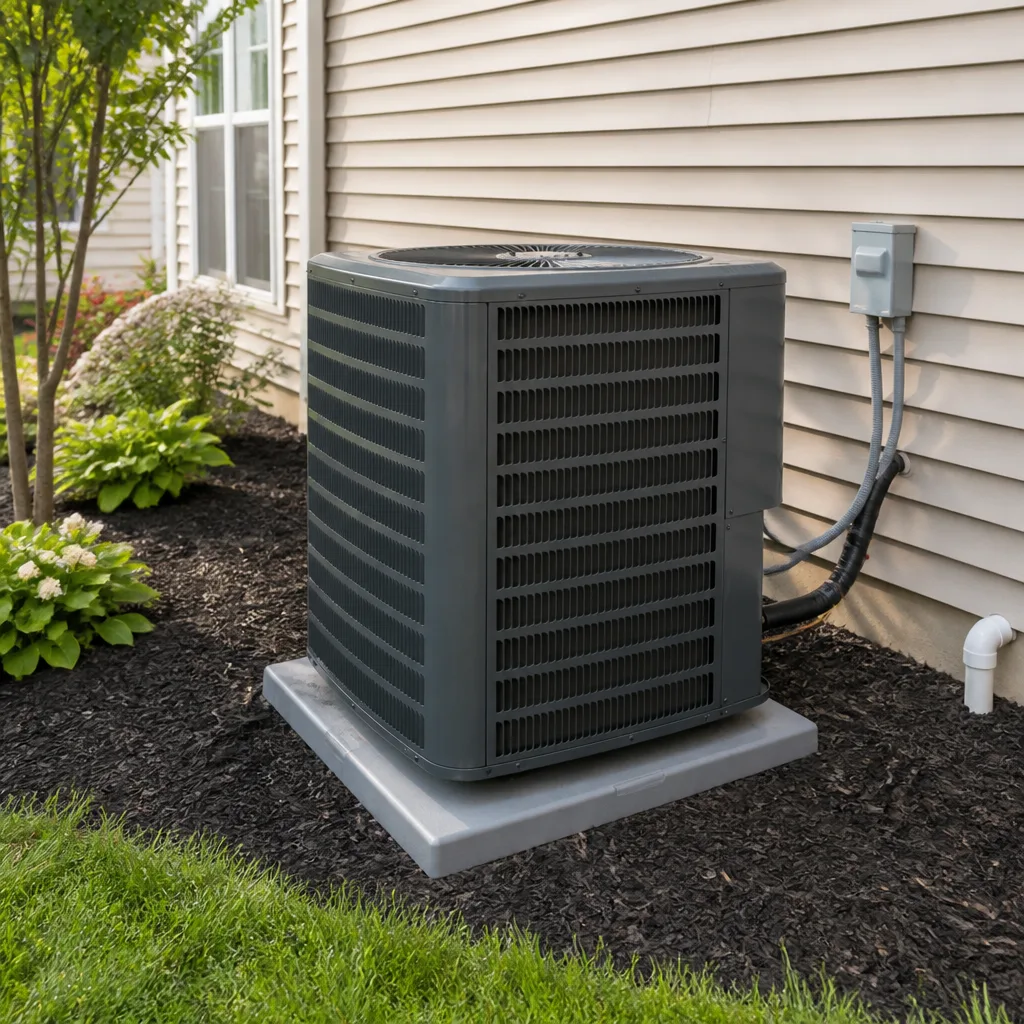 Goodman
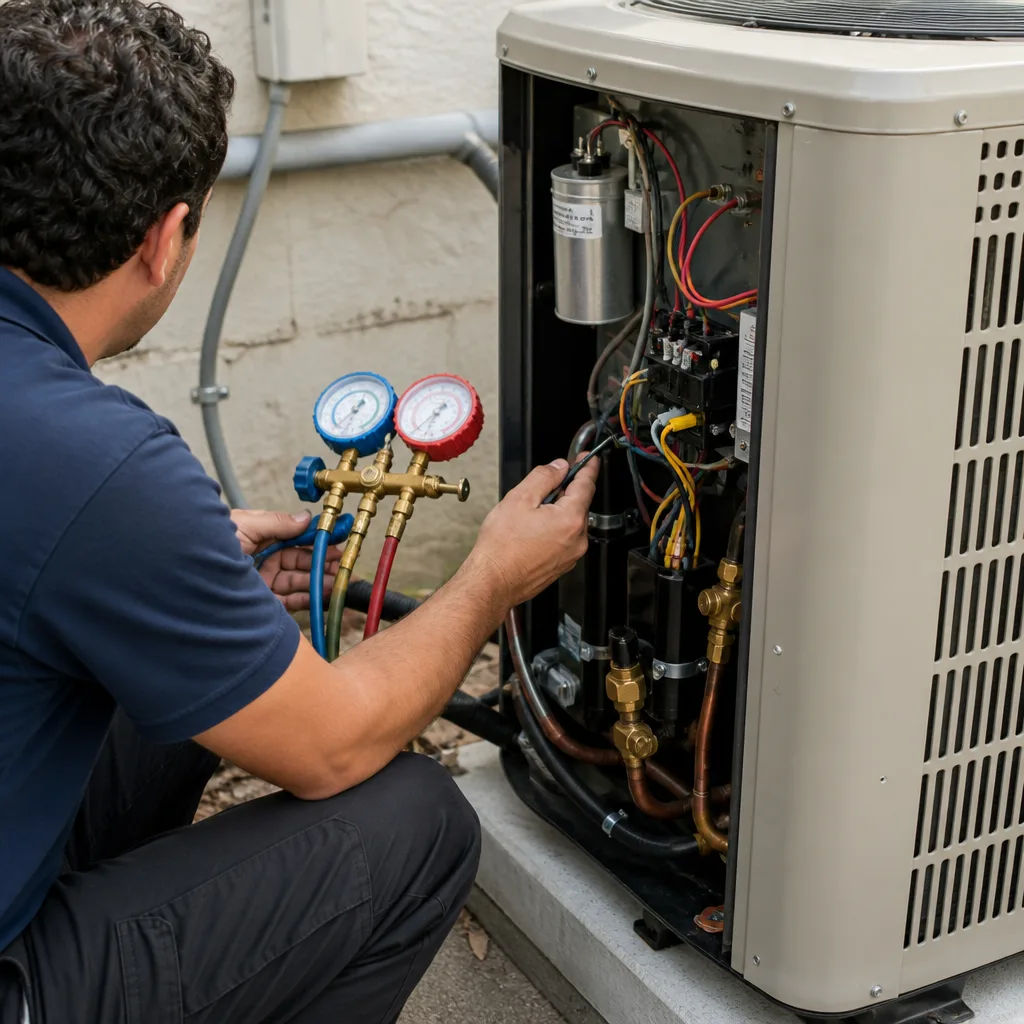
Seasonal tune-up and full diagnostic on your Carrier, Trane, or Goodman system - readings shown to you before any repair is proposed
Diagnosis first, numbers second - you approve the repair price before a single part goes in.
Get your free estimateHow to Hire a HVAC Contractor in Fort Lauderdale: A Step-by-Step Guide
Florida’s contractor licensing database at myfloridalicense.com will show you whether an HVAC contractor in Fort Lauderdale is legal to work in your home in under sixty seconds. It’s the fastest check you can make, and most homeowners never do it. In a recent Broward County consumer complaint review, unlicensed HVAC work was the single most common trade complaint filed. This guide walks you through the exact steps to vet a contractor before they touch your equipment, with a focus on the one thing that causes the most disputes after the fact: getting a written, itemized price before any work starts.
Quick Answer
To hire a HVAC contractor in Fort Lauderdale, verify their Florida state license (certified air conditioning contractor, classification CAC) on myfloridalicense.com, confirm they will pull the required Broward County permit for system changes, and require a written price with parts, labor, and warranty spelled out before any work begins. Skip any contractor who gives only verbal pricing or won’t show you a license number in writing.
Styles & brands we work with
Table of Contents
- Step 1: Check the Florida HVAC License Before Anything Else
- Step 2: Ask Whether They Pull the Broward County Permit
- Step 3: Demand a Written Price, Not an Estimate
- Step 4: Look for Model Numbers on Any Equipment Quote
- Step 5: Three Questions That Reveal Contractors Worth Avoiding
- Step 6: Fort Lauderdale-Specific Red Flags
- Step 7: Read the Warranty and Guarantee Language
Step 1: Check the Florida HVAC License Before Anything Else
Florida law requires anyone performing HVAC work for money to hold a state contractor license issued by the Florida Department of Business and Professional Regulation. For air conditioning and heating work, the classification to look for is CAC, which stands for Certified Air Conditioning Contractor. This is a statewide license that goes beyond a simple business tax receipt or a local occupational license. A CAC holder has passed state examinations, carries insurance, and is accountable to the state’s complaint process.
The check takes less than a minute. Go to myfloridalicense.com, type in the contractor’s name or license number, and read the result page carefully. Check that the license is active, not expired, suspended, or revoked. The result page will list the license classification, its issue date, expiration date, and any disciplinary history. If the license number the contractor gives you does not appear in the database, stop right there. You do not have to be in a hurry to let someone into your HVAC system.
In Fort Lauderdale, you’ll encounter two common situations that should raise your guard. The first is a contractor who says they work under someone else’s license. That means the person doing the work is not the person held accountable by the state. The second is a contractor who tells you the license is in the truck, or that they forgot the number, or that you don’t really need to check. A licensed contractor knows their number by heart. They’ll write it on the quote. At Dalton Heating & Air Fort Lauderdale, the license number is on every written price, because the job starts with paperwork, not with promises. We’re a Garrison Partners company, and The Garrison Code includes showing up with proof of licensing, not asking you to take our word for it.
What to remember from the myfloridalicense.com result page:
- License classification: You want CAC. Anything else, like a business tax receipt or a handyman listing, is not a state HVAC license.
- License status: Active, not expired, not suspended, not probationary.
- Complaint history: The page will show complaints filed and how they were resolved. A few old, resolved complaints are ordinary. A pattern of unresolved ones is not.
- Name match: The person you’re hiring should be the person named on the license, not a friend of a friend of the licensee.
Step 2: Ask Whether They Pull the Broward County Permit
Some HVAC work in Fort Lauderdale requires a permit from Broward County or the city. System replacements, new installations, and anything that involves changes to ductwork or electrical or gas connections generally require a permit. For a deeper look at what’s required, see our guide to HVAC Permits, Codes & Inspections in FL: What You Need to Know. Repairs, like swapping a capacitor or a contactor, usually do not. The requirement is not optional, and a contractor who tells you permits are only for commercial buildings is misinforming you.
The permit matters more than you might think. It creates a paper trail that proves the work was done to code, and it triggers an inspection by a county or city official who independently checks the job. If something goes wrong later, the permit record also helps with insurance claims and when you sell the house. Work done without a required permit can become a headache at sale time because the unpermitted work has to be disclosed.
Three questions to ask before accepting any quote, and the honest answers sound like this:
- “Will this job require a permit, and will you pull it?” A straight answer is yes or no with a reason. An evasive answer means the contractor does not want to deal with the county. That’s a red flag, not a convenience.
- “Is the permit fee included in the written price?” It should be. Some contractors quote a price, then add the permit fee as a surprise at the door. Legitimate quotes include the permit fee as a line item.
- “Can I see the permit number once it’s pulled?” The answer should be yes, and you should be able to look it up. If the contractor mutters something about “doing it quietly” or “saving you money on fees,” walk away.
Fort Lauderdale’s climate pushes HVAC systems hard. High heat and humidity for nine months a year means installations and replacements need to be done right, and the county inspection is the safety net. If your system is struggling, our HVAC Warning Signs: A Fort Lauderdale Homeowner’s Reference Guide can help you spot trouble early. A contractor who wants to skip the permit is not saving you money, they’re offloading risk onto you.
Step 3: Demand a Written Price, Not an Estimate
An estimate is a guess. A quote is a commitment. In Florida, verbal agreements about price are nearly impossible to enforce after the fact, and state law does not automatically protect you from price changes made verbally at the door. The practical difference: an estimate allows a contractor to change the number after the work begins. A written quote puts the number in writing before anyone touches the equipment.
The language on the paper tells you which one you’re getting. An honest written price will say things like “total cost to repair: $285, including all parts and labor.” It will spell out what the repair covers and how long the warranty lasts. Vague language like “estimated cost” or “approximate total” or “pending further evaluation” is a contractor telling you the number can move. Sometimes a diagnosis requires opening the unit before the full scope is visible. That’s true. But the way to handle it is a written price for the diagnosis, then a written price for the repair once the diagnosis is done. Not an open-ended promise.
At Dalton Heating & Air Fort Lauderdale, every job gets a written price before any work starts. Not an estimate. It’s one of the terms of The Garrison Standard that applies on every single job, without exception. The written price includes the cost of parts, the cost of labor, and the duration of the repair guarantee. If the number changes for any reason, we don’t spin up the tools. We put the new number in writing and wait for your signature. That’s the whole point: the homeowner should be able to compare the paper in their hand to the work on the invoice and see the same number.
This is also where many homeowners in Fort Lauderdale get burned. A contractor gives a low verbal number to win the job, then finds “additional issues” once the system is apart. Some of those discoveries are legitimate, but the protection is the same either way: a written change order with a new price, signed before the extra work starts. Anyone who won’t do that is charging you on the fly.
By the way, if you’re facing an urgent breakdown and wondering whether to repair the old system or put that money toward a new one, our AC Repair in Fort Lauderdale page walks through repair cost ranges and when repair makes sense versus replacement.
Step 4: Look for Model Numbers on Any Equipment Quote
A legitimate equipment quote names the model number. Not just the brand. Not just the SEER rating. The actual model number. Here’s why. Brands like Carrier, Trane, and Lennox each build dozens of models at different quality levels, even at the same efficiency rating. A “16 SEER Carrier” could mean a premium, quiet, dual-stage unit with a good parts warranty, or it could mean the builder-grade model that the supply house had on sale. Without the model number, you cannot compare quotes between contractors, and you cannot know what equipment is actually going into your home.
The model number allows you to look up the exact unit’s specifications, its sound rating, its warranty terms, and its real-world reputation. It also prevents the bait-and-switch where the salesperson quotes a premium system and the installers show up with something else. If the quote lists a model number, that model goes on the truck. If it’s a different model on the truck, the quote changes before the work starts.
Here’s what a written quote for equipment should include:
- Full model number: Example format like “Carrier 25SCA4” or “Trane XR14 4TTR4024”. The full alphanumeric model number, not “Carrier 14 SEER unit”.
- Tonnage or BTU rating: The size of the unit, which must match the load calculation for your house, not just the size of the old unit.
- AHRI reference number: The Air Conditioning, Heating, and Refrigeration Institute certifies that an indoor unit, outdoor unit, and coil are a matched system. A written quote can include this number, and you can verify it on ahridirectory.org.
- Warranty terms by component: How long is the compressor warranty, the parts warranty, and is there a labor allowance? Warranty duration often depends on whether the system is registered. A good contractor registers it for you.
If the contractor balks at giving you the model number before you sign, they are not ready to be in your home. We name the model number on every Heat Pump Installation in Fort Lauderdale quote because the equipment in the quote is the equipment on the truck. That’s The Garrison Standard at work.
Step 5: Three Questions That Reveal Contractors Worth Avoiding
You can learn more from three questions than from twenty minutes of sales talk. Here are the questions and the answers that should make you feel comfortable, versus the answers that should end the conversation.
- “Will you put the total price in writing before the work starts?” The wrong answer is hesitation, or “well, it depends,” or “we’ll see what we find.” The right answer is “yes, that’s the only way we work.” At Dalton Heating & Air Fort Lauderdale, the phrase is in writing before any work starts, on every job, without exception.
- “What happens if the repair fails in the first two months?” The wrong answer is “call the manufacturer” or “we’ll take a look at it.” The right answer is “we come back at no charge.” Our written guarantee on every repair is for a full year. It’s called the 365-Day Done Right Promise. If the work does not hold, we return at no charge. Not for the part, not for a diagnostic fee. For the whole repair.
- “Who is coming to my house?” Every Dalton technician is background-checked and uniformed, and you know who is coming before they arrive. The wrong answer is “we’ll send a guy out.” A contractor who can’t tell you who is coming can’t stand behind who is doing the work.
Those three questions will eliminate the worst contractors in any city. The honest ones answer them instantly. The others fumble.
Step 6: Fort Lauderdale-Specific Red Flags
Fort Lauderdale’s HVAC market has a few patterns that are more common here than elsewhere. Knowing them will save you from a bad hire.
- Door-to-door solicitation after storms. After a hurricane or a strong thunderstorm, contractors show up at your door offering “free inspections” or “storm damage assessments.” Some are legitimate, but many are not. The scam works like this: they “find” damage, collect a deposit, and never return, or they do work you didn’t need. Never sign anything at the door. Take the company name and license number, then check myfloridalicense.com before any appointment.
- Unusually low tune-up prices. A $29 or $49 tune-up is a classic loss leader. The tune-up isn’t the product. The product is the list of “urgent repairs” the technician finds during the tune-up. Some of those repairs are real, and some are invented. If a tune-up price seems too low, the company has to make money somewhere.
- Verbal-only warranties. If the warranty on a repair is not written down, it doesn’t exist. In Fort Lauderdale’s humidity, parts fail faster than in drier climates. A capacitor that lasts five years in Phoenix might last three here. A written warranty tells you exactly what the contractor will do when the part fails. Verbal warranties evaporate.
- Pressure to replace rather than repair. Some contractors push replacement on systems that have years of life left. Fort Lauderdale’s heat makes replacement appealing, but a competent contractor will give you an honest repair cost and let you decide. The decision belongs to the homeowner, not to the sales quota.
Dalton Heating & Air Fort Lauderdale is a Dalton Heating & Air Fort Lauderdale home service company that has operated under The Garrison Standard since 2003. The Standard exists because homeowners have been burned by exactly these practices, and the answer is written paperwork and accountability, not a friendly handshake.
Step 7: Read the Warranty and Guarantee Language
The difference between a good contractor and a great one is in the warranty language. Most contractors offer a 30-day warranty, maybe 90 days. Look at what each one actually covers. Some warranties cover parts only, so you still pay labor when the part fails. Some cover nothing but the specific component replaced, so a related failure means a new invoice. And some warranties are “pro-rated,” which means the value shrinks over time.
A strong repair guarantee covers these things, in writing:
- Parts and labor for the full warranty period. Not parts only. If the repair fails, you should not pay for the technician’s time.
- The full duration of the warranty. The Dalton written guarantee on every repair runs a full year. That’s 365 days, not 30. If the repair fails in that window, we return at no charge.
- What “failure” means. If the same symptom returns, the warranty applies. If a different part fails, that’s a new repair. The scope should be clear.
- Who does the return visit. The same company that did the original work. If you move or the company disappears, a written warranty from a stable, Garrison Partners company is worth more than one from a guy with a magnetic sign on his truck.
We also service all nine major residential HVAC brands: Carrier, Trane, Lennox, Goodman, Rheem, York, Daikin, Bryant, and American Standard. If the system fails and the original installer is gone, the manufacturer’s parts warranty only covers the part, not the labor to install it. That’s when a relationship with a contractor who stands behind their own work, and is factory-trained on your specific brand, pays off.
Common Mistakes to Avoid
- Hiring without checking the license. The myfloridalicense.com search takes less than a minute, and it reveals whether the contractor is legally allowed to work on your system. Skipping it is like hiring a driver without checking they have a license.
- Accepting a verbal price as final. A verbal price is not enforceable and has no paper trail. In Florida, the only price that matters is the one written down before the work starts.
- Choosing the lowest bid without comparing line items. The lowest bid is often the contractor who plans to skip the permit, use the cheapest equipment, or pad the job with change orders later. Compare line items, not just the final number.
- Not asking about the model number on new equipment. The brand name is marketing. The model number is the equipment. Without it, you cannot compare quotes.
- Signing a work order at the door during a storm. Post-storm solicitors are a known pattern in Broward County. Take the information, check the license, and decide the next day.
- Assuming the manufacturer’s warranty covers labor. Most manufacturer warranties cover parts only. You pay labor unless the installing contractor provides their own labor guarantee. Read both warranties.
- Not asking about permits. A contractor who plans to do unpermitted work is planning to skip the inspection that protects you. Fort Lauderdale requires permits for system replacements. Confirm it in writing.
See the difference
 Before
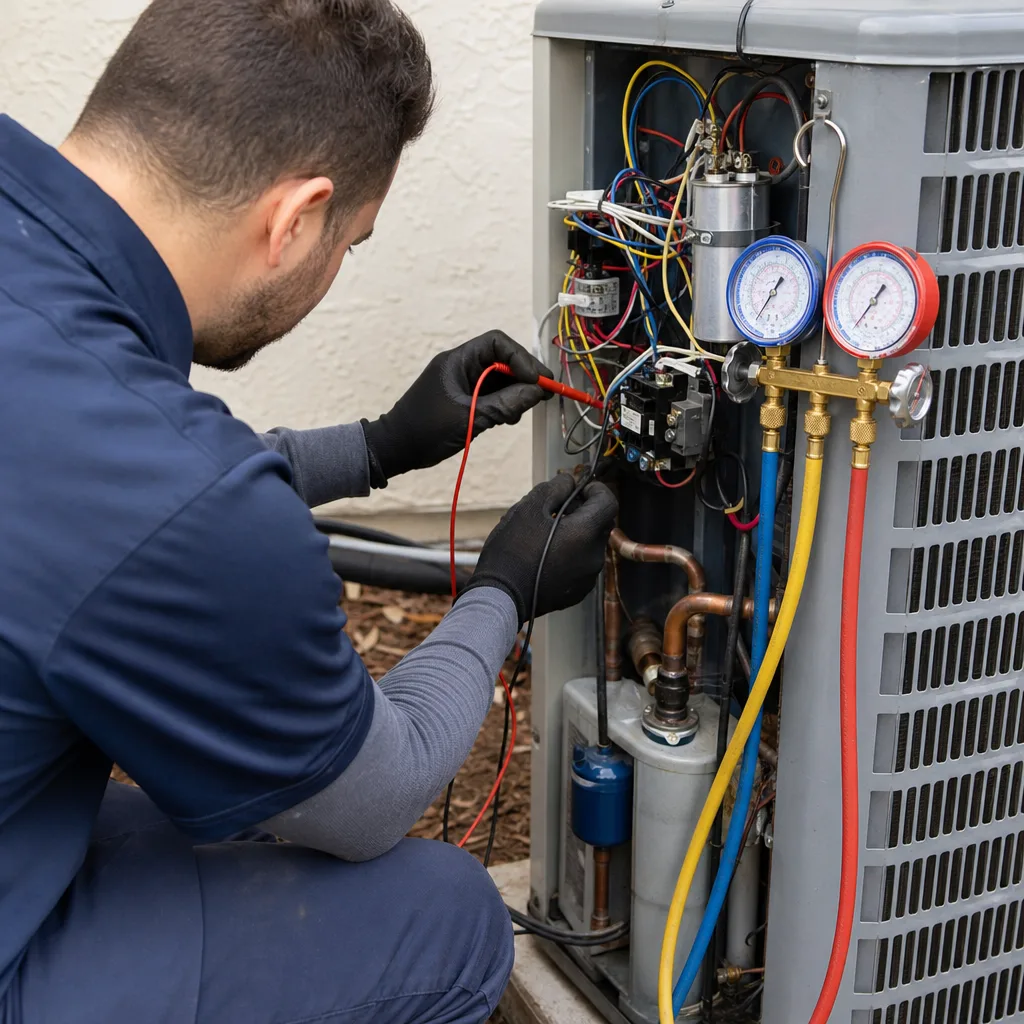 After
After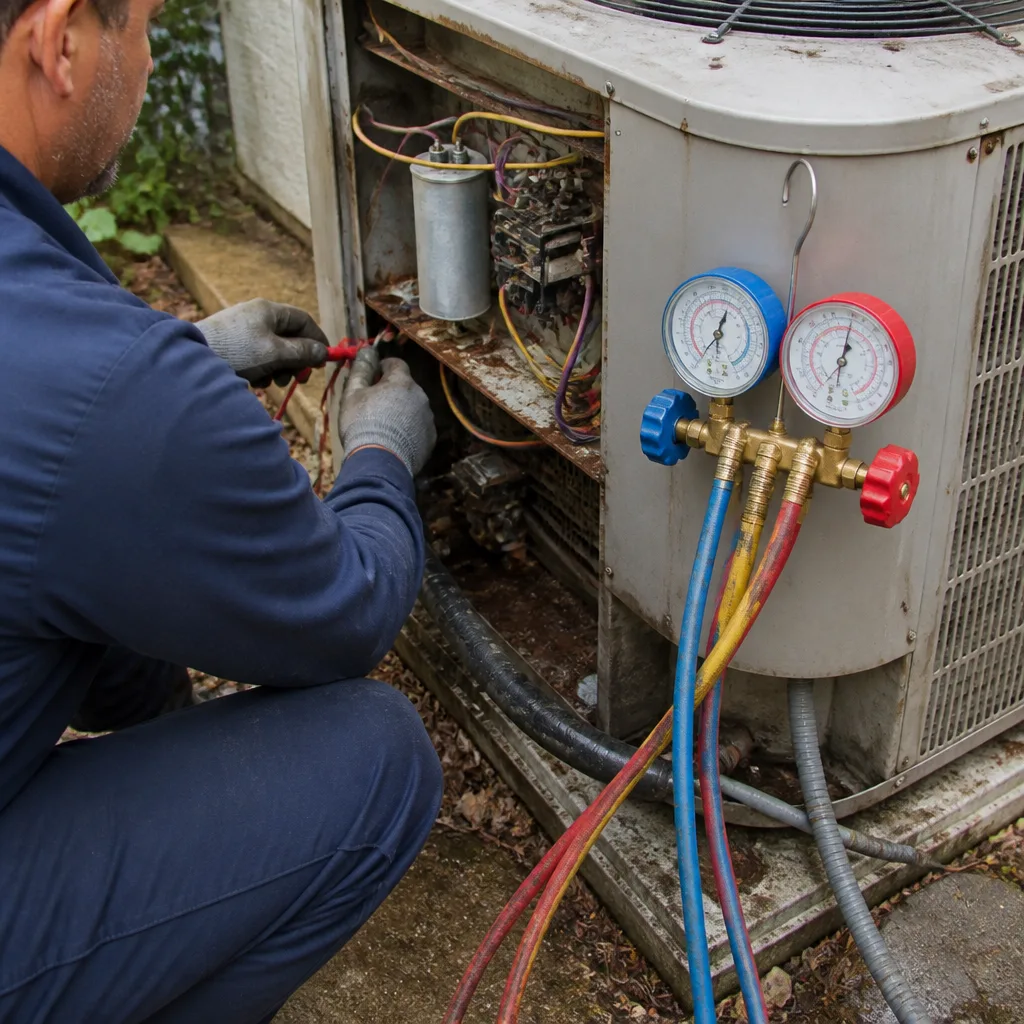 Before
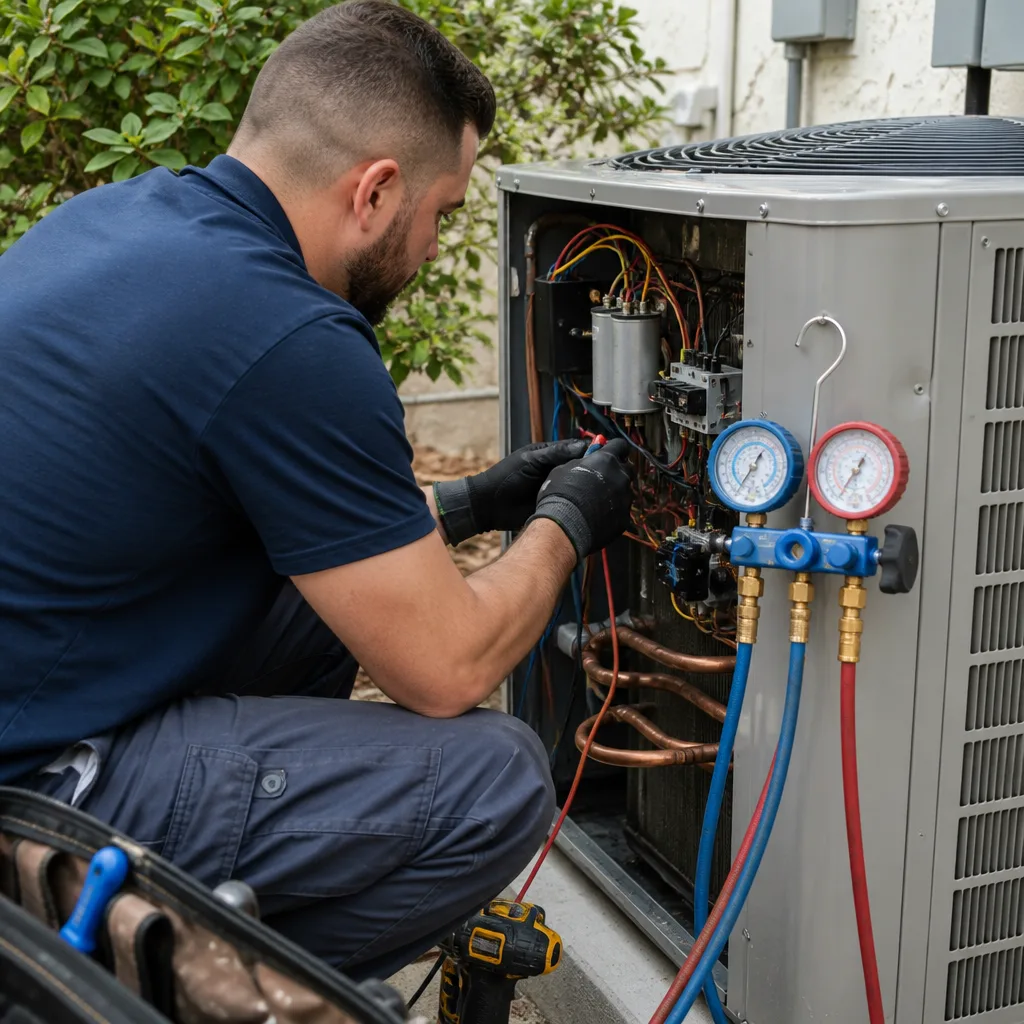 After
After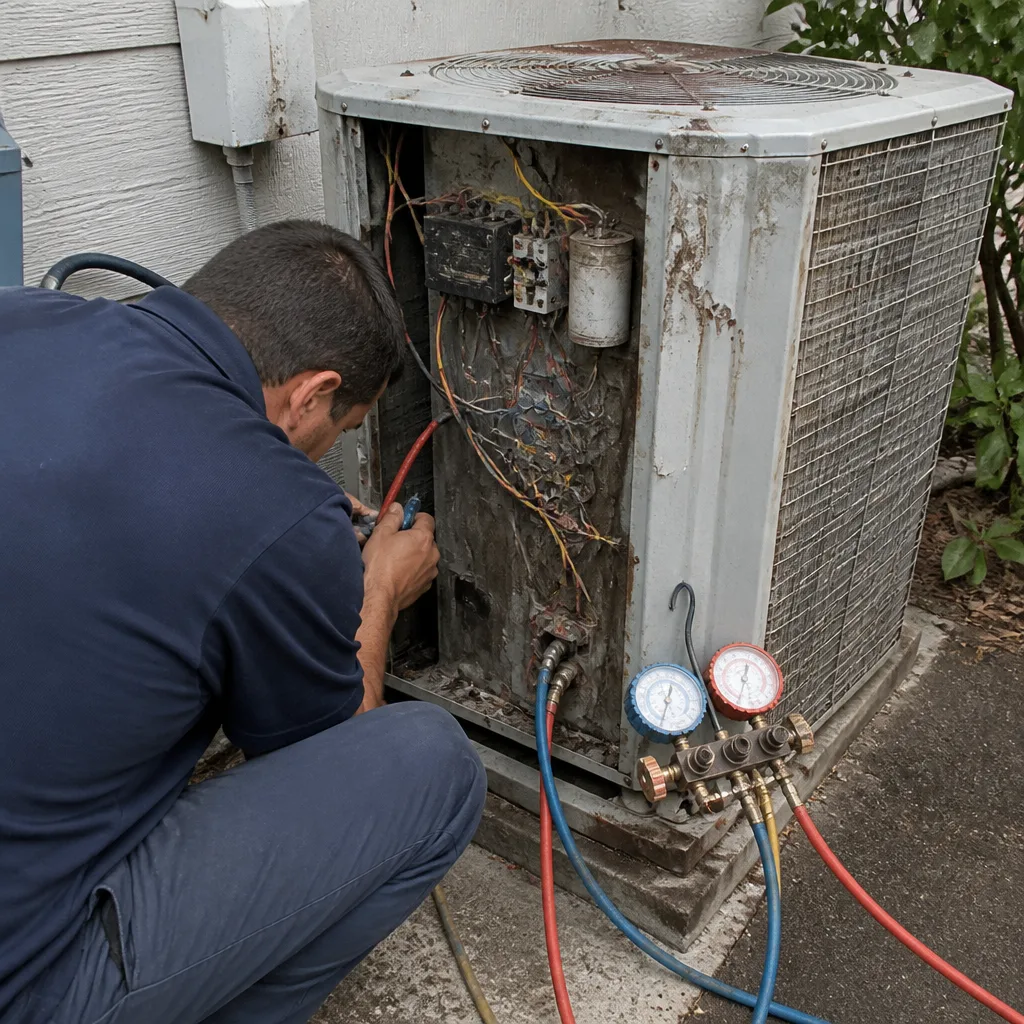 Before
 After
AfterWhen to Call a Professional
Some HVAC situations are not do-it-yourself territory. If your air conditioner is blowing warm air in the middle of a South Florida summer, the issue could be low refrigerant, which usually means a leak that only a licensed technician can locate and fix. Before you call, it helps to understand typical costs-see our HVAC Cost Breakdown: The Fort Lauderdale Homeowner’s Reference for 2026. If the furnace is short-cycling in the winter months, it could be a failing heat exchanger, which is a carbon monoxide risk. If the system is making grinding or hissing noises, the cause could be a compressor or a refrigerant line problem that requires special tools and certifications. And any time you’re dealing with electrical components inside the air handler or the condenser, the safety risk alone is reason to call someone who does this every day. Dalton Heating & Air Fort Lauderdale offers free estimates in Fort Lauderdale, and you can call (754) 354-6972 to schedule one.
Frequently Asked Questions
Go to myfloridalicense.com and search by the contractor’s name or license number. For HVAC work, look for the classification CAC (Certified Air Conditioning Contractor). Check that the license is active, not expired or suspended, and review any complaint history shown on the page.
System replacements, new installations, and modifications to ductwork, electrical, or gas connections generally require a permit from Broward County or the City of Fort Lauderdale. Repairs that involve only component swaps, like capacitors or contactors, typically do not. Your contractor should confirm in writing whether a permit is required for your specific job.
A written quote should include the total price for parts and labor, the model number of any equipment being installed, the permit fee if applicable, and the duration and terms of the repair or installation warranty. Anything less is an estimate that can change legally after the work begins.
CAC stands for Certified Air Conditioning Contractor. It’s the Florida state classification for contractors who are tested and licensed to perform HVAC work. In contrast, a Class A or Class B air conditioning contractor designation means the license is limited by geography or system size. CAC is the broadest classification for residential work.
Many contractors offer 30 to 90 days. A repair warranty of a full year, covering both parts and labor, is a stronger protection. The Dalton 365-Day Done Right Promise covers every repair for a full year, and if the work fails in that window, the return visit is free.
The model number identifies the exact equipment, not just the brand or the SEER rating. Brands like Carrier and Trane build many models at the same efficiency level with different quality levels, sound ratings, and warranty terms. Without the model number, two contractors can quote “16 SEER Carrier” and be quoting completely different units.
The Bottom Line
Hiring an HVAC contractor in Fort Lauderdale comes down to three things: verifying the state license, requiring a written price before anyone touches the equipment, and reading the warranty language until you understand exactly what is covered and for how long. For more guides & resources on keeping your system running right, visit our blog. The license check is fast and free. The written price is non-negotiable. The warranty tells you what the contractor actually stands behind. Dalton Heating & Air Fort Lauderdale is a Garrison Partners company that has operated under The Garrison Standard since 2003, with written pricing, a full-year written guarantee on every repair, and a live person answering the phone 24/7. If you need a hand with a repair, a new system, or a second opinion, call (754) 354-6972 for a free estimate.
Written by Marco Benitez, Owner at Dalton Heating & Air Fort Lauderdale, serving Fort Lauderdale since 2003.