
Last updated October 16, 2026
 AC repair
 Furnace & heating
 Heat pumps
 Ductless mini splits
 Trane
Trane Goodman
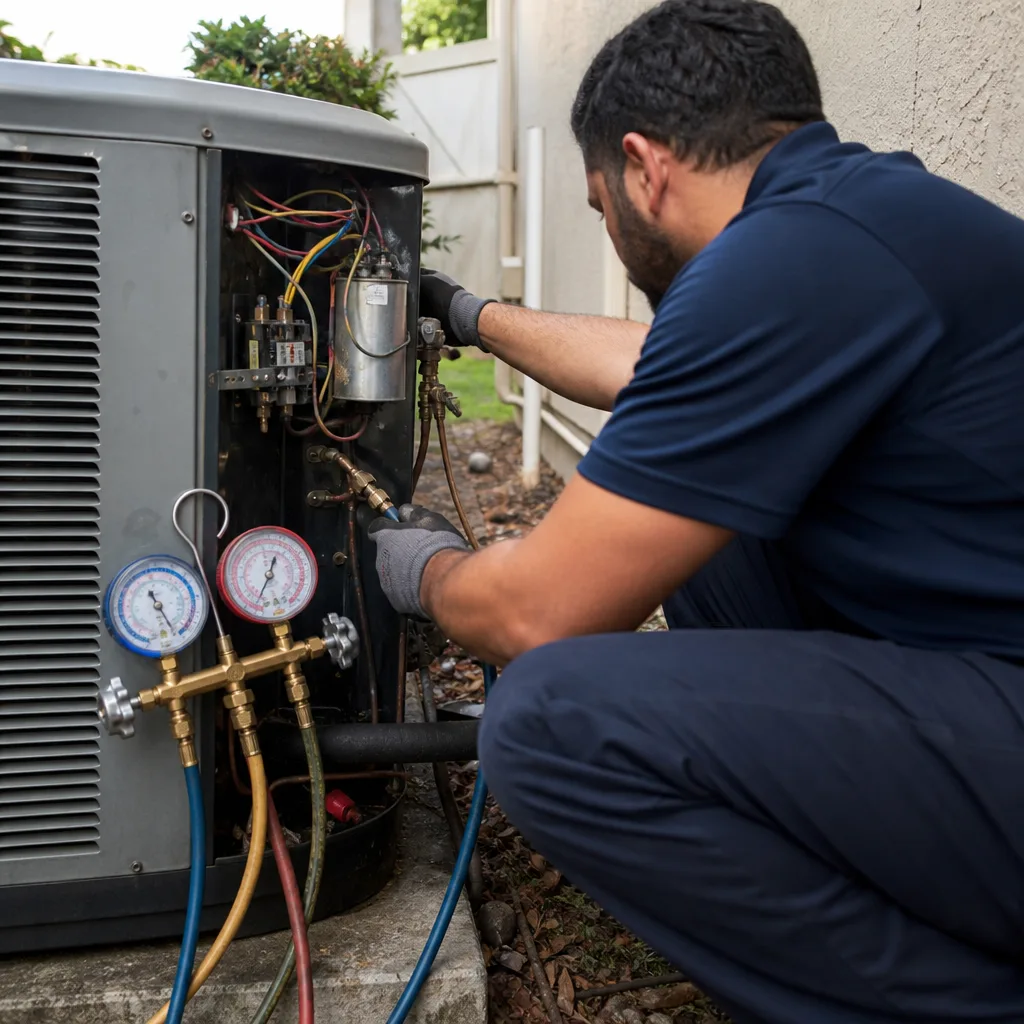
Seasonal tune-up and full diagnostic on your Carrier, Trane, or Goodman system - readings shown to you before any repair is proposed
Diagnosis first, numbers second - you approve the repair price before a single part goes in.
Get your free estimateHVAC Permits, Codes & Inspections in FL: What You Need to Know
A Fort Lauderdale homeowner sold their house in 2023, only to have the closing delayed 19 days because an AC replacement done two years earlier had no permit on record. The original contractor was gone. The homeowner paid $2,400 to resolve it. Florida Statute 489 made it their problem, not the contractor’s. This guide explains exactly when Broward County requires an HVAC permit, what inspectors check during rough-in and final, and how to verify your contractor pulled the right paperwork before you sign anything. For related reading, see our HVAC Warning Signs: A Fort Lauderdale Homeowner’s Reference Guide. If you own a home in Fort Lauderdale, this is the knowledge that keeps a permit problem from becoming your problem.
Quick Answer
In Broward County, any HVAC work that involves replacing equipment, moving equipment, or modifying ductwork requires a mechanical permit. Like-for-like coil swaps usually require one. Refrigerant recharge only does not. Before buying a home in Fort Lauderdale, check the Broward County ePlans portal for open or missing permits on any HVAC work done after 2000 – unpermitted work follows the property, not the contractor who did it.
Styles & brands we work with
Table of Contents
- When a Broward County HVAC Permit Is Required
- How to Look Up Permits on the Broward County ePlans Portal
- What Florida Building Code Section 1305 Actually Requires
- The Inspection Sequence: Rough-In and Final
- What Happens When an Unlicensed Contractor Pulls Your Permit
- What an HVAC Permit Costs in Broward County
- Homeowners Associations and Permit Compliance
- Common Mistakes to Avoid
When a Broward County HVAC Permit Is Required
Broward County enforces the Florida Building Code through its Building Code Services Division. The rule is straightforward: if the work changes the mechanical system’s configuration, capacity, or location, it needs a permit. If it restores the system to its original operating condition, it doesn’t. What trips up most Fort Lauderdale homeowners is that the trigger is not whether you’re “installing something new.” It’s whether the work touches the system’s fixed infrastructure.
Here’s the breakdown by job type:
- Full system replacement (condenser and air handler): Always requires a permit. No exceptions. This applies to AC replacement in Fort Lauderdale, whether you’re swapping a 2-ton for a 3-ton or same-size for same-size. The county wants to verify the new equipment is installed to current code, refrigerant lines are properly sized, and the disconnect and electrical circuit match the new unit’s load.
- Like-for-like coil swap: Usually requires a permit. If a coil fails under warranty and the replacement coil has a different model number, Broward County treats it as an alteration. Some municipalities inside the county, including Fort Lauderdale’s Building Services division, require the permit because the coil is part of the fixed refrigerant circuit.
- Compressor replacement (same unit, same cabinet): No permit required in most cases. The compressor is a component repair, not a system alteration. The unit’s cabinet, electrical connection, and refrigerant circuit remain unchanged.
- Refrigerant recharge only: No permit. Topping off refrigerant is maintenance, not an alteration. If a leak repair requires opening the refrigerant circuit, the repair itself still does not trigger a permit unless a component like the evaporator coil or condenser is being replaced.
- Ductwork modification or replacement: Permit required. This includes adding a return, relocating supply runs, or replacing more than 10 linear feet of existing duct. Broward County inspects duct work for proper sealing, insulation R-value, and sizing against the equipment’s CFM.
- Thermostat swap or electrical control replacement: No permit if it’s a like-for-like replacement. If you’re upgrading from a basic thermostat to a communicating system that requires new wiring, the electrical work may fall under a separate electrical permit.
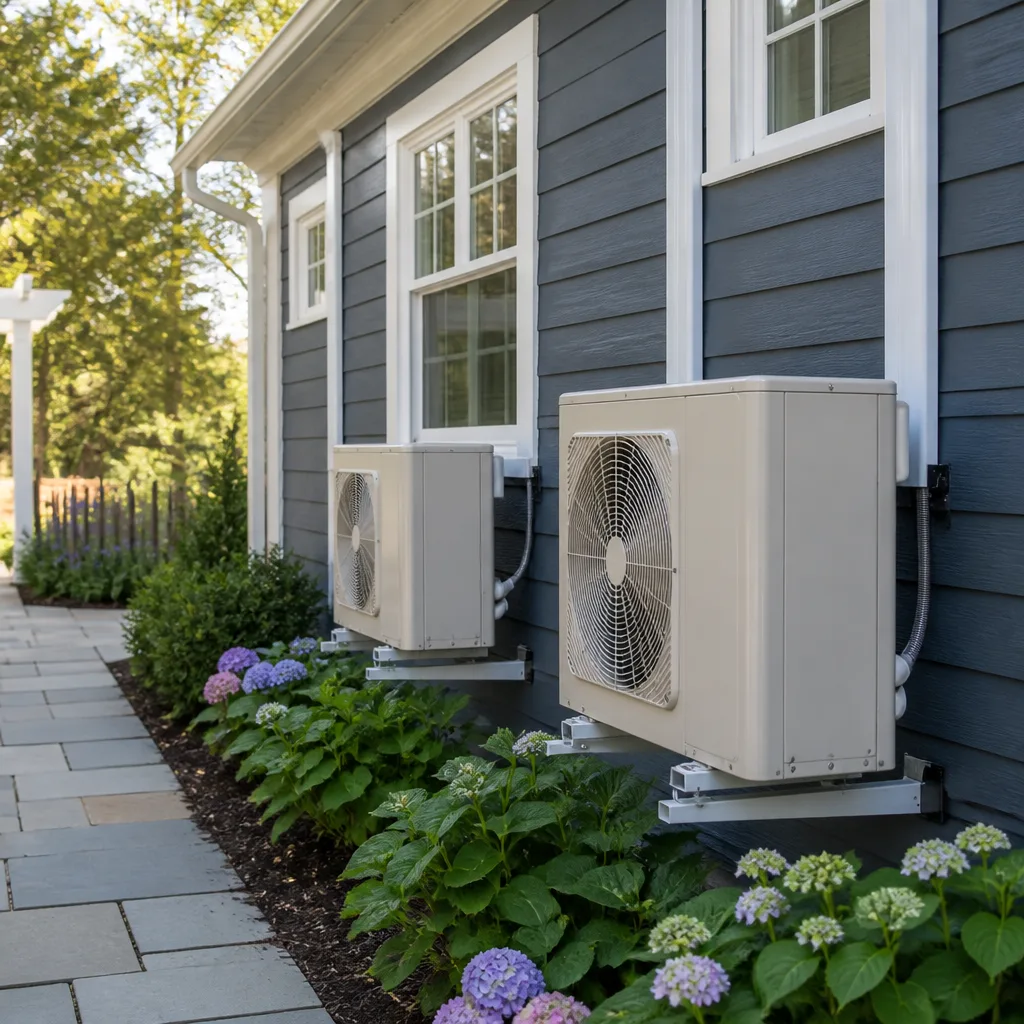
- Mini-split or heat pump installation: Permit required. Heat pump installation in Fort Lauderdale falls under the same mechanical permit requirements as a conventional split system. The county checks the outdoor unit’s placement for clearance, the line-set routing, and the condensate drain termination.
The threshold that triggers a permit in Broward County is any alteration to the building’s mechanical systems that requires disconnecting or reconnecting fixed electrical, refrigerant, or ducted connections. If a contractor tells you the job doesn’t need a permit, ask them to show you the exemption in writing.
In our experience across Fort Lauderdale neighborhoods – from Victoria Park to Rio Vista to Coral Ridge – the most common unpermitted HVAC jobs we encounter are full replacements done by one-truck operations that quoted a lower number by skipping the permit fee and inspection. The initial savings usually run $150 to $400. The liability can run into thousands when the home is sold or an insurance claim is filed.
How to Look Up Permits on the Broward County ePlans Portal
Broward County maintains a public portal called ePlans where anyone can search permit records by address, property folio number, or permit number. Before you buy a home in Fort Lauderdale – or before you sell one – pull the permit history and check it against the work you know was done.
Here’s the step-by-step process:
- Go to the Broward County Building Code Services Division website and open the ePlans portal. Look for “Public Search” or “Permit Search.” You don’t need an account for basic searches.
- Enter the property’s address or folio number. The folio number is on your property tax bill and is more reliable than the address, especially for Fort Lauderdale homes with unit designations or historical street name changes.
- Filter by permit type. Select “Mechanical” to see only HVAC permits. You’ll see a list of permit numbers, issue dates, contractor names, and status (issued, inspections passed, closed, or open).
- Open each mechanical permit and check the status. A permit is “closed” only when all inspections are finaled. An “open” permit means work was started but never passed final inspection. In Broward County, an open permit is a cloud on the property title.
- Cross-check the permit against the equipment. If the permit says “replace 3-ton split system” but the house has a 4-ton unit, someone did work that isn’t reflected in the records. That’s a red flag.
If you find unpermitted HVAC work on a home you’re buying, the seller is legally obligated to disclose it if they knew about it. If they didn’t know, it becomes a negotiating point. In the Fort Lauderdale market as of 2025, buyers are routinely asking for permit histories as part of their due diligence, and title companies are flagging open mechanical permits before closing.
Marco Benitez tells homeowners the same thing every week: checking the permit portal takes 15 minutes and costs nothing. Not checking it can cost you a closing date.
What Florida Building Code Section 1305 Actually Requires
Florida Building Code Section 1305 governs mechanical systems, including air conditioning, heating, and ventilation. The code is not a suggestion. It’s the law, and Broward County inspectors enforce it on every permitted HVAC job. Here’s what Section 1305 means for your home in plain terms.
System sizing (Manual J): The code requires the installing contractor to perform a load calculation – called a Manual J – before selecting equipment. The calculation accounts for square footage, window area and orientation, insulation levels, and Fort Lauderdale’s specific climate data. Oversizing an AC unit is a code issue because an oversized unit short-cycles, raises indoor humidity, and fails to dehumidify. In Fort Lauderdale’s tropical climate, proper sizing is what keeps a home at 50% relative humidity. A contractor who says “bigger is better” is wrong, and the code backs that up.
Duct work standards: Section 1305 requires duct sealing to specific leakage standards (typically no more than 4% leakage on new systems) and minimum insulation values. In South Florida attics, the code requires R-8 duct insulation. Older homes in Fort Lauderdale neighborhoods like Wilton Manors and Oakland Park frequently have R-4 or even uninsulated duct work, which means a permitted replacement often requires upgrading the duct work as part of the job.
Condensate drainage: The code requires primary and secondary condensate drain lines with proper slope, a clean-out access point, and a secondary drain that terminates in a visible location. This is not bureaucratic trivia. In Fort Lauderdale, an improperly terminated condensate line inside a wall cavity leads to mold, and mold leads to insurance claims.
Electrical disconnect: Section 1305 cross-references the National Electrical Code. Every HVAC system must have a service disconnect within sight of the unit, properly sized breakers, and a dedicated circuit. Inspectors in Broward County check the disconnect throw distance and the breaker amp rating against the equipment nameplate.
Refrigerant line requirements: The code limits the length and rise of refrigerant line sets, requires proper brazing with nitrogen purge, and mandates a pressure test and vacuum evacuation before charging. A permitted job means the inspector verifies these steps. An unpermitted job means nobody checks.
At Dalton Heating & Air Fort Lauderdale, every installation tech carries a printed copy of the relevant Section 1305 tables to the job site. It’s part of The Garrison Standard – do the job by the book, and the book is the Florida Building Code.
The Inspection Sequence: Rough-In and Final
A permitted HVAC job in Broward County follows a two-stage inspection process. Both stages must pass before the permit is closed. Understanding what the inspector checks at each stage tells you whether your contractor is doing the job in a way that will pass.
Stage 1: Rough-In Inspection
The rough-in happens after the equipment is set and the duct work and line sets are installed, but before walls are closed up or the system is fully charged. The inspector checks:
- Equipment location and clearances – is the outdoor unit at least 12 inches off the ground and clear of obstructions on all sides?
- Duct work installation – are the ducts properly supported, sealed with mastic (not just tape), and insulated to R-8 in attic spaces?
- Line set routing – are the refrigerant lines properly sized, supported every 4 feet, and protected where they pass through the wall?
- Electrical rough-in – is the disconnect installed within sight of the unit? Is the circuit properly sized and the wiring in conduit where required?
- Condensate lines – are the primary and secondary drains sloped correctly with a visible termination point?
Stage 2: Final Inspection
After the system is charged, started, and tested, the inspector returns for the final. They verify:
- System operation – does the unit start, run, and produce the correct temperature split? In Broward County, inspectors typically look for a 15-20 degree temperature difference between supply and return air.
- Refrigerant charge – the inspector may check the subcooling or superheat values against the manufacturer’s chart.
- Electrical final – is the panel properly labeled, the disconnect operational, and the breaker the right amperage?
- Duct sealing – are all joints sealed, plenums insulated, and take-offs properly connected?
- Documentation – does the contractor’s paperwork match the equipment installed and the permit details?
The sequence runs about 3 to 7 business days in Fort Lauderdale between rough-in and final, depending on inspector availability. A contractor who says the inspection will happen “whenever” or asks you to pay in full before the final passes is not running a permitted job properly.
What Happens When an Unlicensed Contractor Pulls Your Permit
Florida Statute 489 makes it a first-degree misdemeanor for an unlicensed person to perform HVAC work that requires a permit. It also creates a situation most homeowners don’t understand: the permit, once issued, is yours. If the contractor who pulled it walks off the job or disappears, the county still holds the open permit against the property.
Here’s the scenario we’ve seen repeat across Fort Lauderdale and the broader Broward County market:
A homeowner hires a friend-of-a-friend who says he “has a guy” who can pull the permit. The permit gets issued under a licensed contractor’s number – sometimes without the contractor’s knowledge. The work gets done. The inspection never gets called. Three years later, the homeowner tries to sell. The title search finds an open mechanical permit. The licensed contractor whose number was used is either retired, unresponsive, or denies any involvement. The homeowner pays a new contractor to fix code issues, call the inspection, and close the permit. The cost: $1,500 to $5,000 depending on what the inspector finds.
An unlicensed contractor pulling your permit illegally exposes you to:
- An open permit on your property that blocks sale or refinance until it’s resolved.
- Code violations that you – not the contractor – are legally responsible for correcting.
- Insurance denial if a fire or water damage event traces back to unpermitted, uninspected HVAC work.
- Personal liability under Florida Statute 489 if you knowingly hired an unlicensed contractor. The law places responsibility on the homeowner who “aids and abets” unlicensed contracting.
The simple verification: ask for the contractor’s state license number before signing. Florida HVAC licenses begin with “CAC” (Certified Air Conditioning Contractor) or “CAC” followed by six digits for registered contractors. You can verify the number on the Florida Department of Business and Professional Regulation website in under a minute.
Dalton Heating & Air Fort Lauderdale is a Garrison Partners company operating under The Garrison Standard since 2003. Every job we run in Fort Lauderdale includes the permit paperwork handled properly, the inspections scheduled by our office, and written documentation of every step. The homeowner sees the permit number before we start work.
What an HVAC Permit Costs in Broward County
Broward County mechanical permit fees are based on the job’s valuation. For a typical residential AC replacement in Fort Lauderdale, the permit fee runs between $150 and $350. Here’s a realistic breakdown:
| Job Type | Typical Permit Fee Range | Inspection Fees Included? |
|---|---|---|
| Full system replacement (up to 5 tons) | $200 – $350 | Yes, rough-in and final |
| Coil swap only | $150 – $250 | Yes, final only in most cases |
| Duct work replacement | $180 – $300 | Yes, rough-in and final |
| Mini-split installation | $200 – $320 | Yes, rough-in and final |
The permit fee should appear as a line item on your written quote. If a contractor’s price is suspiciously low compared to competitors, ask whether the permit fee is included. We’ve seen quotes in Fort Lauderdale that excluded the permit to look cheaper, then the contractor asked for the permit fee as a “change order” after the job started. That’s a red flag. Protect yourself with our AC Repair Maintenance Checklist for Fort Lauderdale Homeowners.
At Dalton Heating & Air Fort Lauderdale, the written price you get before work starts includes the permit. No line-item games. No change orders for fees that should have been there from the beginning. That’s what no-hassle upfront pricing means under The Garrison Code.
Homeowners Associations and Permit Compliance
If you live in a Fort Lauderdale neighborhood with an HOA – and many do, from the high-rises on Galt Ocean Mile to gated communities in Plantation – your HOA’s rules may add a layer on top of county permit requirements. Most HOAs require architectural review before any exterior HVAC work: new condenser placement, line set routing on exterior walls, or equipment visible from the street.
The correct sequence is: get HOA approval first, then apply for the county permit. Doing it in reverse can strand you with a county-approved permit the HOA won’t allow, which means redesigning the job and paying for a permit revision.
Common Fort Lauderdale HOA requirements we encounter:
- Condenser must not be visible from the street or must be screened by specific landscaping.
- Condenser placement must be a minimum distance from property lines, which is sometimes more restrictive than county code.
- Line sets on exterior walls must be painted to match the building’s trim color.
- Work hours are restricted – some Fort Lauderdale HOAs prohibit construction noise before 8 AM or after 5 PM on weekdays, and entirely on Sundays.
- The HOA must be notified of the inspection dates so they can verify compliance on their own schedule.
A reputable contractor in Fort Lauderdale will handle HOA paperwork as part of the job. If your contractor tells you the HOA won’t notice or it’s not their problem, that’s the same attitude that leads to unpermitted work. The Garrison Standard includes leaving the site clean and doing the job by the book – and the book includes the HOA’s rulebook when one exists.
Common Mistakes to Avoid
- Assuming the cheapest quote includes everything. In Fort Lauderdale, a quote that’s $400 below market usually means the permit fee, HOA filing, or inspection scheduling was left out. Ask for the line items.
- Not checking the permit portal before buying a home. Fifteen minutes on the Broward County ePlans portal can reveal an open permit that would delay your closing by weeks and cost you thousands.
- Taking a contractor’s word that “this job doesn’t need a permit.” Some jobs genuinely don’t. But the contractor should be able to show you the written exemption under the Florida Building Code. If they can’t, get a second opinion.
- Paying in full before the final inspection passes. A legitimate Broward County contractor schedules the final inspection and only collects the final payment after it passes. If someone wants 100% upfront, walk away.
- Replacing equipment with a different size without a load calculation. It’s a code violation, it creates humidity problems in Fort Lauderdale’s climate, and the inspector will flag it if they catch it.
- Ignoring an open permit letter from the county. Broward County sends notices when permits remain open. Ignoring the notice doesn’t close the permit – it just means the next notice goes to a lien holder or a title company.
- Using a contractor who wants to pull the permit in your name as the owner-builder. Owner-builder permits are legitimate for homeowners doing their own work, but some contractors use them to avoid their own licensing responsibility. If the work fails, the owner-builder designation makes you the general contractor of record. In Fort Lauderdale, that’s a documented liability.
See the difference
 Before
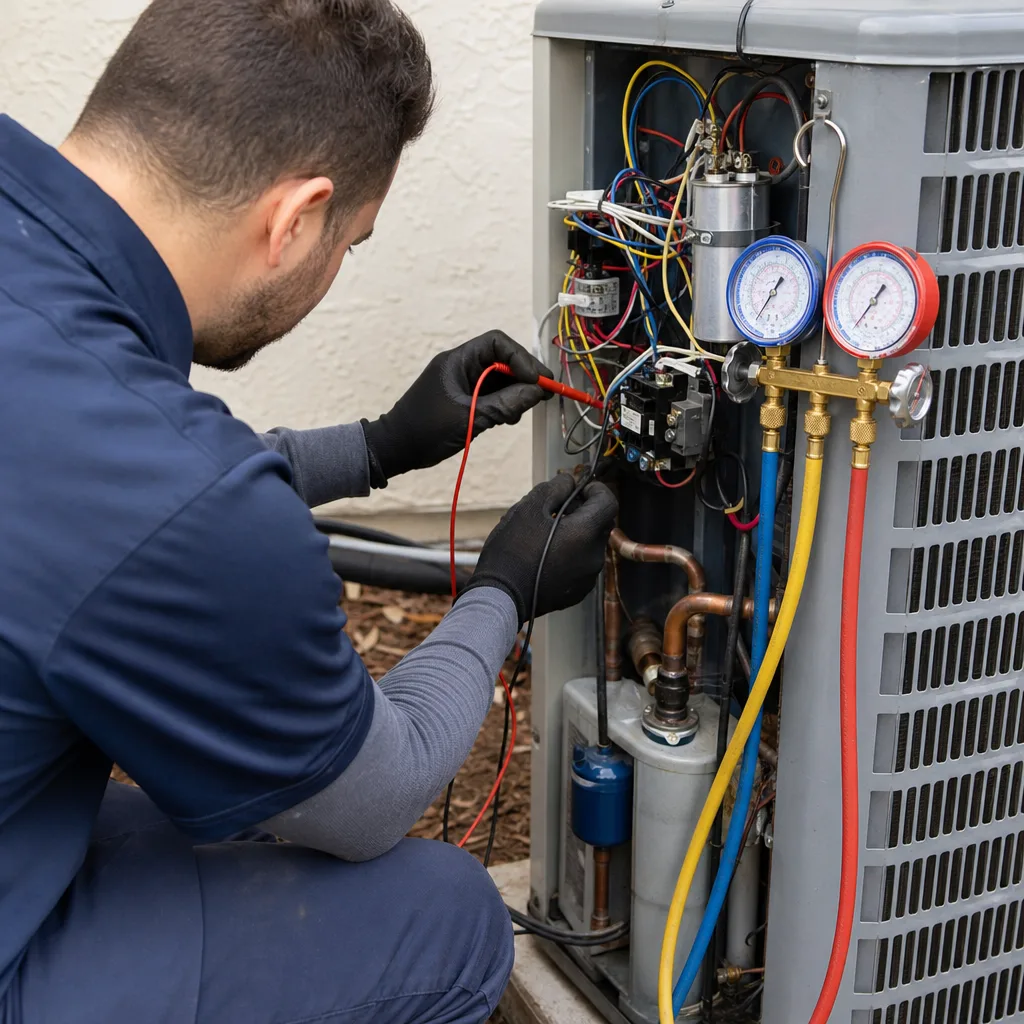 After
After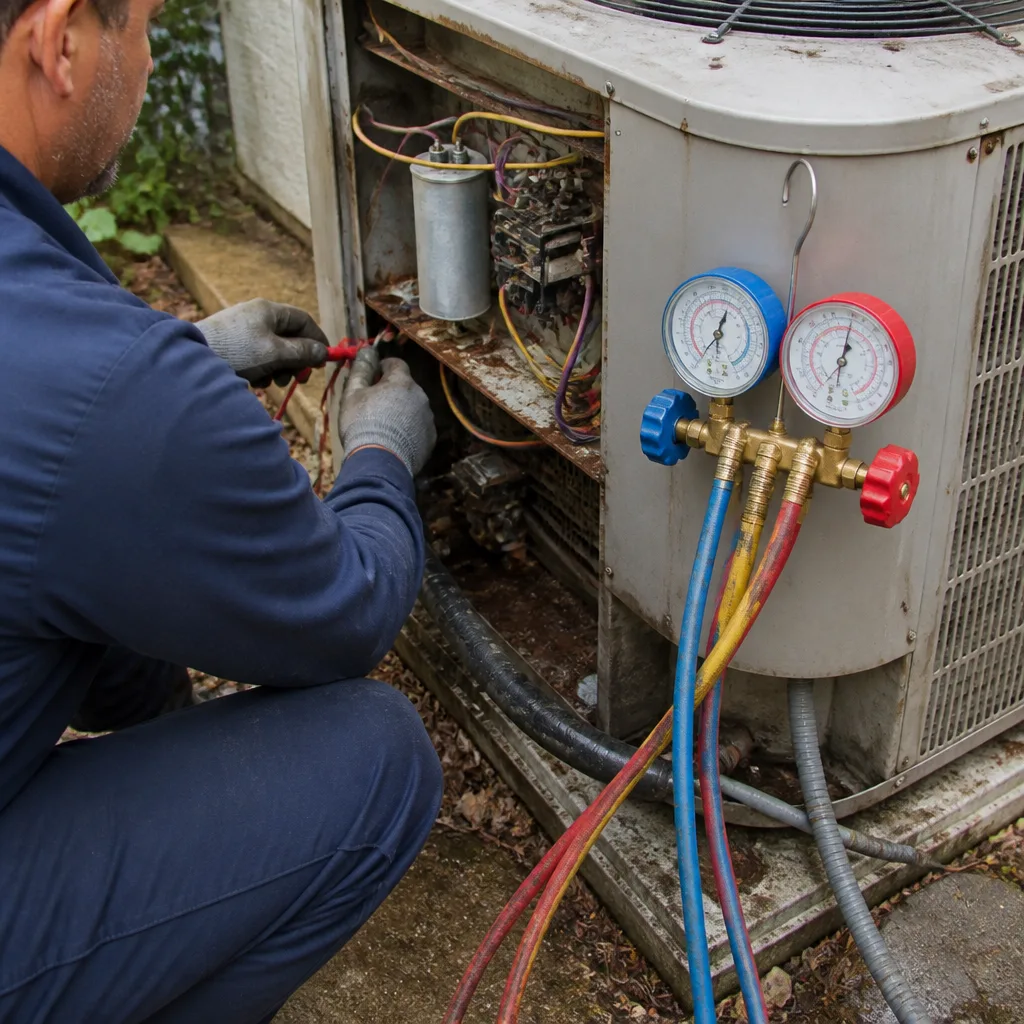 Before
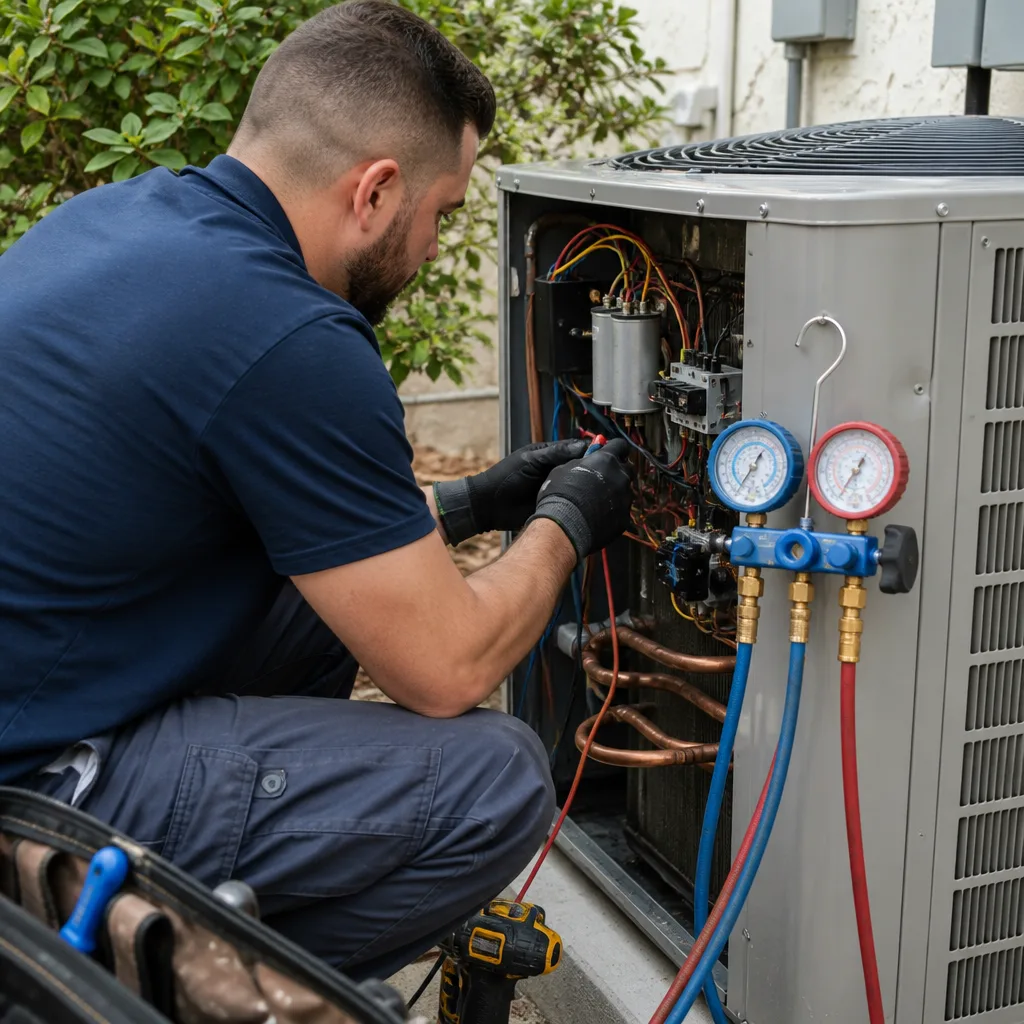 After
After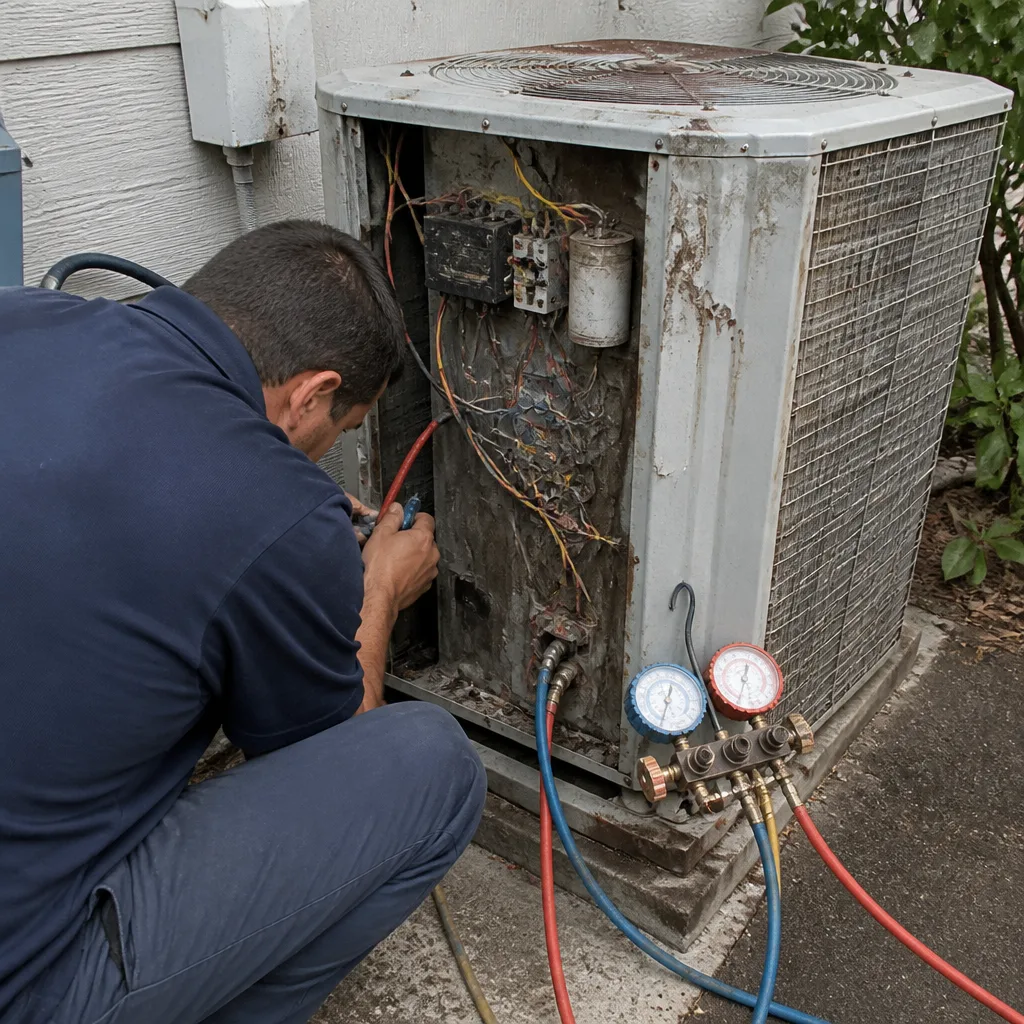 Before
 After
AfterFrequently Asked Questions
Yes. Any AC replacement in Broward County requires a mechanical permit, regardless of whether you’re changing sizes or doing a like-for-like swap. The county inspects the job at rough-in and final stages. Call Dalton Heating & Air Fort Lauderdale at (754) 354-6972 for a written quote that includes the permit fee.
Search the Broward County ePlans portal by your property’s address or folio number, filter for mechanical permits, and check the status. A closed permit means all inspections passed. An open permit is a problem you’ll need to resolve before selling or refinancing.
The county can’t retroactively issue a permit for old work without an inspection. You’ll need a licensed contractor to review the installation, correct any code deficiencies, and apply for a permit to legitimize the work. In Fort Lauderdale, this typically costs $500 to $2,000 depending on what the inspector finds. It’s cheaper than what a failed closing would cost.
No. Adding refrigerant to an existing system is maintenance and does not require a permit in Broward County or anywhere in Florida. The permit requirement triggers when components are replaced or the system is altered.
Florida allows owner-builder permits for homeowners doing their own work on their primary residence. The catch: you assume legal responsibility for the work’s compliance with the Florida Building Code. For HVAC work in Fort Lauderdale, this means you’re responsible for a proper Manual J load calculation, refrigerant line brazing, electrical work, and passing both inspections. Most homeowners don’t have the tools or training for that.
Most residential HVAC permits in Broward County run $150 to $350 depending on the job’s valuation. The fee includes both inspection visits. A reputable Fort Lauderdale contractor includes this as a line item in the written quote – never as a surprise add-on after the job starts. Call (754) 354-6972 for a free estimate that includes all permit costs.
When to Call a Professional
If you’re replacing equipment, modifying duct work, or buying a home with HVAC work of unknown permit status, call a licensed contractor before you sign anything. A professional can look up the permit history, assess whether the existing work was done to code, and give you a written price that includes the permit fee and inspection scheduling. It’s not about upsell – it’s about establishing a paper trail that protects your property value. Browse more guides & resources on protecting your Fort Lauderdale home.
Dalton Heating & Air Fort Lauderdale offers free estimates in Fort Lauderdale. Call (754) 354-6972 and a live person answers, 24/7. We’ll give you a written price before any work starts, verify the permit status on your property, and handle the Broward County permit process from application to final inspection. Every job includes a written guarantee for a full year under the 365-Day Done Right Promise.
The Bottom Line
An HVAC permit in Broward County is not optional paperwork. It’s the difference between a system that protects your home’s value and one that blocks the sale, voids insurance claims, and leaves you responsible for fines that follow the property. Full replacements, coil swaps, and duct work modifications need permits. Refrigerant recharges don’t. You can check your home’s permit history on the Broward County ePlans portal in 15 minutes. When you hire a contractor in Fort Lauderdale, insist on a written price that includes the permit, a contractor who schedules the inspections, and a final payment that’s due only after the final passes. That’s what Dalton Heating & Air Fort Lauderdale does on every job – under The Garrison Standard since 2003.
Written by Marco Benitez, Owner at Dalton Heating & Air Fort Lauderdale, serving Fort Lauderdale since 2003.