
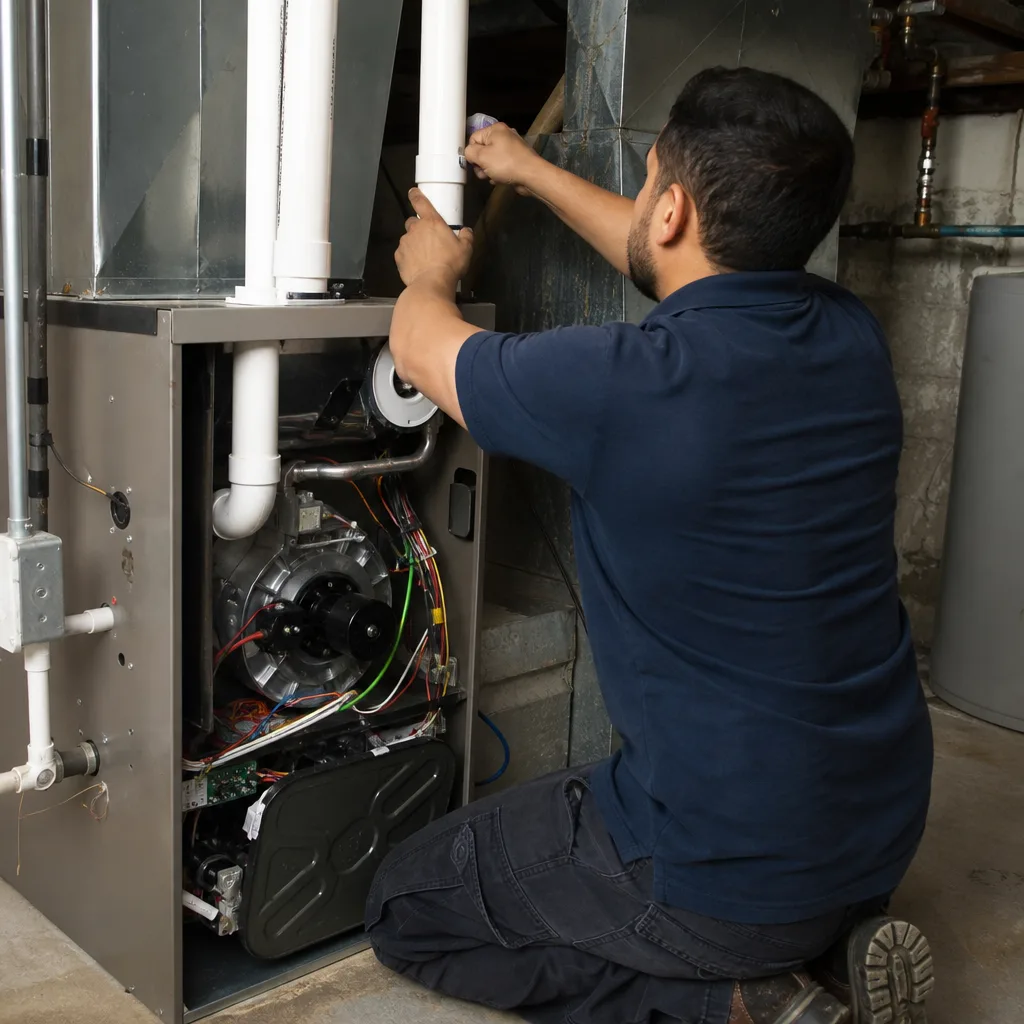
Last updated October 16, 2026
 AC repair
 Furnace & heating
 Heat pumps
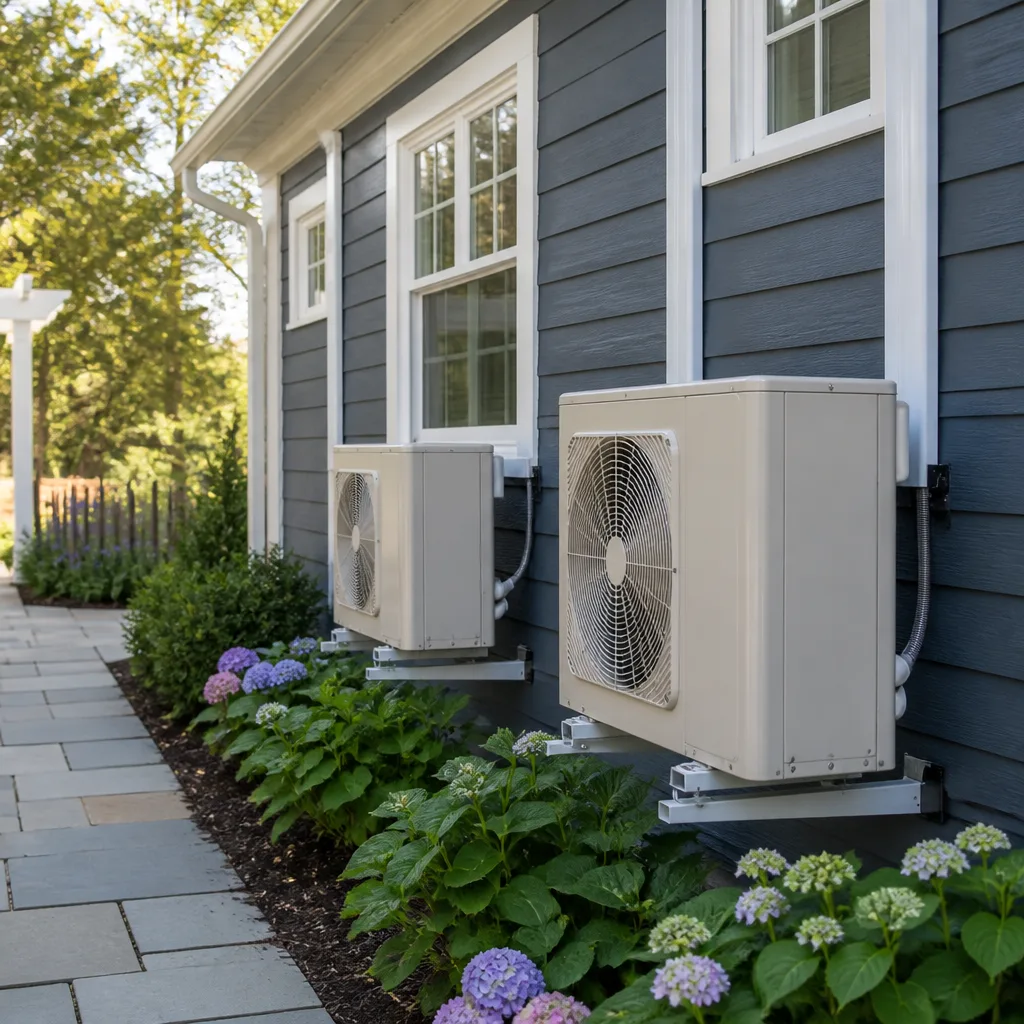 Ductless mini splits
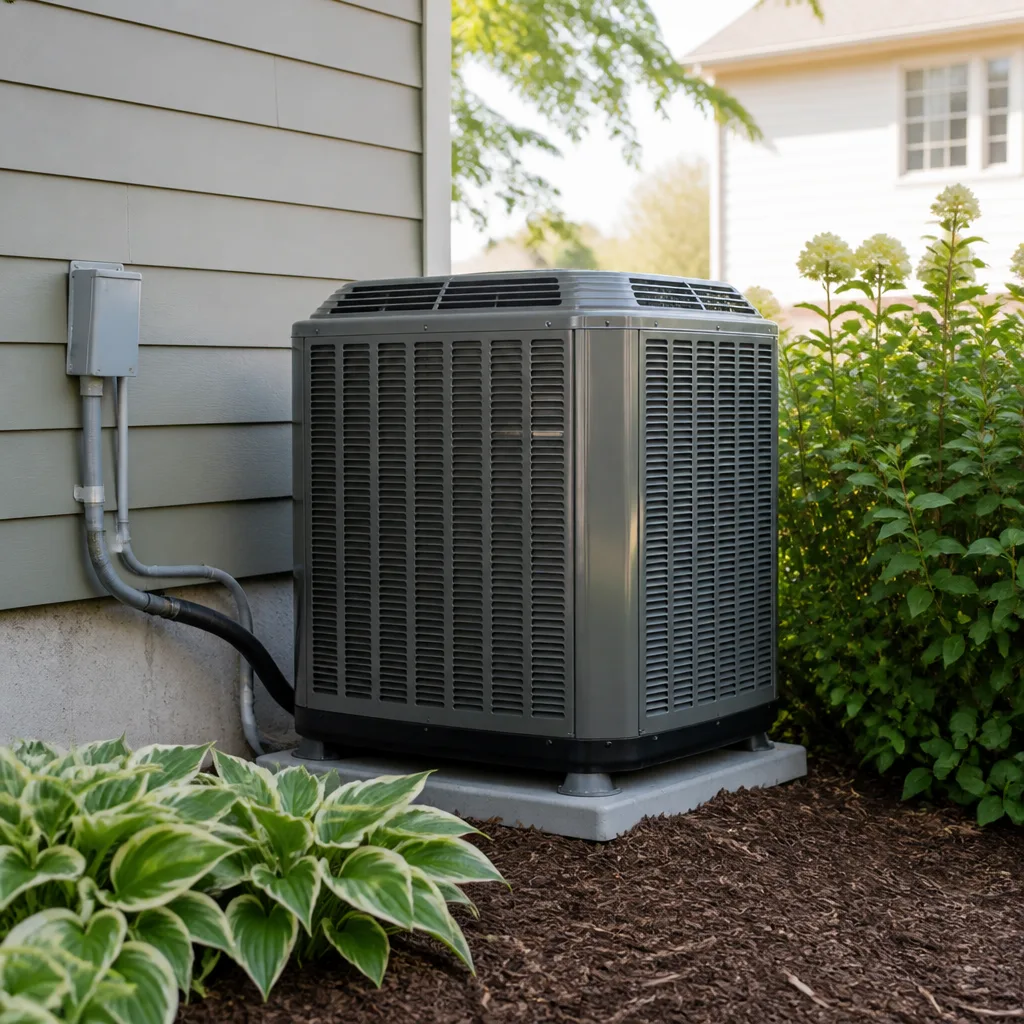 Trane
Trane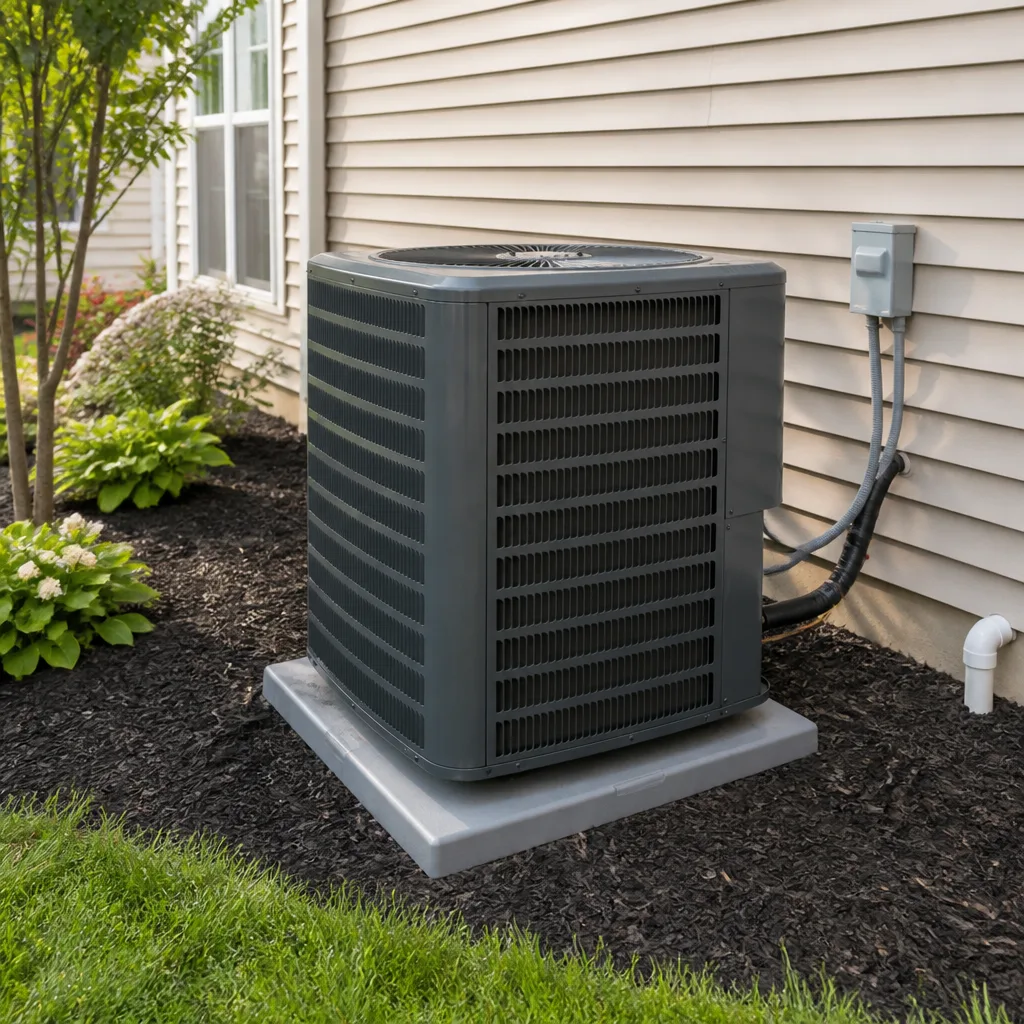 Goodman
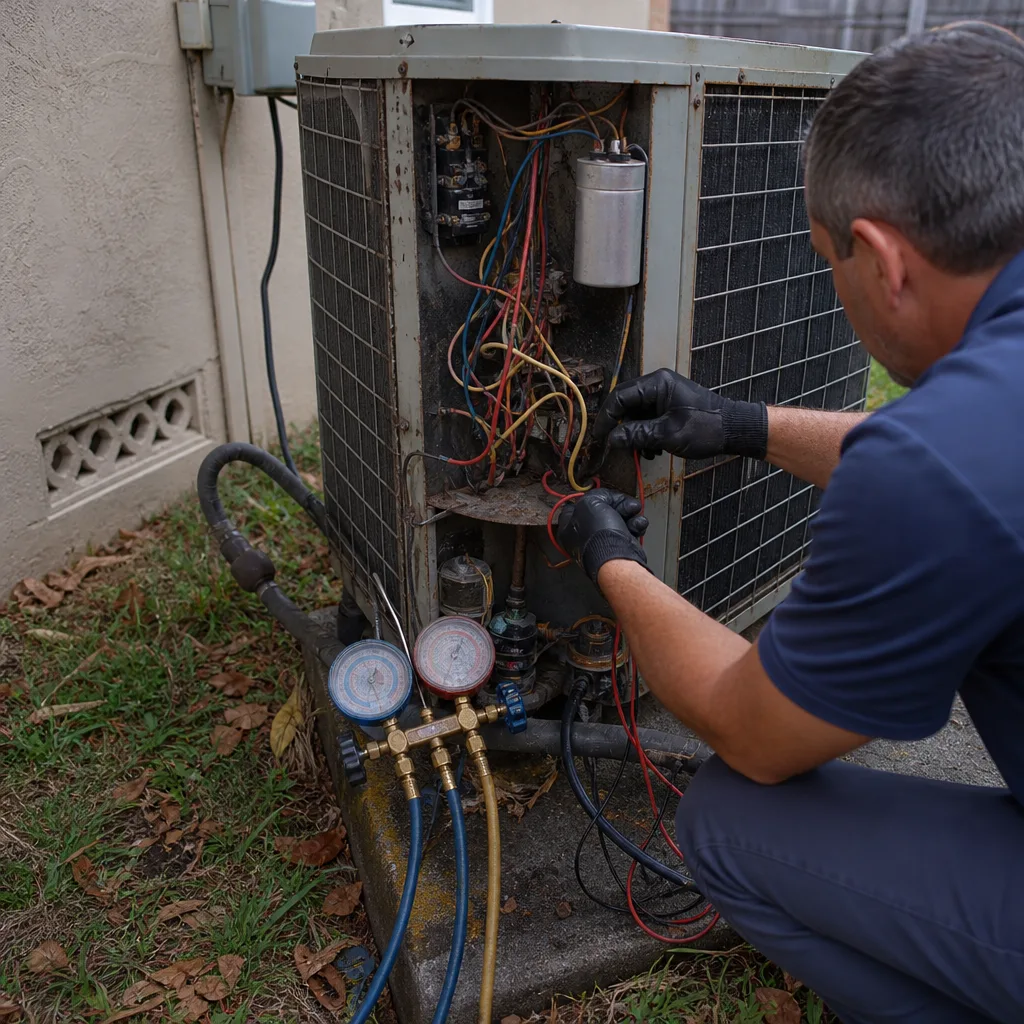
Seasonal tune-up and full diagnostic on your Carrier, Trane, or Goodman system - readings shown to you before any repair is proposed
Diagnosis first, numbers second - you approve the repair price before a single part goes in.
Get your free estimateAC Repair Maintenance Checklist for Fort Lauderdale Homeowners
The number-one cause of emergency AC calls in Fort Lauderdale between June and September isn’t refrigerant loss or compressor failure – it’s a clogged condensate drain line backing up into the air handler. That single failure accounts for more water-damaged ceilings, ruined drywall, and midnight service calls than any other issue we see, and preventing it costs under $15 and takes about ten minutes. Most national maintenance checklists bury drain line care near the bottom, written by people who have never spent an August in South Florida. This guide reorders the list by what actually fails first when a system runs 10 to 11 months per year in 80% humidity, and you can find The Complete Guide to HVAC in Fort Lauderdale for deeper system knowledge.
Quick Answer
The most important AC maintenance tasks for Fort Lauderdale homeowners are: flush the condensate drain line monthly during summer to prevent algae clogs, check the air filter every 30 days and replace it when it’s visibly dirty, clear debris and vegetation from around the outdoor condenser unit, and schedule one professional inspection per year that includes capacitor and contactor testing, evaporator coil cleaning, and refrigerant level verification. A homeowner can handle the first three tasks with basic tools; the electrical and refrigerant work requires a licensed technician.
Styles & brands we work with
Table of Contents
- The Condensate Drain Line: Your First Line of Defense
- Air Filter Schedule for Year-Round Systems
- The Outdoor Condenser Unit: Keep It Breathing
- Capacitors and Contactors: The Parts That Wear Out Fastest
- Evaporator Coil Care in High Humidity
- Thermostat Settings and System Behavior Checks
- What a Professional Maintenance Visit Should Include
- Common Mistakes to Avoid
- When to Call a Professional
- Frequently Asked Questions
The Condensate Drain Line: Your First Line of Defense
Every air conditioner produces water as it cools your home. Warm, humid Fort Lauderdale air hits the cold evaporator coil inside your air handler, moisture condenses on the coil surface, and that water drips into a pan and flows out through a PVC pipe – the condensate drain line. In most climates, that line stays relatively clear because systems run intermittently and the line dries out between cycles. In Fort Lauderdale, the line stays wet nearly year-round and warm, which creates the perfect environment for algae and biofilm to grow inside the pipe. Once that growth accumulates enough to restrict flow, water backs up into the drain pan, overflows, and finds its way through your ceiling or into the air handler itself.
We recommend flushing the drain line monthly from April through October, which is when algae grows fastest. Here’s the process:
- Locate the drain line access point – usually a capped PVC tee or a small open pipe near the indoor air handler, often in a closet, attic, or garage.
- Pour one cup of distilled white vinegar down the access point. Vinegar kills algae and dissolves the mineral scale that hard water leaves behind. Do not use bleach – it corrodes PVC over time and can damage the drain pan.
- Let it sit for 30 minutes, then flush with about two cups of warm water to push loosened material through.
- If you have a wet/dry vacuum, attach it to the outdoor end of the drain line for 30 seconds to pull any remaining debris out. This step alone has saved many Fort Lauderdale homeowners from a ceiling repair that costs more than an entire maintenance visit.
Some systems have a float switch installed in the drain pan – a small plastic device that shuts the system off when water rises too high. If you have one, test it twice a year by pouring a small amount of water into the pan and confirming the system stops. It’s a $40 part that prevents a $2,000 water damage claim, and it fails silently if never tested.
Air Filter Schedule for Year-Round Systems
National HVAC guides typically tell you to change your filter every 90 days. That advice assumes a system running half the year. In Fort Lauderdale, where the AC cycles on and off from March through November and runs intermittently even in winter, your filter works at least twice as many hours. A 1-inch pleated filter in a Fort Lauderdale home will clog in 30 to 45 days during peak summer, not 90. A clogged filter restricts airflow, which causes the evaporator coil to freeze, the blower motor to overheat, and the system to run longer to hit the same temperature – all of which translates directly to a higher FPL bill.
Set a calendar reminder on the first of every month. Pull the filter, hold it up to a light source, and replace it if you can’t see light through it clearly, or if visible dust and pet hair coat the surface. Monthly checking beats relying on a fixed replacement interval because every home is different. A house with two dogs, a cat, and four people in Plantation will load a filter faster than a single-occupant condo in Victoria Park.
Skip the high-MERV filters unless your system was designed for them. A MERV 13 filter restricts airflow significantly on older systems and can cause freeze-ups, especially on single-stage units that toggle between full on and off. MERV 8 is the sweet spot for most Fort Lauderdale homes. If someone in your household has severe allergies, a MERV 11 works on most newer systems, but have a technician confirm the static pressure first. We regularly see homes where an ultra-high-efficiency filter caused the exact failure the homeowner was trying to prevent.
The Outdoor Condenser Unit: Keep It Breathing
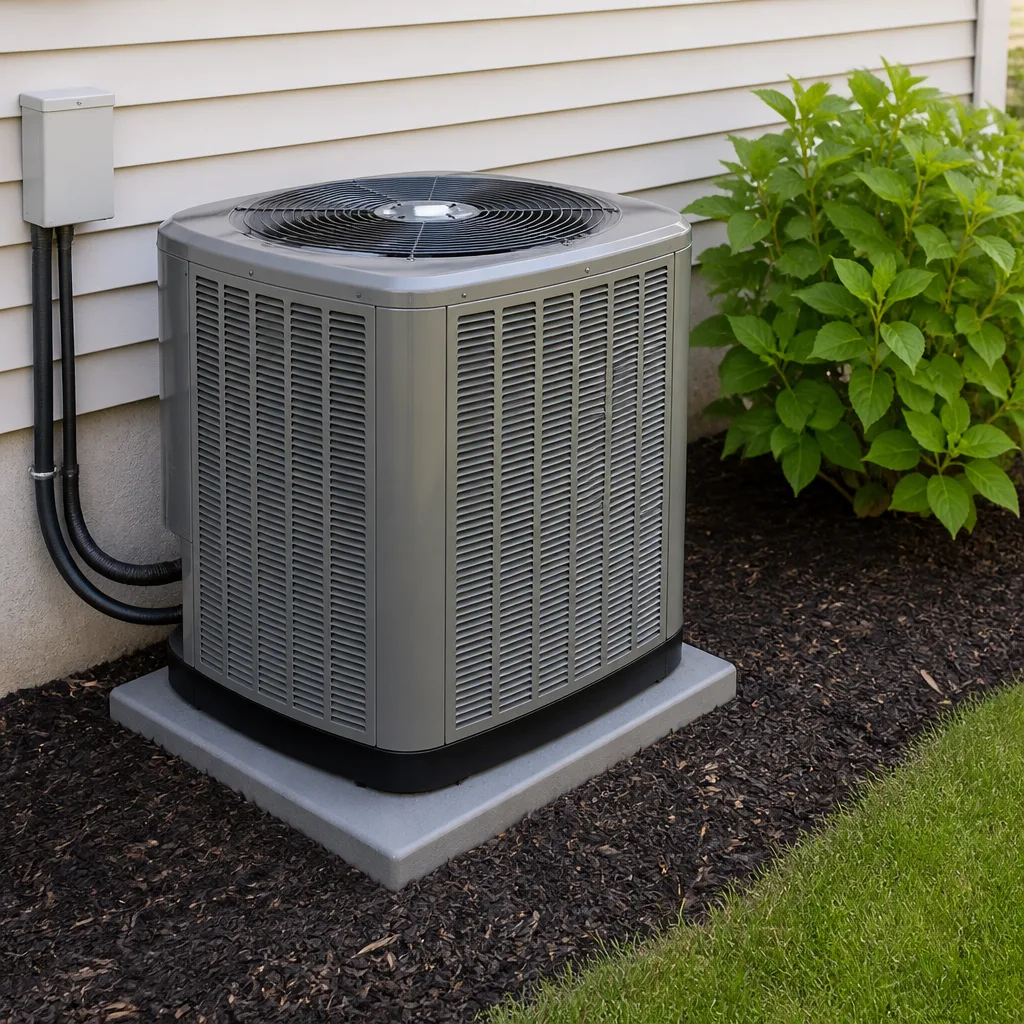
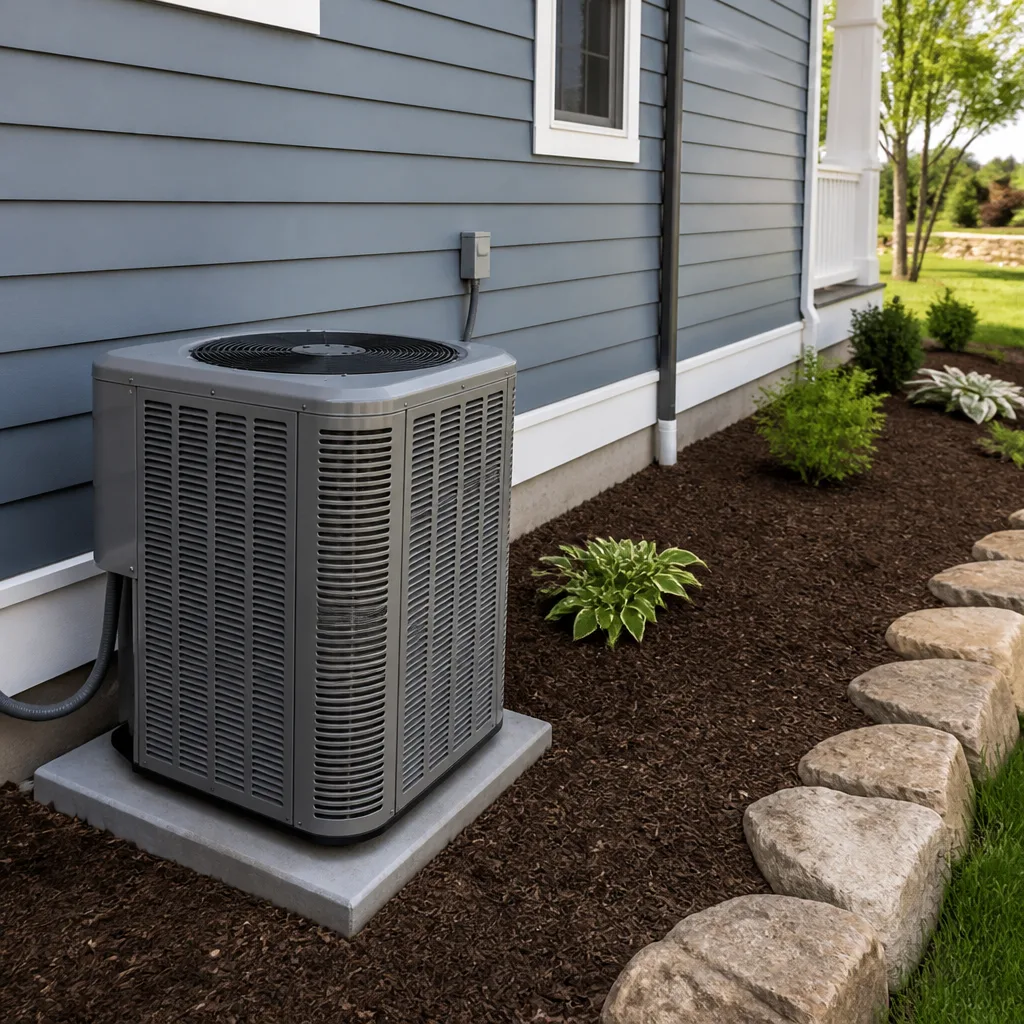
The condenser is the metal box outside your home, usually on a concrete pad. It rejects heat from your house into the outdoor air, and it needs unrestricted airflow on all sides to do that job. Fort Lauderdale yards attack condenser units from every angle: grass clippings from lawn crews, palm fronds, mulch, soil splash from heavy rain, and the relentless growth of vines and weeds. When the coil becomes coated in debris, the compressor runs hotter and draws more current. Hot compressors fail early, and compressor replacement costs $2,000 to $4,000 on most systems – it’s the most expensive repair in HVAC.
Here’s the homeowner checklist for the condenser, once every two months during the growing season:
- Turn off the power at the disconnect box near the unit – a small gray box mounted on the wall beside it. Pull the handle or switch it to off.
- Remove leaves, grass clippings, and debris from the top and sides by hand. Put on gloves; the coil fins are sharp.
- Trim back vegetation so there’s at least two feet of clearance on every side and five feet above the unit. Landscaping that looked fine in January will swallow a condenser by July in Fort Lauderdale.
- Use a garden hose with a spray nozzle on medium pressure to wash the coil from the inside out. Never use a pressure washer – it folds the aluminum fins flat and permanently reduces heat rejection.
- Check that the pad is level. Settling soil from Florida rain can tilt the condenser over time, which strains the compressor and can cause oil starvation. A tilted unit needs a technician to re-level it.
Restore power and verify the fan spins freely and quietly. Rattling, buzzing, or a fan that spins slowly are early warnings of a failing fan motor or capacitor – catch those before they take the compressor down with them.
Capacitors and Contactors: The Parts That Wear Out Fastest
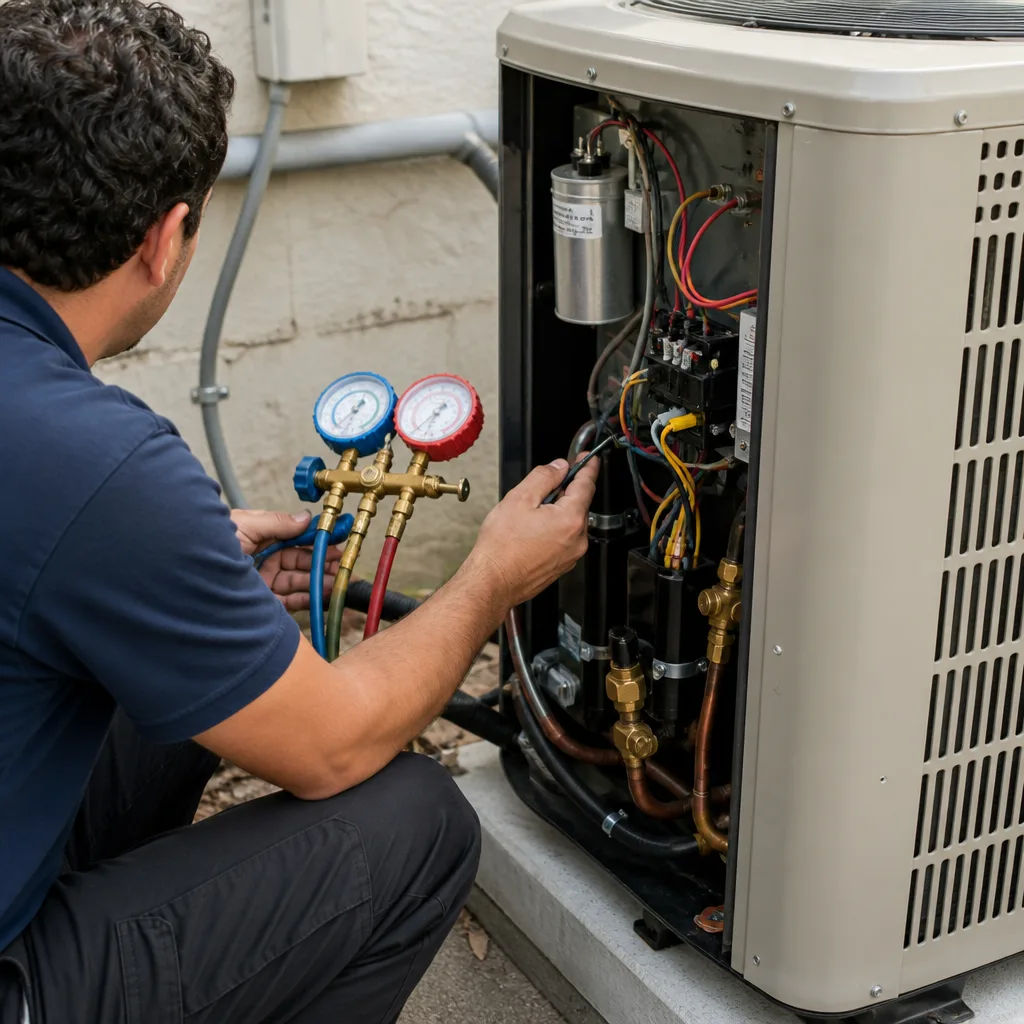
Every time your AC starts, two electrical components take the initial hit: the capacitor and the contactor. The capacitor is essentially a storage device that provides a burst of energy to get the compressor and fan motor spinning – measured in microfarads, abbreviated µF, which is just a unit of electrical storage capacity. The contactor is a heavy-duty relay that closes when the thermostat calls for cooling, routing full voltage to the compressor and fan. Both are wear items, and both wear out faster in Fort Lauderdale than in nearly any other US climate because the system cycles on hundreds of times more per year than an equivalent unit in Ohio.
Here’s what happens as they degrade:
- Capacitor degradation: A capacitor rated at 45 microfarads will run fine for years, then start losing capacity slowly. By the time it’s down 10% – 40.5 µF – the compressor labors on every start. Below 10% loss, it’s drawing excessive current and generating heat. At some point, the compressor fails to start entirely, sits in a locked-rotor state, and trips a breaker or burns out. A technician with a multimeter can test capacitance in seconds and replace the part for $150 to $300 (parts and labor) before it cascades into a $2,500 compressor replacement.
- Contactor pitting: Every time the contactor closes, a microscopic electrical arc crosses its contacts. Over tens of thousands of cycles, those contacts pit and develop carbon build-up. Eventually the contactor may chatter, weld itself closed (causing the outdoor unit to run even when the thermostat says off), or fail to close at all. A replacement contactor runs $120 to $220 installed.
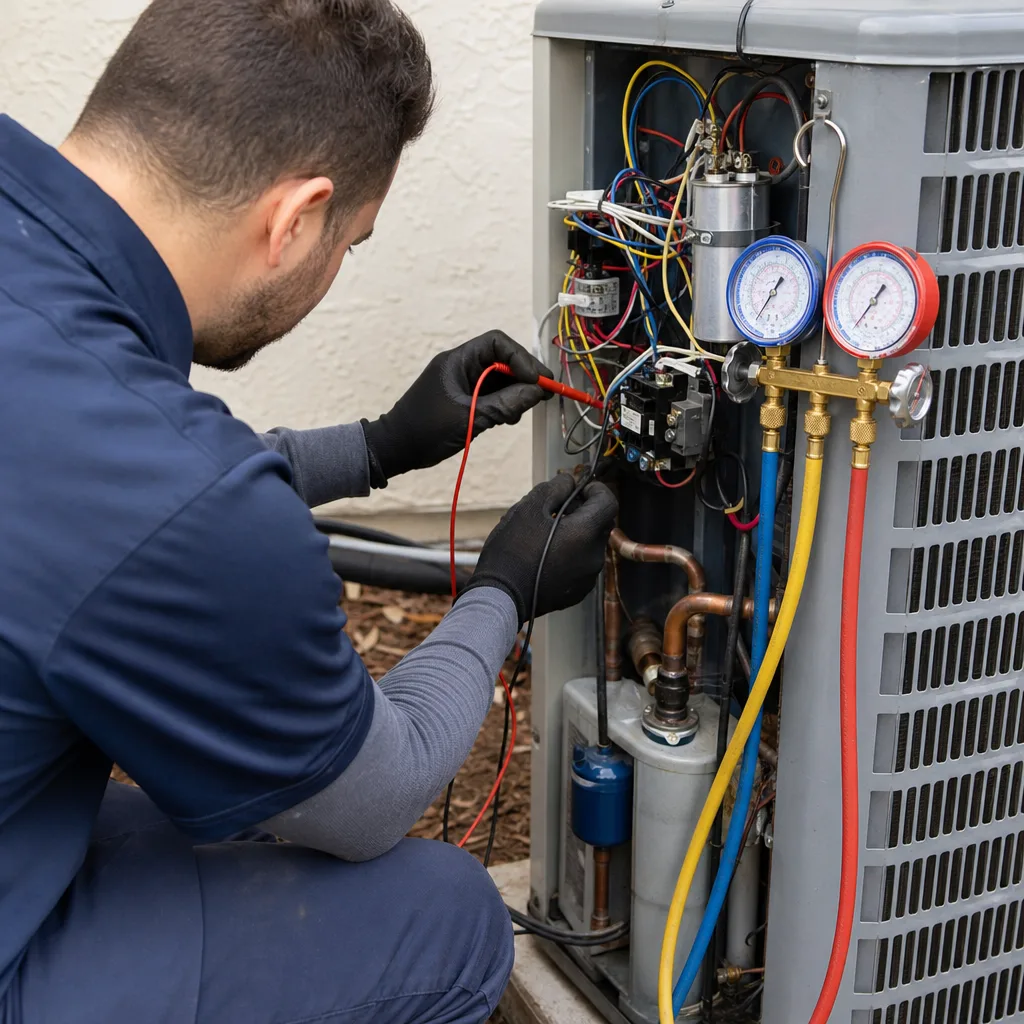
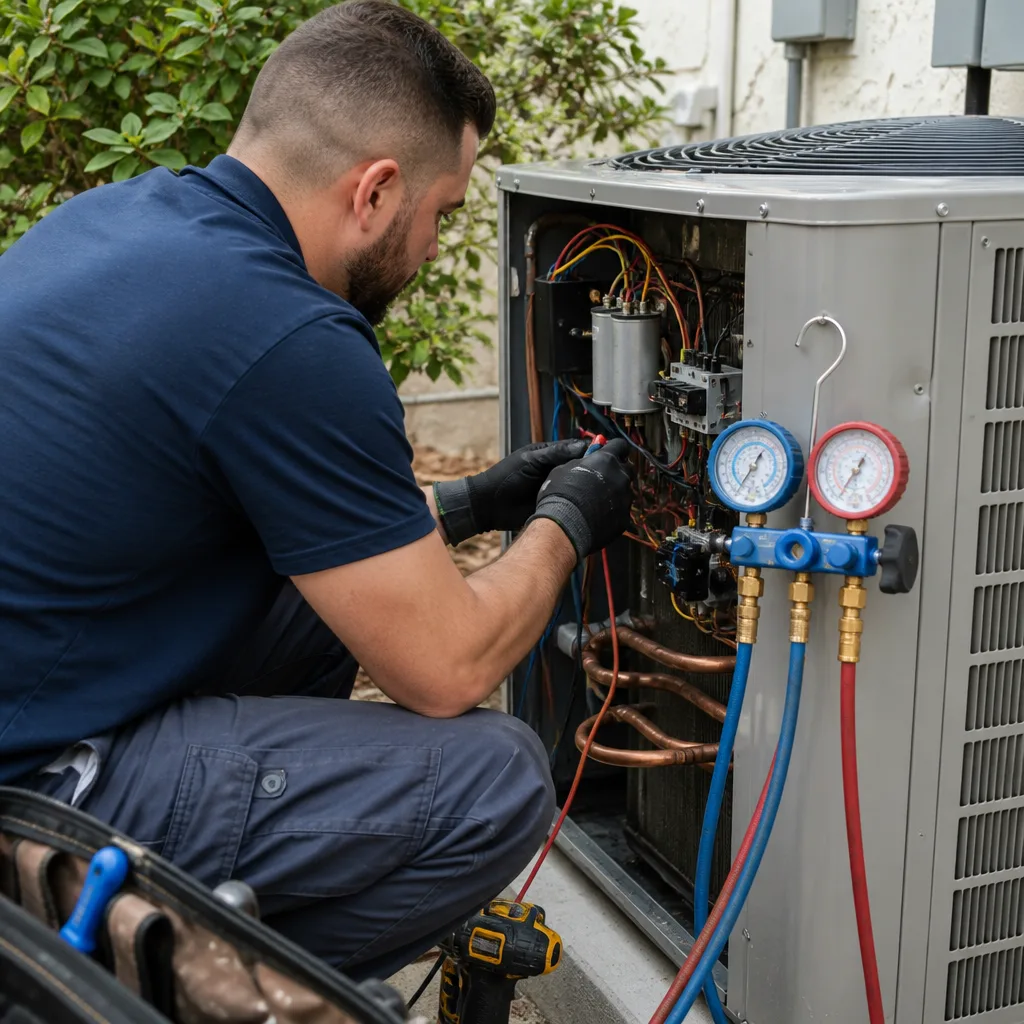
Neither part can be tested by a homeowner without opening the electrical compartment – and doing so carries a genuine shock hazard. A 240-volt capacitor holds its charge even after the power is off, and failing to discharge it properly can cause a severe shock. This is where the annual professional inspection earns its cost: the technician reads microfarad values on the capacitor, checks contactor surfaces for pitting, and replaces either part before a no-cooling call at 9 PM on a Saturday.
This applies regardless of brand. We service AC repair in Fort Lauderdale across Carrier, Trane, Lennox, Goodman, Rheem, York, Daikin, Bryant, and American Standard, and the capacitor and contactor wear pattern is consistent across all of them – it’s a function of runtime and heat, not brand quality.
Evaporator Coil Care in High Humidity
The evaporator coil sits inside your air handler and is the cold surface that air passes over before reaching your vents. In a dry climate, the coil mostly accumulates dust. In Fort Lauderdale’s humidity, the coil stays wet, and wet dust becomes biological growth – biofilm, mold, and bacteria that build faster than the same system would experience in Atlanta or Dallas. A dirty evaporator coil reduces cooling capacity by up to 30% (the system runs longer to hit the same setpoint) and sends musty, sometimes unhealthy air into your home.
We recommend a professional coil cleaning every 12 to 18 months for most Fort Lauderdale homes, more often if you have pets or run the system heavily year-round. Cleaning an evaporator coil properly requires pulling the access panel, applying an approved coil cleaner, rinsing carefully without soaking the blower motor or control board, and inspecting the drain pan while you’re in there. It’s possible for a homeowner to spray a no-rinse foam cleaner on an accessible coil, but on most split systems the coil is partially hidden behind ductwork, and doing it wrong creates an electrical hazard or leaves cleaner residue that deteriorates over time.
What a homeowner can do between service visits: run the fan for 20 to 30 minutes after the cooling cycle shuts off (set the thermostat fan setting from auto to on), which dries out the coil and reduces biofilm growth. In Fort Lauderdale’s climate, that one change measurably cuts down on coil grime. Also, if you smell a musty odor when the AC first kicks on, that’s biological growth on the coil – schedule the cleaning rather than masking it with air fresheners.
Thermostat Settings and System Behavior Checks
A surprising number of AC repair calls in Fort Lauderdale trace back to thermostat misuse rather than equipment failure. The most common scenario: a homeowner sets the thermostat to 68°F during a July heat wave, the system runs continuously without reaching the setpoint, and the homeowner assumes it’s broken. A properly sized AC system in South Florida can typically pull the indoor temperature about 20 degrees below the outdoor temperature. When it’s 96°F outside, 76°F is a realistic target – setting it lower just runs the system continuously, wastes energy, and freezes the coil.
Here’s a quarterly homeowner check:
- Set the thermostat to cool mode and lower the setpoint 3 degrees below the current room temperature. You should hear the condenser start within 30 seconds and feel air blowing from the vents within 60.
- Measure the temperature at the return grille (where air enters) and the supply register (where air exits). The difference should be 15 to 20 degrees. Less than that suggests low refrigerant, a failing compressor, or a restricted coil; more suggests an airflow problem.
- Verify that the thermostat reading matches an independent thermometer placed nearby. Thermostats near a kitchen, a sunny window, or a television with a heat plume will read false temperatures and cycle the system incorrectly.
- Check the temperature swing. A system that short-cycles (runs 5 minutes, stops 5 minutes) has a problem – often low refrigerant, an oversized system, or a failing sensor. A system that runs continuously and never satisfies has a different problem – often low refrigerant or an undersized system.
If you have a programmable thermostat, set it for a consistent 76 – 78°F during occupied hours and let it rise no more than 5 degrees when you’re away. Deep setbacks force the system to work harder reclaiming temperature than it saved maintaining it, especially in Fort Lauderdale’s humidity, because the system has to remove all the moisture the air absorbed while the temperature was up.
What a Professional Maintenance Visit Should Include
One thorough professional inspection per year catches most failures before they leave you without air in July. But not all maintenance visits are equal, and a homeowner should know exactly what a proper visit covers. Here’s what we consider the minimum for a Fort Lauderdale system:
- Capacitor test with a multimeter – reading microfarads against the capacitor’s rated value, replacing anything below 10% degradation.
- Contactor inspection – checking contact surfaces for pitting, measuring voltage drop across closed contacts, and confirming it opens and closes reliably.
- Refrigerant level verification – checking superheat and subcooling against manufacturer specs. Refrigerant doesn’t get “used up”; low refrigerant means a leak, and a technician should find and repair the leak, not just top off the system.
- Condensate drain line flush and pan inspection – clearing the line, checking the pan for cracks, testing the float switch.
- Evaporator coil inspection – visual check for buildup, biological growth, and fin damage. Cleaning as needed.
- Condenser coil cleaning – removing debris, washing the coil, verifying airflow through the unit.
- Blower motor and wheel inspection – checking for bearing noise, vibration, dirt accumulation on the blower wheel that throws it out of balance.
- Electrical system tightening – loose connections generate heat and fail over time; every terminal in the disconnect, contactor, and control board should be checked.
- Thermostat calibration – verifying the reading is accurate and the anticipator (if applicable) is set correctly.
- Airflow measurement – static pressure test or temperature split measurement to verify the system is moving air as designed.
That is the standard we hold at Dalton Heating & Air Fort Lauderdale home. Every maintenance visit includes a written report of what was tested, what was found, and what needs attention. If a repair is needed, the price is in writing before any work starts – that’s The Garrison Standard our company has operated under since 2003. We don’t train technicians to sell replacement parts on commission, and we don’t flag a component unless it’s actually outside spec.
Common Mistakes to Avoid
- Using bleach in the condensate drain line. Bleach corrodes PVC and can crack the drain pan, creating the very problem you’re trying to avoid. Use vinegar monthly, or have a technician run a safe algaecide flush annually.
- Waiting for the 90-day mark to change the filter. Fort Lauderdale systems run more than twice the hours of four-season climates. Check monthly, replace when dirty, and don’t rely on a calendar.
- Pressure-washing the condenser coil. High pressure folds the aluminum fins flat, permanently reducing heat rejection and shortening compressor life. Medium garden-hose pressure only, from the inside out.
- Ignoring short cycling. A system that kicks on and off every few minutes is silently damaging itself – failed capacitors, low refrigerant, or an oversized system are the usual causes. Short cycling never fixes itself.
- Closing vents in unused rooms to save energy. Your system’s blower is designed for a certain static pressure, and closing vents increases that pressure, reducing airflow across the coil and encouraging freeze-ups, especially on older single-stage systems.
- Assuming a newer system doesn’t need maintenance. We see more condensate drain clogs in Fort Lauderdale homes with new construction than in older homes because the lines are long, run through hot attics, and have more surface area for algae. New systems need the same monthly drain care as old ones.
- Mounting a thermostat in a hallway with a return grille eight inches below it. The thermostat reads air being pulled toward the return and cycles the system off prematurely. Placement beats programming every time.
When to Call a Professional
Any task that involves the electrical compartment, refrigerant lines, or coil fins should be left to a licensed technician. That includes capacitor and contactor testing, refrigerant level checks and leak repair, and coil cleaning. If your system is blowing warm air, short-cycling, making grinding or buzzing sounds from the outdoor unit, or tripping breakers, do not keep resetting the breaker and hoping – each reset stresses the compressor further. If you see water around the air handler or stains on the ceiling below it, shut the system off and call immediately; the water damage compounds by the hour. AC repair in Fort Lauderdale from Dalton Heating & Air includes a written price before any work starts, a written guarantee on every repair, and a free return visit if the repair fails within the guarantee period. Call (754) 354-6972 for a free estimate.
Frequently Asked Questions
We recommend one professional inspection per year, ideally in March or April before the heavy cooling season starts. A Fort Lauderdale system runs 10 to 11 months per year, so annual service is the minimum – homes with pets, heavy occupancy, or older systems benefit from twice-annual condenser and drain line checks.
Most AC repairs in Fort Lauderdale run $150 to $450 depending on the part – capacitors and contactors land at the lower end, while blower motors, fan motors, and control boards run $350 to $900, and compressor replacement is $2,000 to $4,000. Exactly what your system needs depends on the diagnosis, and our AC Repair services always provide the price in writing before any work begins. Call (754) 354-6972 for a free estimate and an exact quote.
You can keep the outdoor condenser coil clear of leaves and debris with a garden hose, but the indoor evaporator coil requires removing access panels and handling electrical components – a job for a trained technician. A wet coil in Florida’s humidity becomes a biological growth surface quickly, and professional coil cleaning is the single best way to extend a system’s life.
The smell comes from mold and biofilm growing on the evaporator coil inside your air handler, a condition that develops faster in Fort Lauderdale because the coil stays wet most of the year. Running the fan for 20 to 30 minutes after the cooling cycle shuts off dries the coil and slows growth, but a proper coil cleaning is the only way to remove the existing odor.
The general rule: multiply the repair cost by the system’s age. If the result exceeds $5,000, replacement usually makes more sense – so a $600 repair on a 12-year-old system lands right at the boundary, while a $2,500 repair on the same system argues for replacement. For systems under eight years old, repair is almost always the right call. A heat pump installation in Fort Lauderdale can also cut cooling costs by 30 to 40 percent over a 10-SEER unit built in 2005.
Monthly during the warm months – April through October – and every other month the rest of the year. Fort Lauderdale’s algae grows fast in warm, wet conditions, and a monthly vinegar flush costs pennies compared to the water damage a backed-up drain pan can cause. If you’re not comfortable doing it yourself, any furnace repair in Fort Lauderdale tech from Dalton can do it on a maintenance visit.
The Bottom Line
Fort Lauderdale homeowners need a different maintenance calendar than the rest of the country. The condensate drain line gets flushed monthly, not annually. The filter gets checked every 30 days, not every 90. The capacitor and contactor get tested with a multimeter at least once a year because the system cycles thousands of times more than a northern unit. Do the homeowner tasks on schedule, schedule one professional inspection before summer hits, and the system will run longer, cool more efficiently, and fail far less often. The checklist is short. The discipline is following it.
Dalton Heating & Air Fort Lauderdale | Call (754) 354-6972 for a free estimate on AC maintenance, repair, or heat pump installation in Fort Lauderdale. Every job includes a written price before work begins and a written guarantee in writing – that has been our standard since 2003.
Written by Marco Benitez, Owner at Dalton Heating & Air Fort Lauderdale, serving Fort Lauderdale since 2003.
See the difference
 Before
 After
After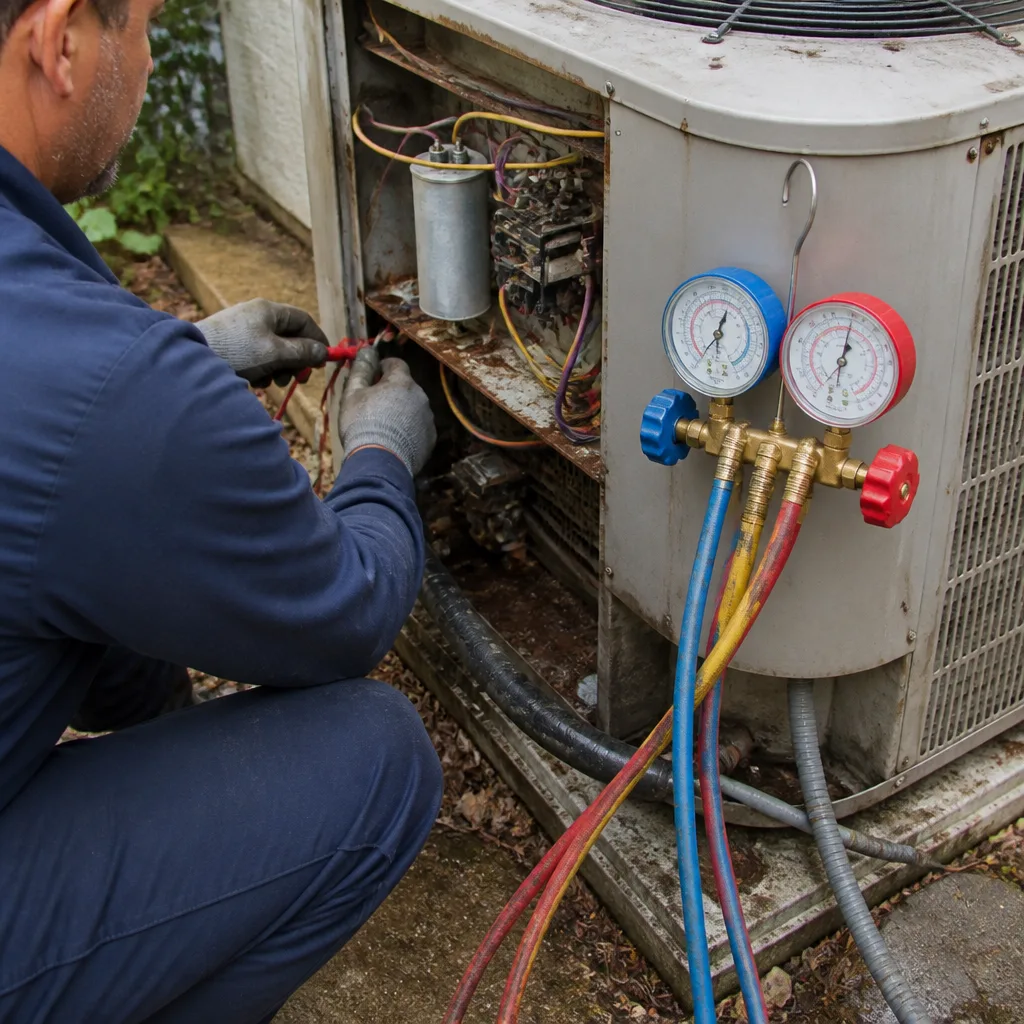 Before
 After
After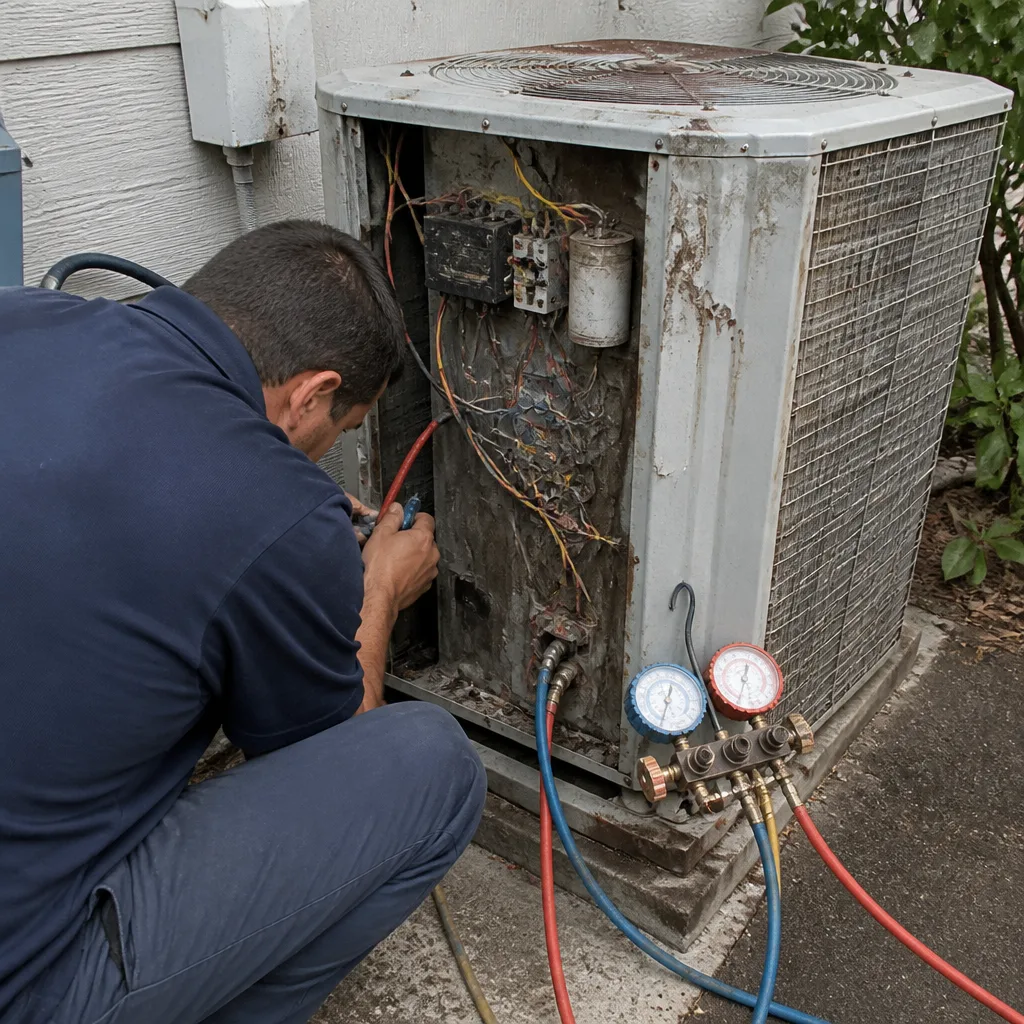 Before
 After
After