
Last updated October 16, 2026
 AC repair
 Furnace & heating
 Heat pumps
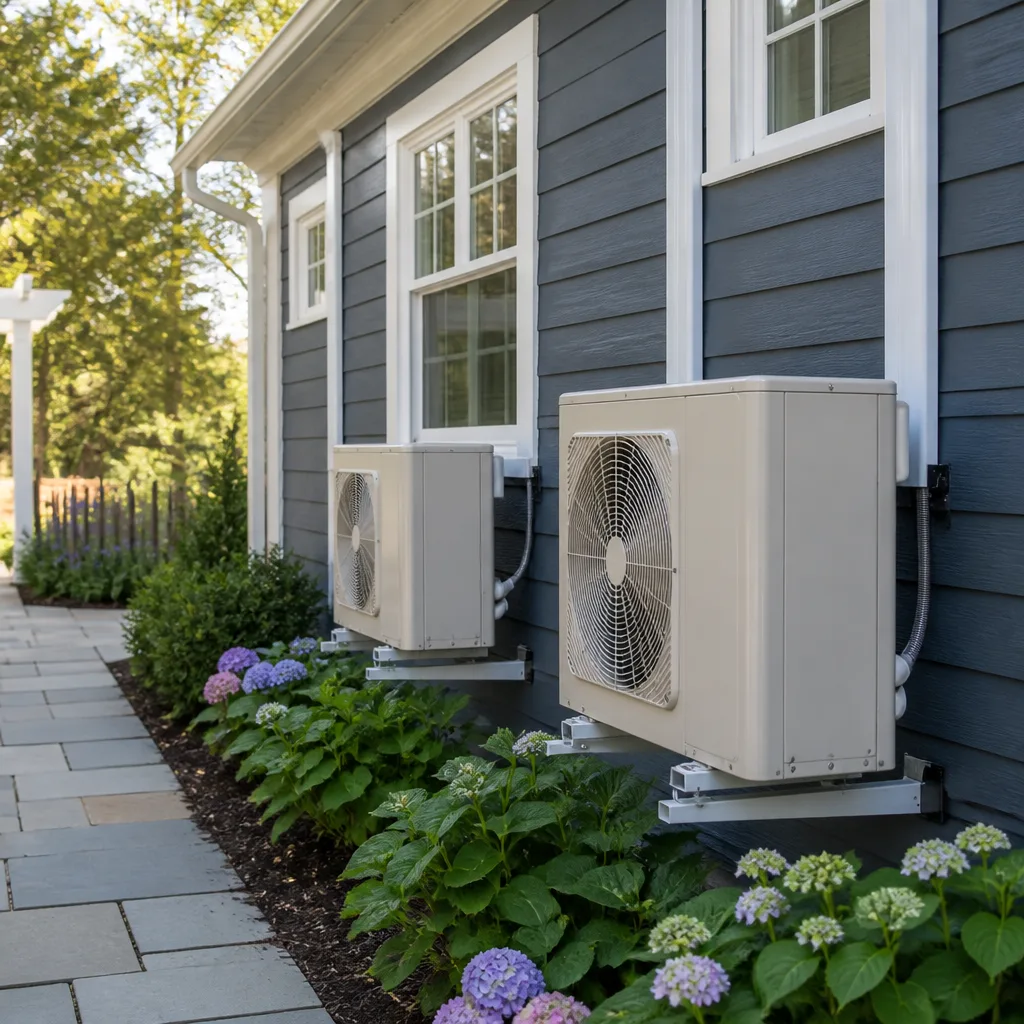 Ductless mini splits
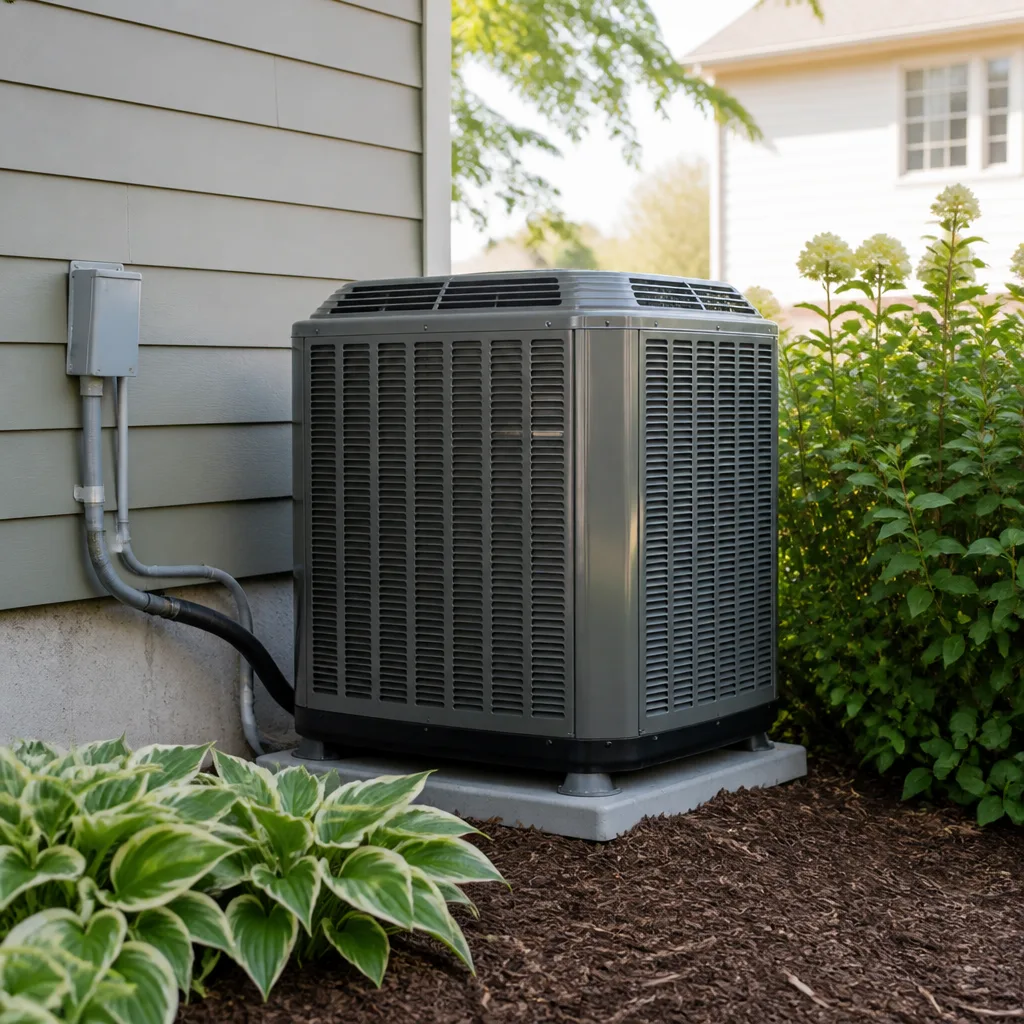 Trane
Trane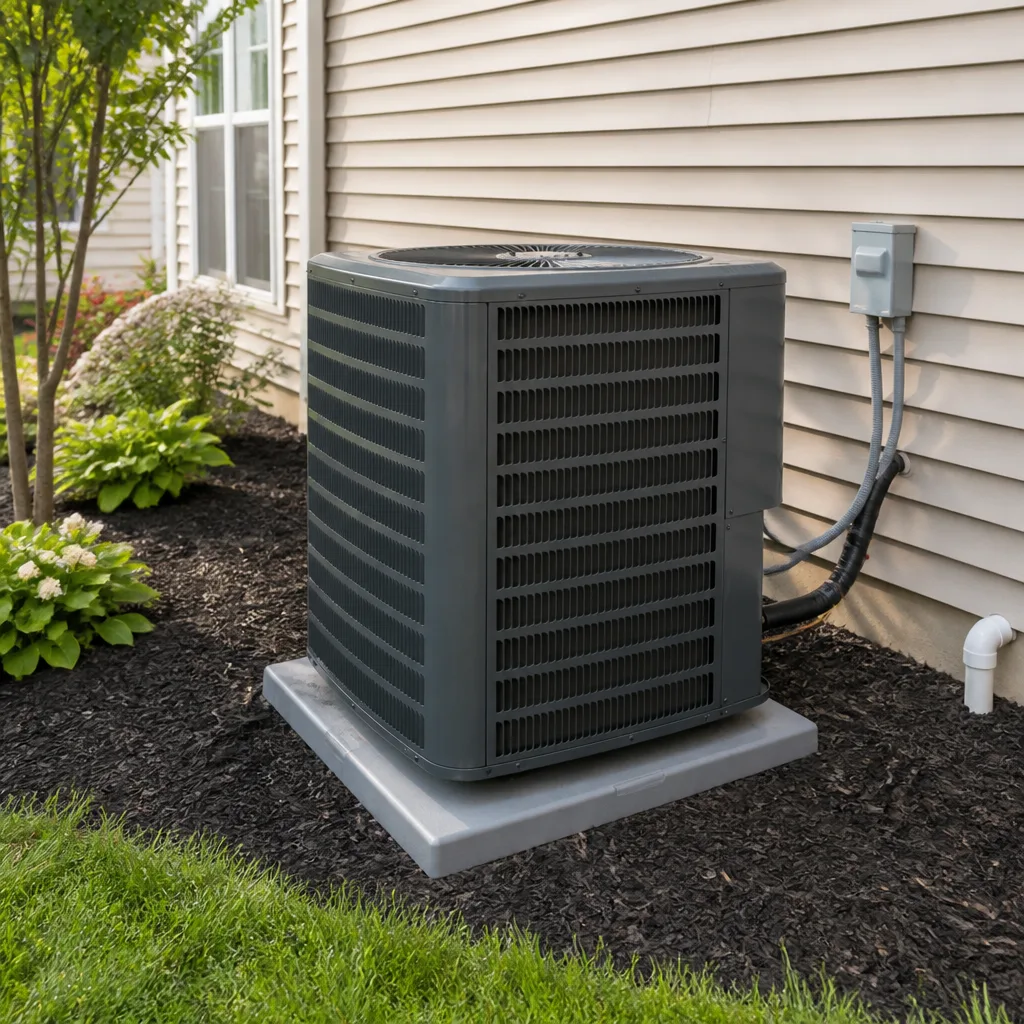 Goodman
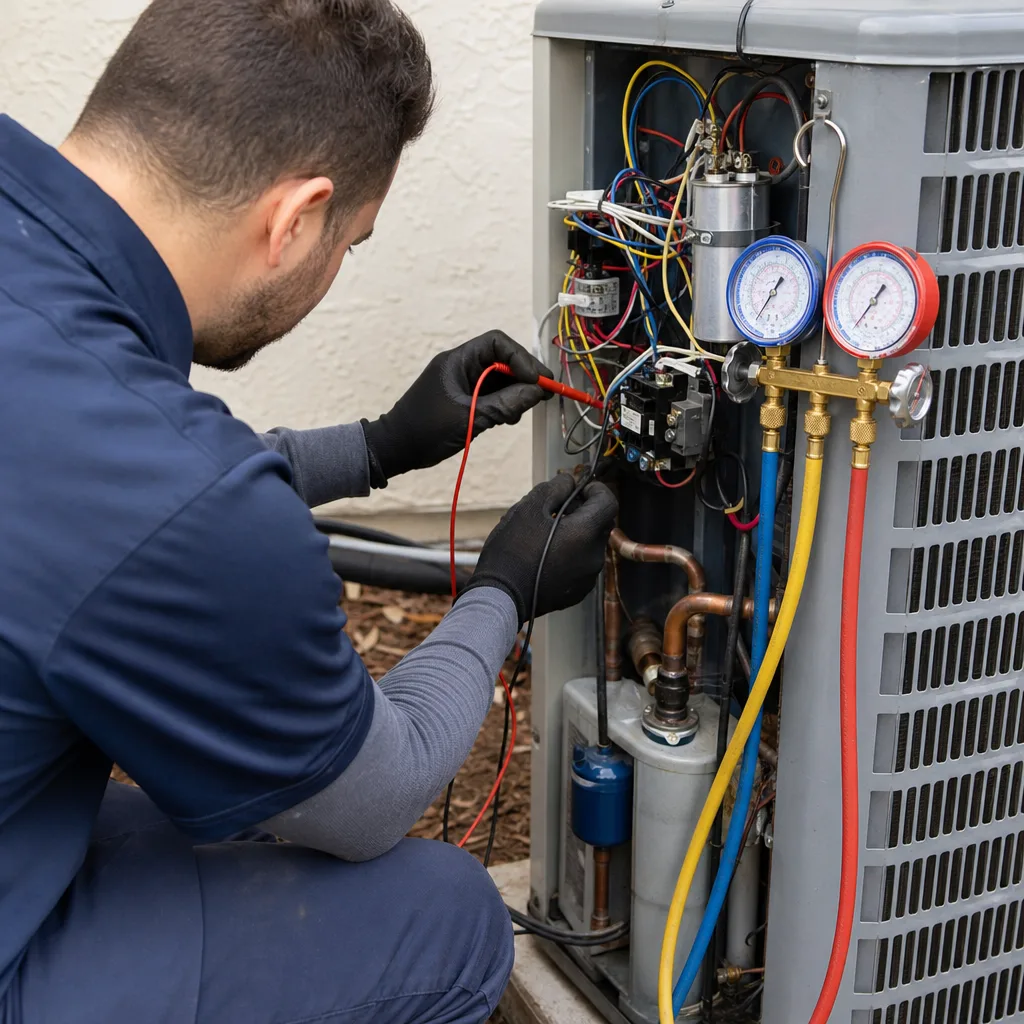
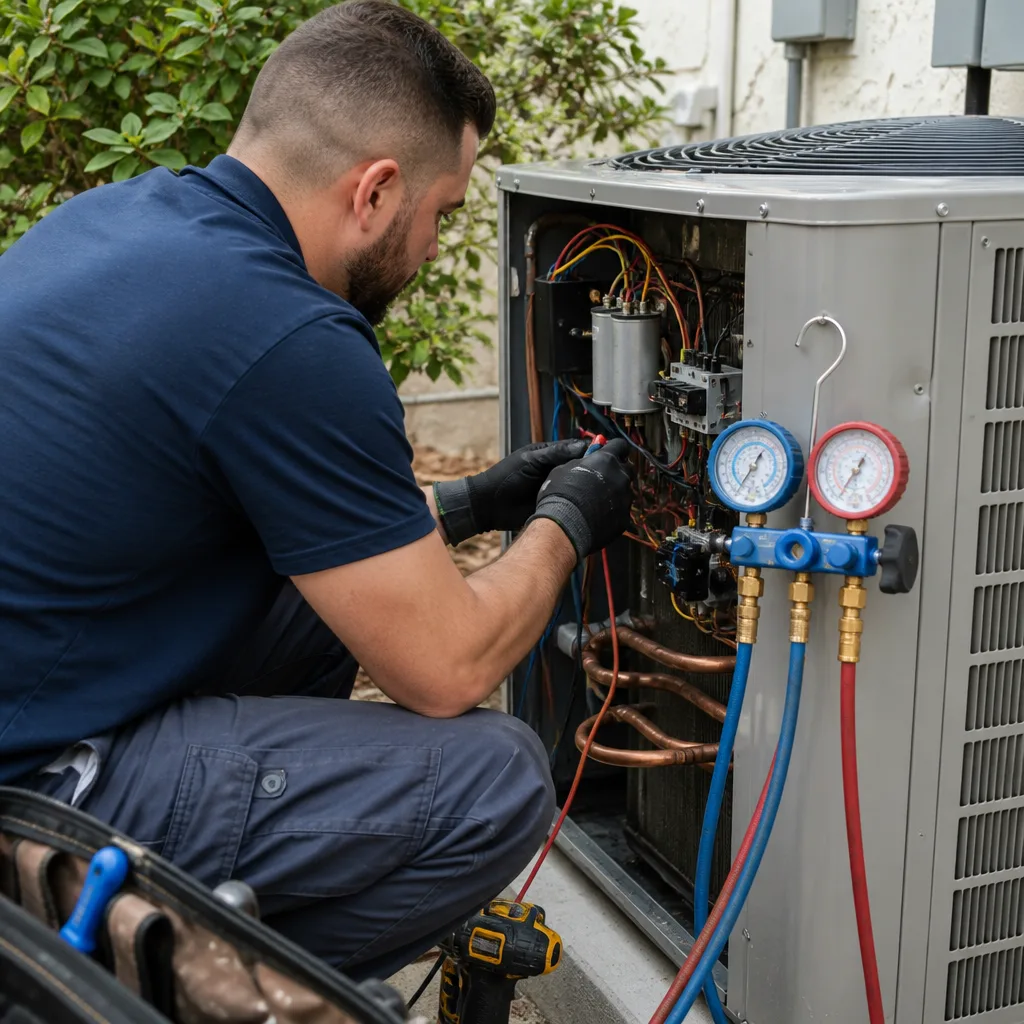
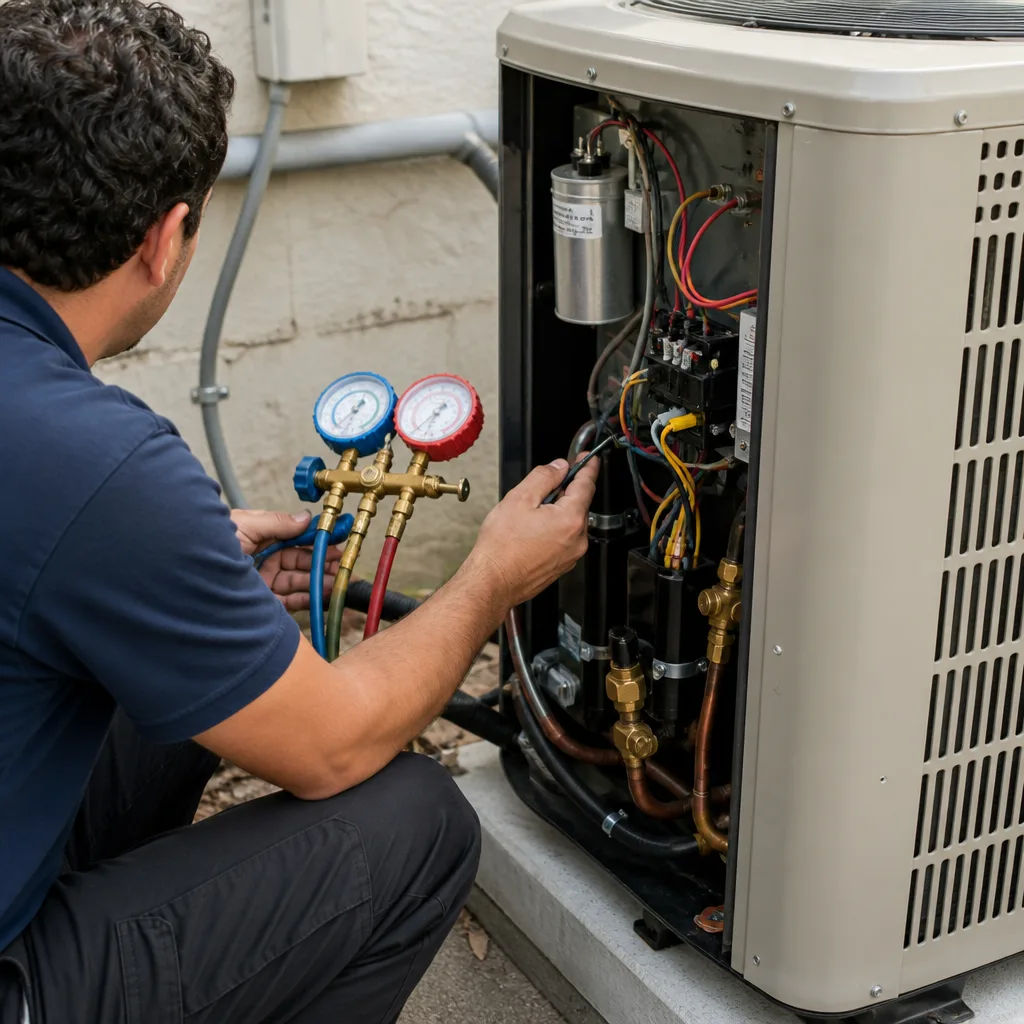
Seasonal tune-up and full diagnostic on your Carrier, Trane, or Goodman system - readings shown to you before any repair is proposed
Diagnosis first, numbers second - you approve the repair price before a single part goes in.
Get your free estimateSeasonal HVAC Care for Fort Lauderdale: Year-Round Homeowner’s Guide
November is the single best month to schedule non-emergency HVAC service in Fort Lauderdale. Technician availability is highest, parts shelves are full, and your system has just finished its hardest run of the year. Most homeowners wait until April, when the same tune-up costs more and wait times stretch to two weeks. This guide explains exactly what to do, when to do it, and why Fort Lauderdale’s two-season climate punishes the generic four-season maintenance schedule you’ll find on most national websites. For a deeper dive into system basics, see our Complete Guide to HVAC in Fort Lauderdale. You’ll learn the April pre-season sequence, the July and August weekly monitoring routine, the November post-season window, and how to keep a performance log that makes every future service call faster and more accurate.
Styles & brands we work with
Quick Answer
Fort Lauderdale HVAC systems need two major service windows per year: a pre-season inspection in April before the cooling load arrives, and a post-season service in November after it ends. Between those windows, homeowners should change filters monthly, monitor condensate drainage weekly during peak humidity, and test heating mode once in January before a cold front arrives, not during one. A seasonal maintenance visit in Fort Lauderdale typically costs $89 to $180 depending on system age and condition, and the November slot is the most cost-effective and least crowded option. Use our AC Repair Maintenance Checklist for Fort Lauderdale Homeowners to prepare.
Table of Contents
- Why Fort Lauderdale’s Two Seasons Break the Generic Maintenance Calendar
- The April Pre-Season Checklist: Seven Steps Sequenced by Failure Risk
- July and August Peak Load: What to Monitor Weekly Without Touching Electrical Components
- The November Post-Season Inspection: Why This Window Matters More Than April
- January and February Heating Check: Testing Heat Mode Before the Cold Front, Not During It
- How to Log System Performance So a Technician Gets a Baseline, Not a Memory
- Common Mistakes to Avoid
- When to Call a Professional
- Frequently Asked Questions
- The Bottom Line
Why Fort Lauderdale’s Two Seasons Break the Generic Maintenance Calendar
Fort Lauderdale doesn’t have four seasons. It has two. The first runs roughly April through October: a high-humidity cooling season where your system may run 14 to 18 hours a day just to hold 78 degrees against 90-degree outdoor air and 70 percent relative humidity. The second runs November through March: a shorter, drier, milder window where deferred maintenance from summer catches up with equipment, usually quietly, usually in the form of a failed capacitor or a corroded drain fitting that nobody notices until April. A generic spring-and-fall maintenance schedule from a national website misses the point entirely. In Fort Lauderdale, the “spring” service should happen in early April, before the first sustained 90-degree day, and the “fall” service should happen in early November, when the system has just finished its hardest run and parts are still fresh on the shelf at the supply house.
We see this pattern every year at Dalton Heating & Air Fort Lauderdale. The April rush brings a wave of no-cooling calls from homeowners who skipped November service, and the November calls we take are almost always smaller, cheaper repairs than the April failures. The reason is simple: a system that gets inspected in November still has four to five months of light duty ahead of it, which means any marginal part gets replaced before it fails under peak load. A system that skips November inspection gets discovered by failure in April, when it’s 91 degrees outside and every technician in Broward County has a two-week backlog. The two-season calendar protects the equipment and your schedule.
The April Pre-Season Checklist: Seven Steps Sequenced by Failure Risk
By mid-April in Fort Lauderdale, the outdoor temperature starts climbing into the high 80s and the indoor humidity follows. This is the moment your air conditioner transitions from occasional use to continuous duty. A pre-season inspection should be scheduled no later than the first week of April, and these are the seven steps that matter, sequenced by the likelihood of failure if they’re skipped. Not sure whether to DIY or call a pro? Read our DIY vs Professional HVAC: The Fort Lauderdale Homeowner’s Decision Guide.
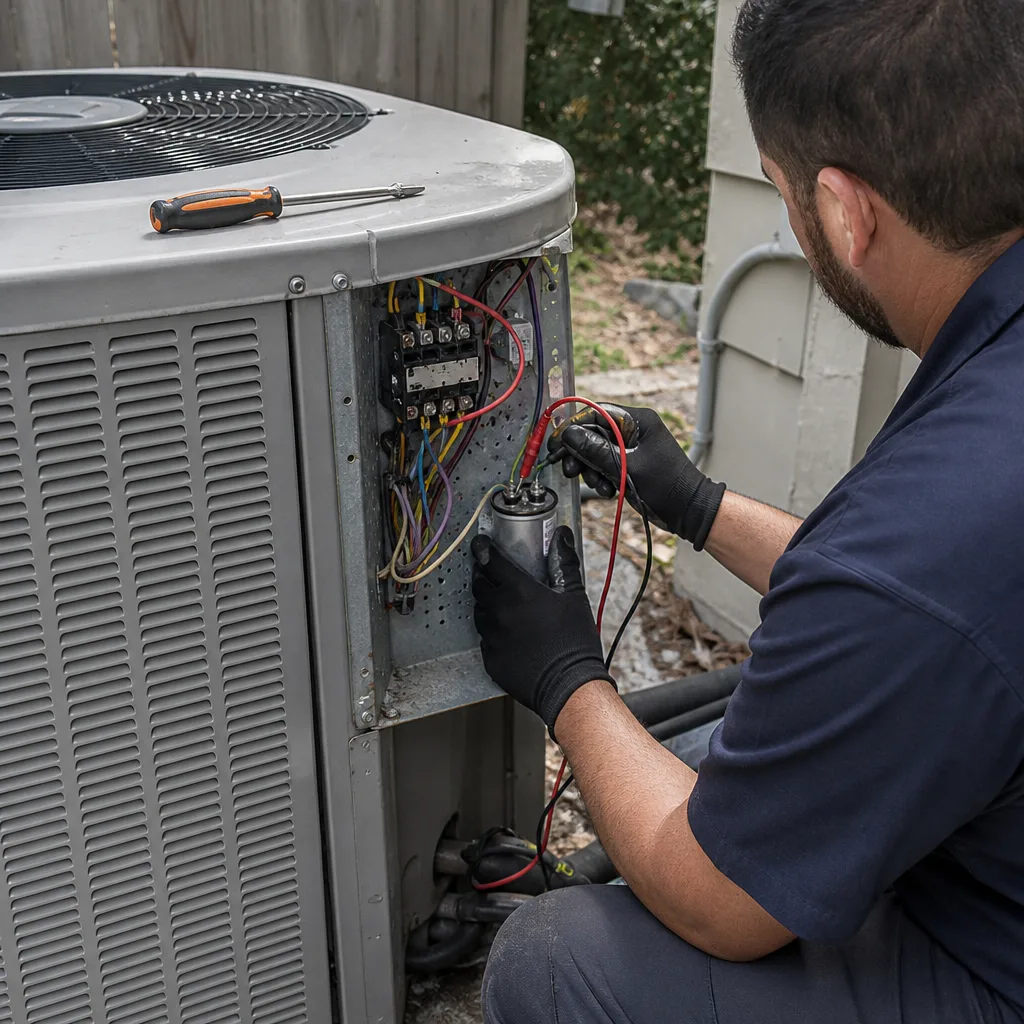
- Capacitor test under load. The capacitor gives the compressor and condenser fan motor their starting jolt and keeps them running. Fort Lauderdale heat and humidity age capacitors faster than anything else in the system. A capacitor that tests weak in April has a high probability of failing outright by August, and when it fails, you lose cooling on the hottest day of the year. Getting this tested before peak season costs less than an emergency call in July. Most AC repairs in Fort Lauderdale involve a failed capacitor or a closely related electrical component, and an April test catches most of them before they strand a homeowner.
- Refrigerant charge verification. Refrigerant is the cooling fluid your system uses to move heat from inside to outside. An undercharged system runs longer, cools less, and drives up the electric bill. A system that is 10 to 15 percent low on refrigerant may not show obvious symptoms until outdoor temperatures hit 90, at which point it simply cannot reach setpoint. Checking the charge in April gives a technician time to find and repair a slow leak before the cooling season begins, not after the first no-cooling call of the year.
- Condensate drain line inspection and cleaning. Fort Lauderdale humidity creates gallons of condensate every day during cooling season. The drain line carries that water away from the indoor coil and out of the house. Algae and biofilm grow inside the line during the mild winter months when the system runs less, and an April inspection catches clogs before they back up into the drip pan and onto your ceiling. A clear drain line in April prevents the single most common source of water damage in Fort Lauderdale homes with central air.
- Evaporator and condenser coil inspection. Dirty coils reduce heat transfer and force the compressor to work harder. The outdoor condenser coil collects salt, grass clippings, and wind-blown debris all winter. The indoor evaporator coil collects dust and biological growth if the filter was neglected. An April coil inspection confirms both coils are clean enough to handle peak load, and if they are not, cleaning them in April is cheaper than a compressor replacement in August.
- Air filter replacement or upgrade. Fort Lauderdale HVAC systems run long hours, which means filters load up faster here than they do in cooler climates. A clogged filter restricts airflow, reduces cooling capacity, and increases run time. Swapping in a fresh filter in April sets the baseline, and from there the filter should be checked monthly during cooling season. In our AC Repair in Fort Lauderdale work, a filter that has not been changed is one of the most common fixed items on a service ticket.
- Thermostat calibration and schedule review. A thermostat that reads two degrees high or low changes everything about how the system cycles. An April check confirms the thermostat is reading accurately and that the schedule matches how the house is actually occupied. This is also the time to review whether a programmable setback is saving money or forcing longer recovery runs that erase the savings.
- Electrical connection torque check. Loose electrical connections create heat, and heat creates resistance, and resistance eventually creates failure. An April torque check on the contactor, capacitor terminals, and disconnect box catches loose connections before they arc and damage a component. This is a five-minute check that prevents a category of failure that is expensive and sometimes dangerous.
July and August Peak Load: What to Monitor Weekly Without Touching Electrical Components
Fort Lauderdale’s July and August are the stress test. Systems run 16 to 18 hours a day, outdoor humidity sits above 70 percent, and every component operates at the edge of its design envelope. This is when homeowners should be watching their systems, not working on them. These are the weekly monitoring points that catch developing problems before they become failures.
- Condensate pan and drain line. Look at the indoor air handler once a week. If the pan under the coil holds water, or if water is visible in the drain line, the system is not draining correctly. This is often the first sign of a developing clog, and catching it mid-summer beats a ceiling stain in September. Do not add bleach or vinegar to the drain line as a preventive measure; these can damage the PVC and create pinhole leaks. A proper drain line treatment happens during service.
- Filter check. In July and August, a one-inch filter may need to be replaced every three to four weeks, not every 90 days. A four-inch media filter may go two to three months. Pull the filter, hold it up to a light, and if you cannot see light through it, replace it. This is the single highest-leverage homeowner maintenance task in Fort Lauderdale. A dirty filter restricts airflow, which raises the evaporator coil temperature, which causes ice, which causes water damage and compressor strain.
- Supply register temperature. Pick one supply register in a central hallway and one return grille, and note the temperature difference between them on a typical afternoon. A properly charged system in good condition should show a temperature drop of 15 to 20 degrees between the return and supply air. When that split starts to shrink, something is changing: the charge may be dropping, the coil may be dirty, or the compressor may be losing efficiency. Logging this number weekly gives you a trend line, and a trend line is far more useful to a technician than a one-time reading.
- Run time per cycle. On a hot afternoon, time how long the system runs before it satisfies the thermostat. Fort Lauderdale systems typically run 10 to 20 minutes per cycle under normal July conditions. If the system starts running 40 to 60 minutes at a stretch, or if it never shuts off between 2 p.m. and 6 p.m., that is a performance change worth investigating. Short cycling, on the other hand, where the system turns on and off every five to ten minutes, usually points to an electrical or refrigerant problem and warrants a service call.
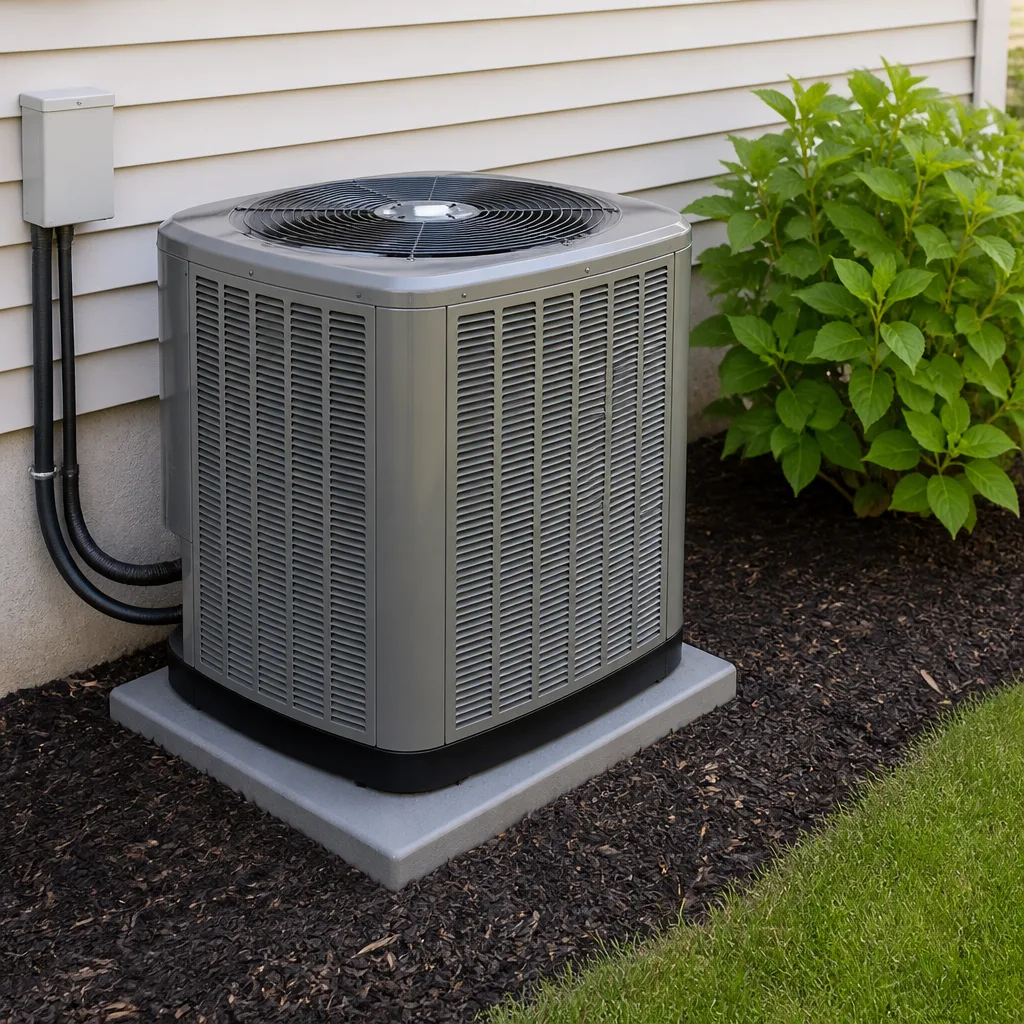
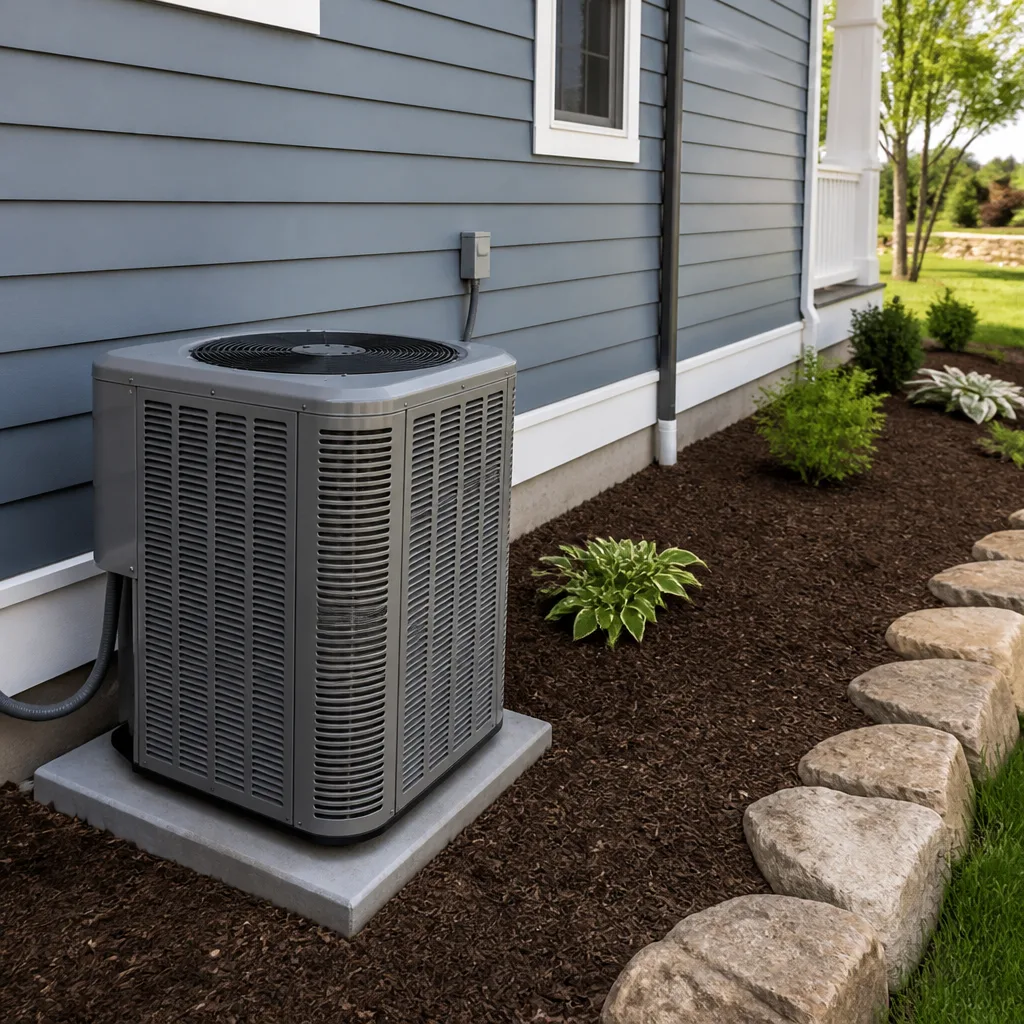
- Outdoor condenser condition. Keep the area around the outdoor unit clear. Trim vegetation back at least 18 inches on all sides, and keep leaves and grass clippings off the coil fins. A condenser that cannot reject heat will drive head pressure up and shorten compressor life. This is a homeowner-appropriate task that requires no tools beyond a garden hose used from outside the cabinet. Never open the condenser cabinet.
We train our technicians to ask for the homeowner’s observations during a July or August visit, and we’ll tell you the same thing here. You do not need to diagnose anything. You need to notice when something changes and call before the change becomes a failure. That one habit prevents a large share of the mid-summer emergency calls we take across Fort Lauderdale.
The November Post-Season Inspection: Why This Window Matters More Than April
The November post-season inspection in Fort Lauderdale is the most underused opportunity in residential HVAC maintenance. By early November, the cooling season has wound down, the system has just completed six months of hard labor, and all the wear patterns from that labor are visible to a technician who knows what to look for. Here is why November beats April on every practical measure.
First, technician availability. The April schedule fills fast because every homeowner in Fort Lauderdale has the same idea at the same time. The November schedule is open. That means a November appointment is easier to get at the time you want, and the technician can spend more time on the diagnostic work instead of racing to the next call. Second, parts inventory. When a November inspection finds a weak capacitor or a failing contactor, the replacement part is almost always in stock locally because demand is low. In April, the same part may be backordered, and an April failure often means waiting two to three days for a component while the house heats up. Third, cost stability. November is the window when a homeowner pays fair market rates for preventive care. The same service in April, when demand spikes, often costs more, and emergency service in July always does.
The specific items that belong in a November post-season inspection are these. Evaporator coil cleaning, which is easier to do completely when the system is not under daily load. Capacitor testing under load, which identifies a component that survived the summer but will not survive another one. Refrigerant charge verification, which confirms the system did not lose cooling fluid over the summer and will be ready for next April. Condensate drain line cleaning and treatment, which removes the summer’s biological growth before it hardens. And heating mode function check, which is the item most Fort Lauderdale homeowners never think to do until a January cold front arrives. The November inspection is the HVAC equivalent of a post-season physical: it finds the problems the season created while there is still time to fix them at a reasonable pace and a reasonable price. Our Dalton Heating & Air Fort Lauderdale home service area includes all of the city’s neighborhoods, and we schedule November work well into December for the homeowners who catch on to this schedule.
January and February Heating Check: Testing Heat Mode Before the Cold Front, Not During It
Fort Lauderdale heating systems rarely run. A typical Fort Lauderdale home may use heat for 40 to 80 hours per year, almost all of it during the two or three cold fronts that push through between December and February. That low usage creates a predictable problem: heating components fail silently, and nobody discovers the failure until the first genuinely cold night, when the system is suddenly needed and it does not start. The fix is to test heat mode in January, on a mild day, before the cold front arrives.
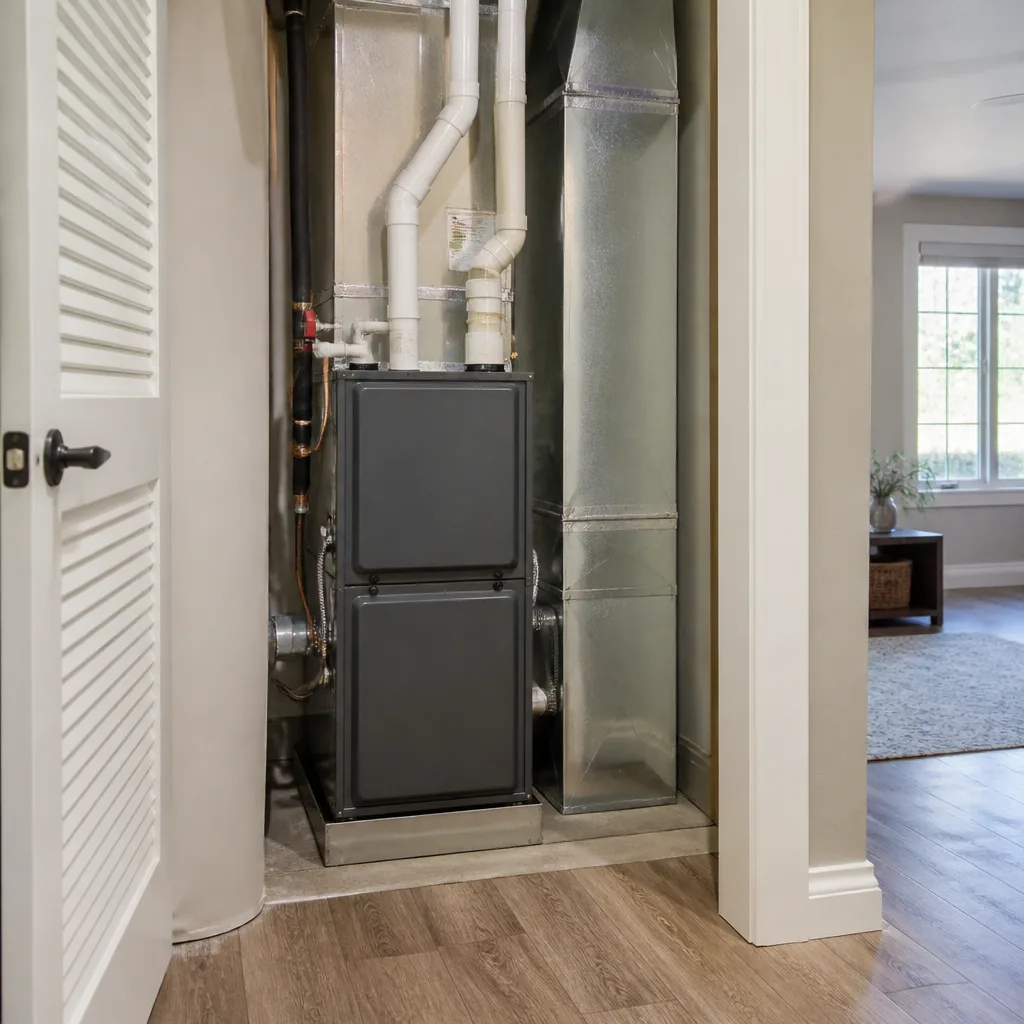
Most Fort Lauderdale homes heat with either electric resistance heat strips in an air handler or a heat pump running in reverse-cycle mode. Heat strips are simple and reliable, but they draw enormous current, and a loose connection or a failed sequencer can disable them completely without warning. A heat pump in heating mode relies on a reversing valve that sits unused for most of the year in a cooling-dominant climate; when that valve sticks, heating capacity drops or disappears. Both of these failure modes are silent for months at a time, and both are discoverable in ten minutes on a January service call.
The January heating check should be done when the outdoor temperature is above 55 degrees, which is most January days in Fort Lauderdale. A technician will energize the heating system, confirm the heat strips or reversing valve are operating, check the temperature rise across the air handler, and verify that the emergency heat function works if the system has it. This is also the right moment to confirm that the thermostat switches correctly between cooling and heating modes, a function that may not have been used since the previous winter. Anyone who has a Heat Pump Installation in Fort Lauderdale on their property should make this January check a fixed part of the calendar, because heat pump heating components are the ones most likely to fail from disuse in a cooling-first climate.
The January heating test works because it happens on a flexible schedule. If the system fails the test, the repair happens on a mild day, with parts on the shelf and no urgency. If you wait until the cold front, the same repair becomes an emergency call on the coldest night of the year, and every other Fort Lauderdale homeowner with a dead heat strip is calling at the same moment. A January test is cheap insurance against the one night when the heating system matters most. Most Furnace Repair in Fort Lauderdale calls we take in January are from homeowners who skipped the test, and almost all of those repairs would have been smaller if they had been caught two weeks earlier.
How to Log System Performance So a Technician Gets a Baseline, Not a Memory
When a technician arrives for a service call, the most useful thing a homeowner can provide is a baseline: the system’s normal behavior under known conditions. Most homeowners cannot provide that. They describe symptoms from memory, and memories are unreliable when the system has been running fine for six months. A simple performance log solves that problem, and it takes less than five minutes per week.
Here is the log we recommend to Fort Lauderdale homeowners, kept in a notebook or a notes app. Once a week, on the same day and at roughly the same time, record four things. First, the supply air temperature at one fixed register, measured with a $10 infrared thermometer or digital probe. Second, the return air temperature at the main return grille, measured the same way. Third, the outdoor temperature, from your phone or a porch thermometer. Fourth, the system run time per cycle, observed over one complete on-off cycle on a typical afternoon. That is four numbers, once a week, and after eight weeks you have a baseline that tells a technician exactly how the system was performing before the problem started.
This log turns a vague complaint like “it seems like it’s not cooling as well” into a precise observation: “the temperature split was 18 degrees in July, it’s 11 degrees now, and the run time has gone from 15 minutes to 40.” That kind of information shortens diagnosis time, which lowers the bill, and it gives a technician confidence that the problem is being caught early. We also tell homeowners to photograph the outdoor condenser and the indoor air handler twice a year, in April and November, so there is a visual record of coil condition and condensate pan state over time. This is the same discipline we use at Dalton Heating & Air Fort Lauderdale when we maintain a system year after year: the written record is what catches slow changes that a single visit would miss.
Common Mistakes to Avoid
- Using the generic spring-fall schedule. Fort Lauderdale systems need a pre-season visit in April and a post-season visit in November. A fall inspection done in September is too early; the system still has six weeks of hard running ahead. A spring inspection done in March is too early for the same reason. The local calendar is two months offset from the national calendar.
- Ignoring the condensate line until there is water damage. The condensate drain in a Fort Lauderdale home moves gallons of water per day during cooling season. By the time a clog shows up as a ceiling stain or a wet air handler closet, the damage is done. Weekly visual checks during summer and a cleaning each November prevent the problem entirely.
- Assuming the heating system works because it worked last year. Heat strips and reversing valves in Fort Lauderdale sit unused for months at a time, and they fail silently. Testing in January, on a mild day, is the only way to know the heat will work when a cold front arrives.
- Running the system with a dirty filter to save money. A clogged filter raises the evaporator coil temperature, which can freeze the coil, which sends water into the pan and the floor, and it forces the compressor to run longer and hotter. A $10 filter replaced monthly costs far less than the repair it prevents. This is the highest-return maintenance dollar in Fort Lauderdale.
- Waiting until April to schedule service. The April rush is real. Every homeowner in Fort Lauderdale calls for AC service the same week the temperature hits 90, and the result is longer waits and higher prices. The November schedule is open, and the same service is cheaper because demand is not spiking.
- Adding chemicals to the condensate drain line. Bleach, vinegar, and drain cleaners degrade PVC fittings and create leaks. The way to treat a Fort Lauderdale drain line is with a proper flush during service, not a home chemical treatment.
- Calling for a repair without a price in writing first. On any service call, the price should be in writing before any work starts. If a company will not put the price on paper, do not let them start. In Fort Lauderdale, where the cooling season creates desperation, this one habit protects homeowners from door pricing that shifts after the work begins.
When to Call a Professional
Homeowners should handle filter replacement, condensate pan observation, outdoor unit clearance, and the weekly performance log. Everything else belongs to a trained technician. If the temperature split drops below 12 degrees, if the system short cycles, if the condensate pan holds water, if you see ice on the indoor coil or the refrigerant lines, or if the system makes a sound you have not heard before, stop watching and call someone who can diagnose it safely. The electrical components inside an air handler and condenser carry enough current to kill, and refrigerant must be handled by a licensed professional under federal regulations. Dalton Heating & Air Fort Lauderdale offers free estimates throughout Fort Lauderdale, and every job carries the same terms: a written price before any work starts, a written guarantee on every repair, and a full-year commitment that if the repair is not done right, we make it right. Call (754) 354-6972 to schedule an inspection.
Frequently Asked Questions
A seasonal HVAC maintenance visit in Fort Lauderdale typically costs $89 to $180 for a basic inspection and service, depending on system age, system type, and the scope of work included. Visits that include coil cleaning, drain line treatment, and a written performance report run at the higher end of that range. The November visit is often the same price or slightly less than the identical April visit because demand is lower. Call (754) 354-6972 for a written quote on your specific system, and expect the price in writing before any work begins.
In Fort Lauderdale, a standard one-inch filter should be replaced every 30 to 45 days during the cooling season, from April through October, because systems run long hours and the air carries more particulate than in drier climates. A four-inch media filter can typically go 60 to 90 days. During the milder winter months, replacement every 60 to 90 days is usually sufficient. Check the filter monthly regardless of type, and replace it when light no longer passes through it.
Constant running during Fort Lauderdale’s July and August peak is usually caused by one of three things: an undersized system for the home’s cooling load, a refrigerant charge that has dropped below specification, or dirty coils and filters that reduce heat transfer. A correctly sized and properly maintained system should cycle 10 to 20 minutes at a time, even on hot afternoons. If the system runs 40 to 60 minutes or never shuts off between 2 p.m. and 6 p.m., that is a performance change worth a service call. Most of these issues are repairable, and the repair is cheaper when caught early.
Repair is usually the right call when the system is under 10 years old, the repair costs less than a third of replacement cost, and the system holds its charge and cools normally otherwise. Replacement is usually the right call when the system is over 12 to 15 years old, the repair involves a compressor, or the system has failed multiple times in a single season. In Fort Lauderdale’s salt air and high humidity, outdoor condensers age faster than they do inland, and a 15-year-old coastal system often costs more to keep running than a new one would save. Get a written diagnosis and a written price for both options, then decide with real numbers.
A maintenance plan is worth the cost in Fort Lauderdale because the cooling season is long and the humidity is high, which accelerates wear on capacitors, contactors, coils, and drain lines. A plan that includes two seasonal visits per year, priority scheduling, and a discount on repairs typically pays for itself through avoided diagnosis fees and longer equipment life. The key is making sure the plan includes the specific items in this guide: capacitor testing, drain line treatment, coil inspection, and refrigerant verification. A plan that skips those items is a paper plan. For more guides & resources, visit our blog.
Dalton Heating & Air Fort Lauderdale services all nine major residential HVAC brands: Carrier, Trane, Lennox, Goodman, Rheem, York, Daikin, Bryant, and American Standard. That covers the overwhelming majority of systems installed in Fort Lauderdale homes, and it means a homeowner rarely has to call a different company because of the name on the outdoor unit. Factory-trained technicians handle the specific control sequences and service procedures for each brand, and the written guarantee applies identically across all of them. Call (754) 354-6972 with your brand and model number and get a written service quote.
The Bottom Line
Fort Lauderdale’s two-season climate requires a two-visit maintenance calendar: one pre-season inspection in April, before the cooling load hits, and one post-season inspection in November, when the system has just finished its hardest run and the schedule is open. Between those visits, monthly filter changes, weekly condensate checks during peak humidity, and a simple performance log give a technician a baseline instead of a memory. Testing heat mode in January catches silent failures before a cold front arrives, and skipping the generic spring-fall schedule prevents the April rush and the July emergency. Dalton Heating & Air Fort Lauderdale manages this calendar for homeowners across the city, with written pricing, a written guarantee on every repair, and a full-year commitment to make it right. Call (754) 354-6972 to schedule your next seasonal visit.
Written by Marco Benitez, Owner at Dalton Heating & Air Fort Lauderdale, serving Fort Lauderdale since 2003.
See the difference
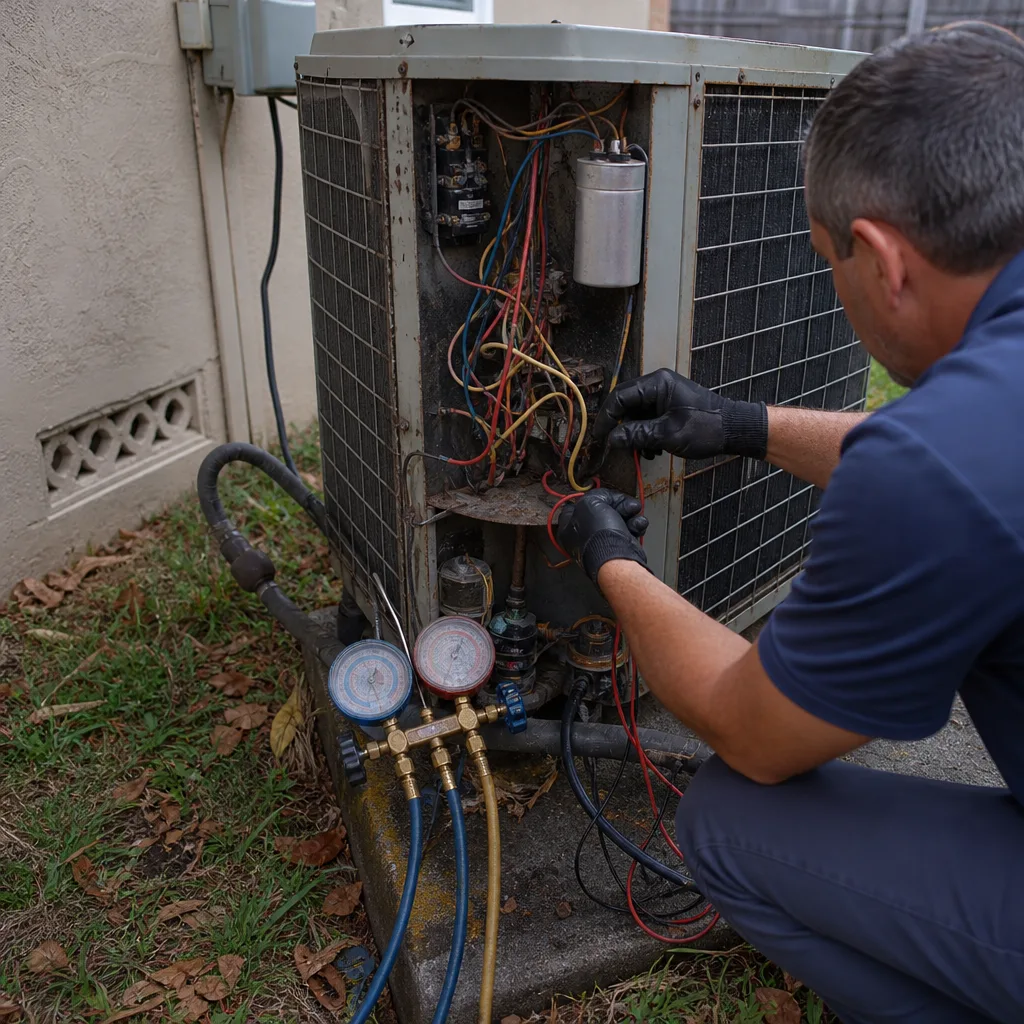 Before
 After
After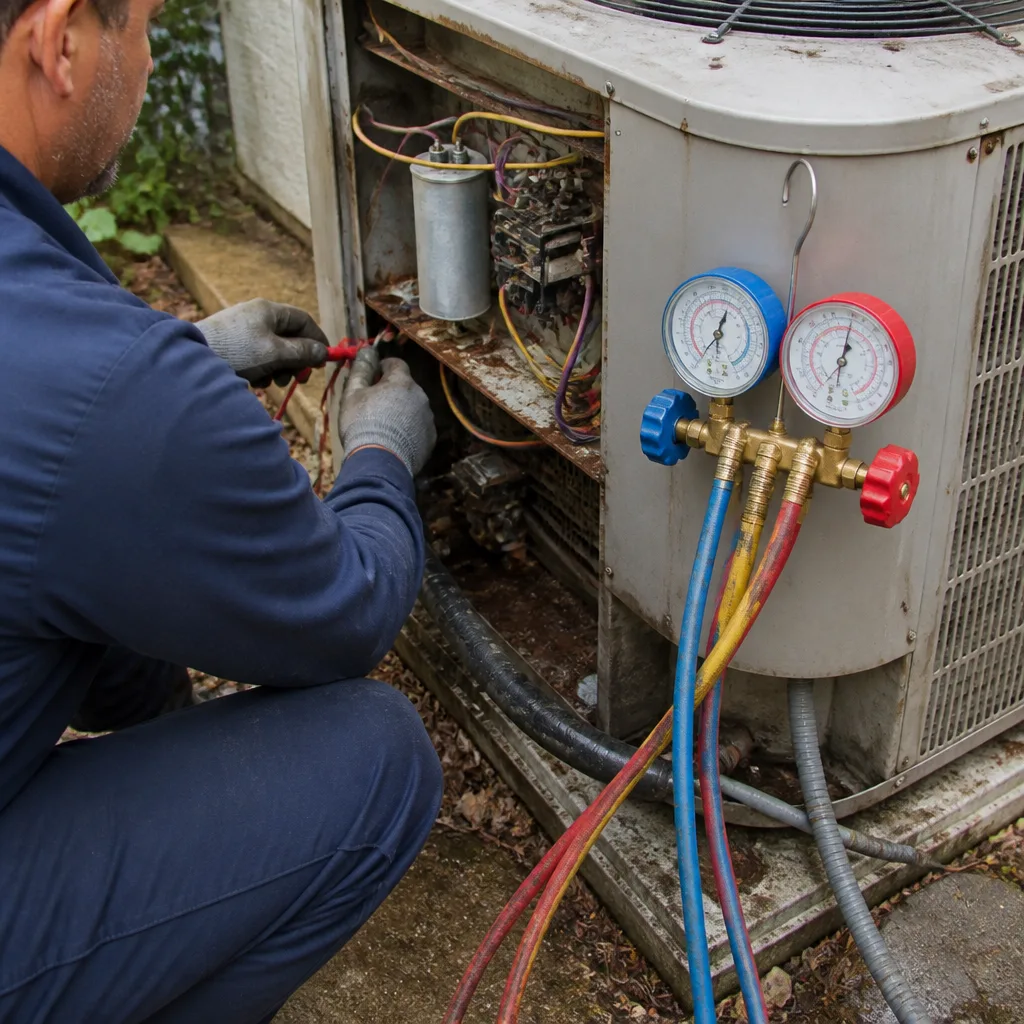 Before
 After
After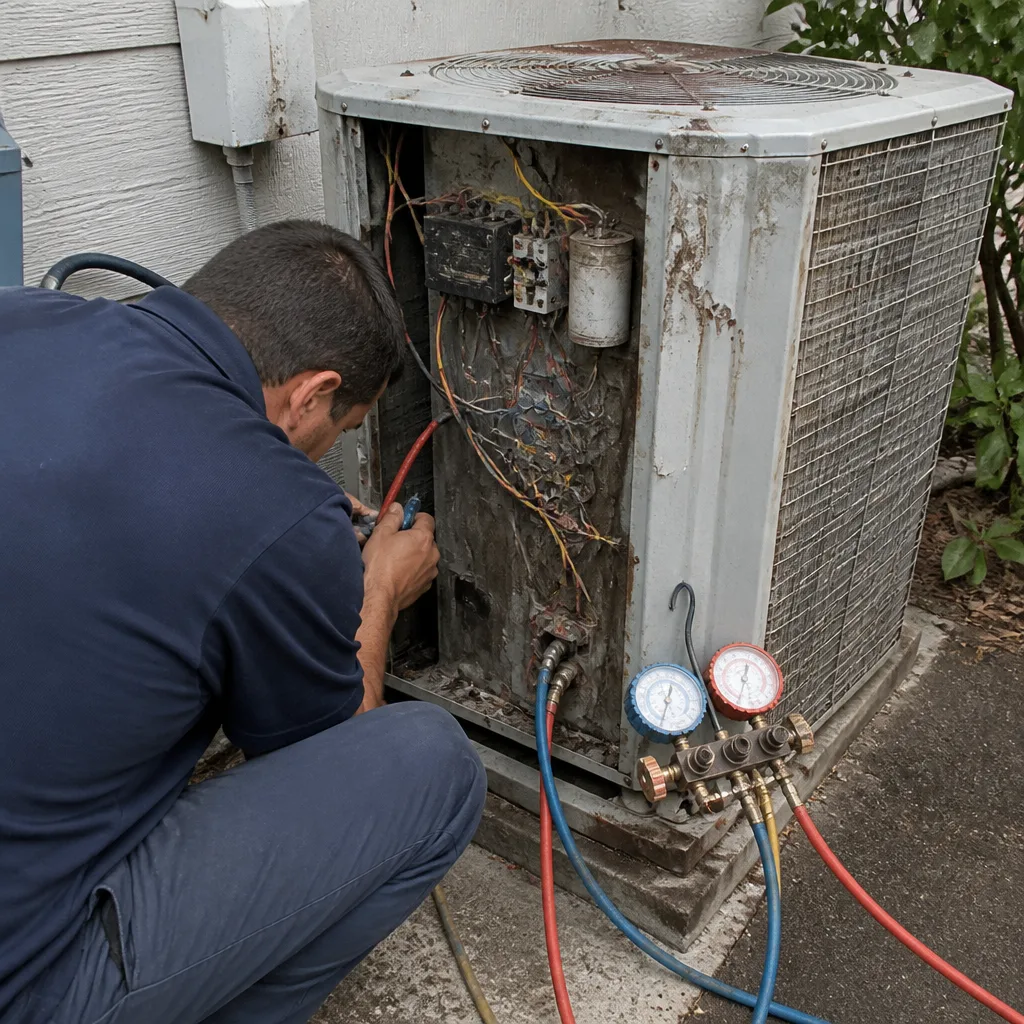 Before
 After
After