
Last updated October 16, 2026
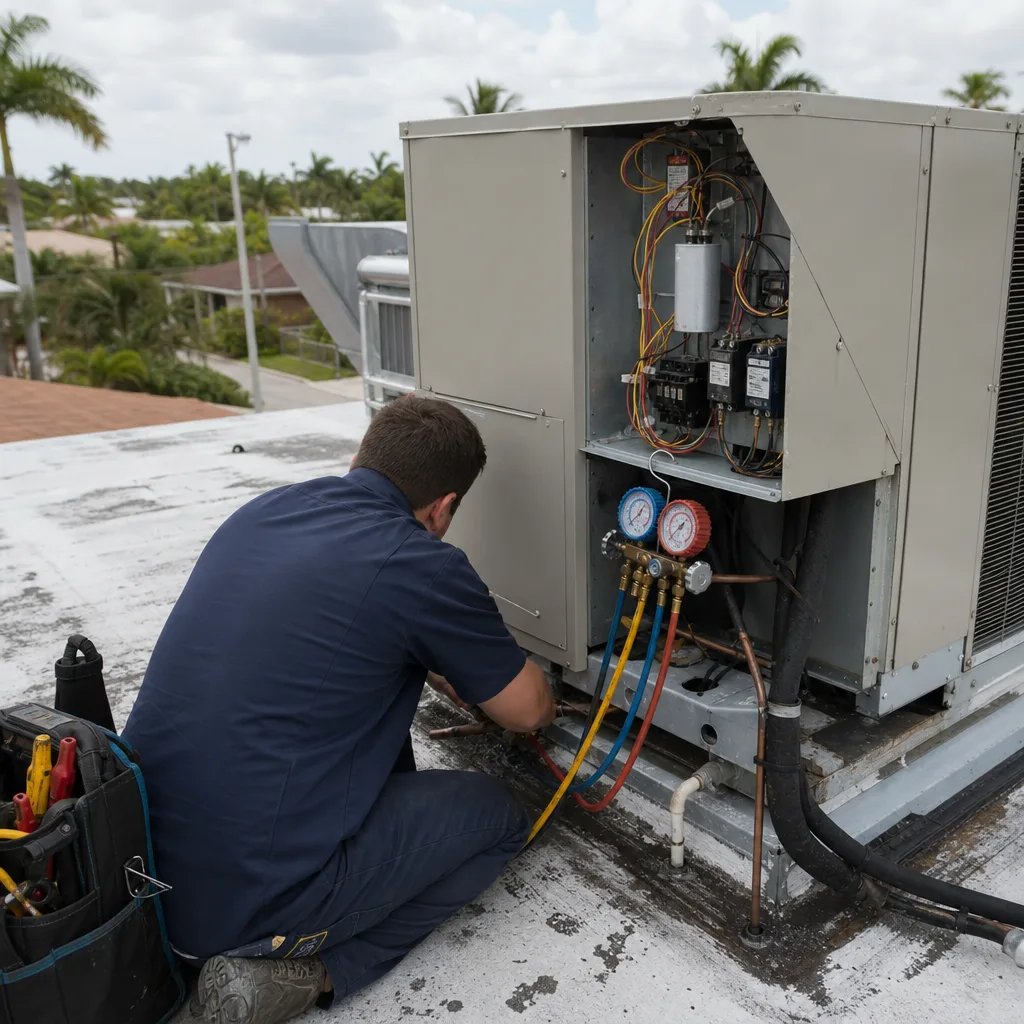
 AC repair
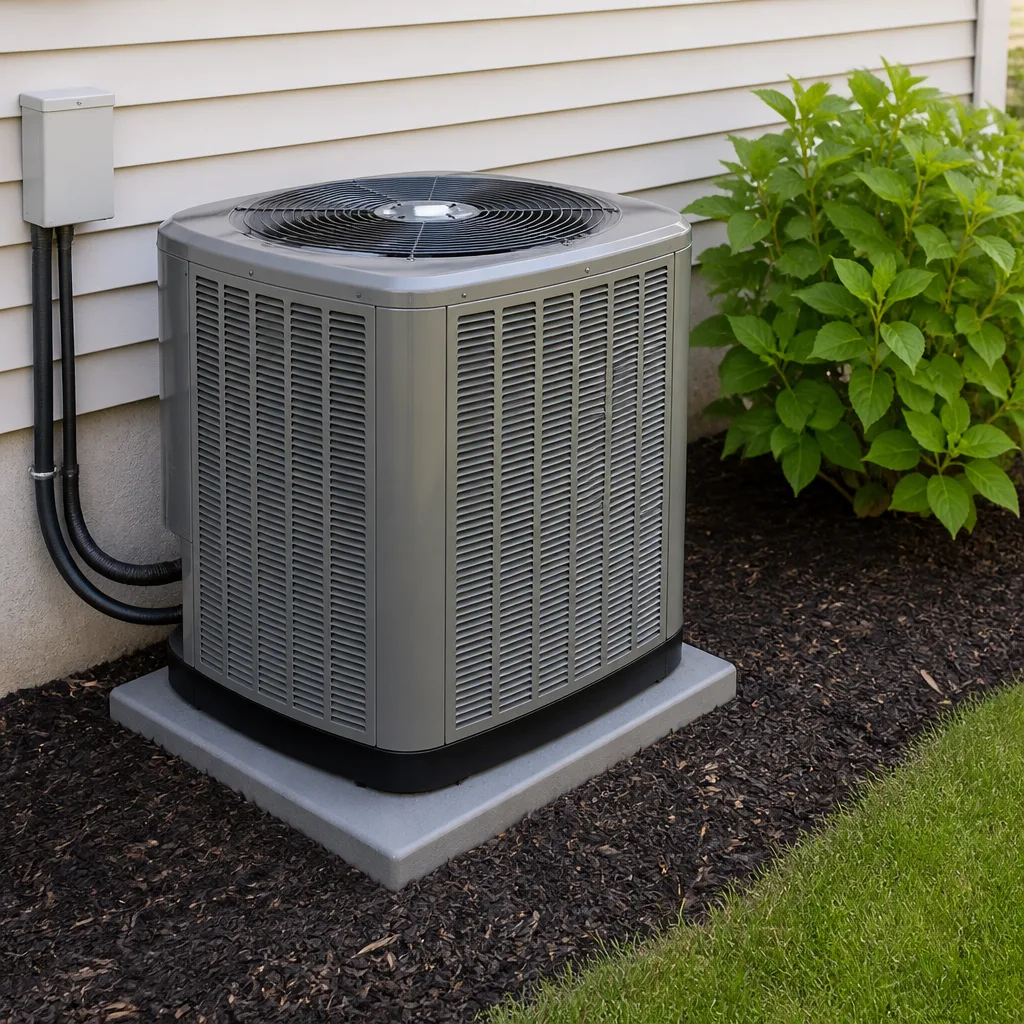
 Furnace & heating
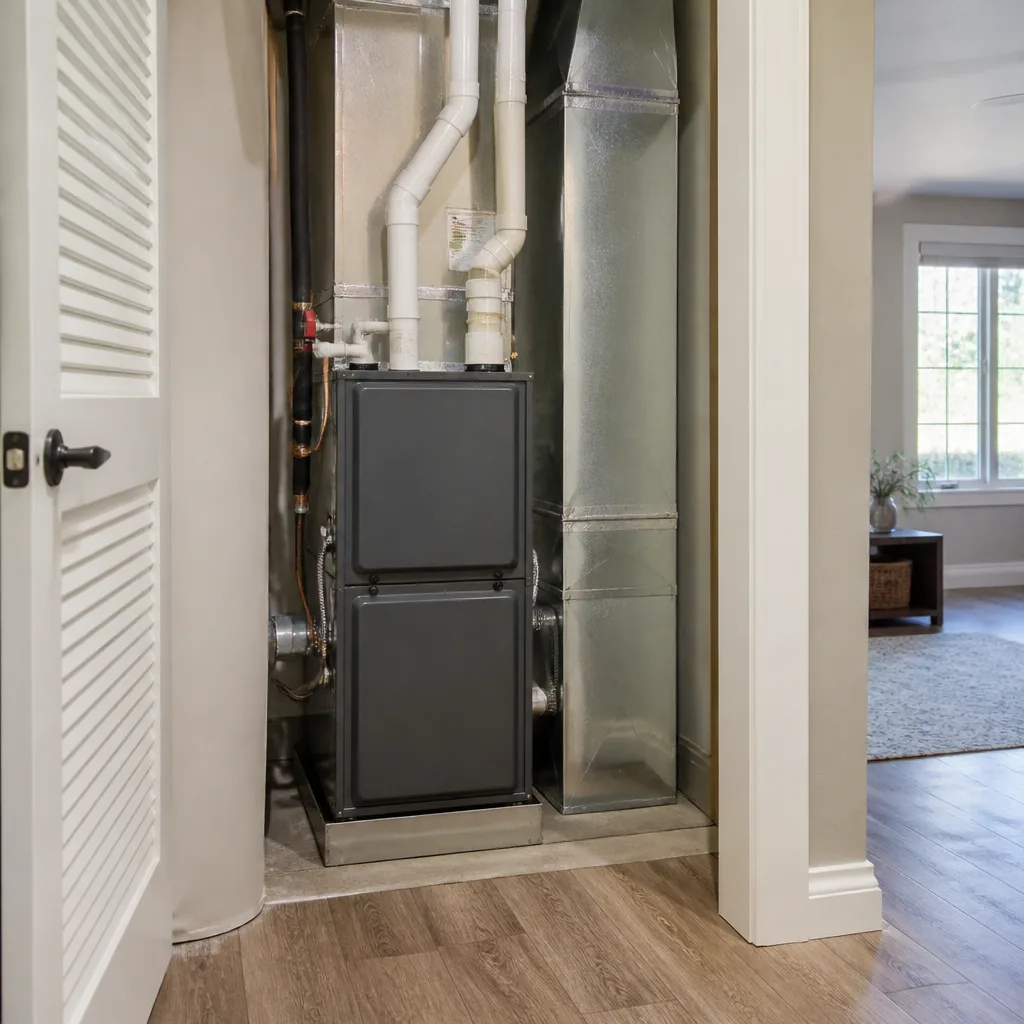
 Heat pumps
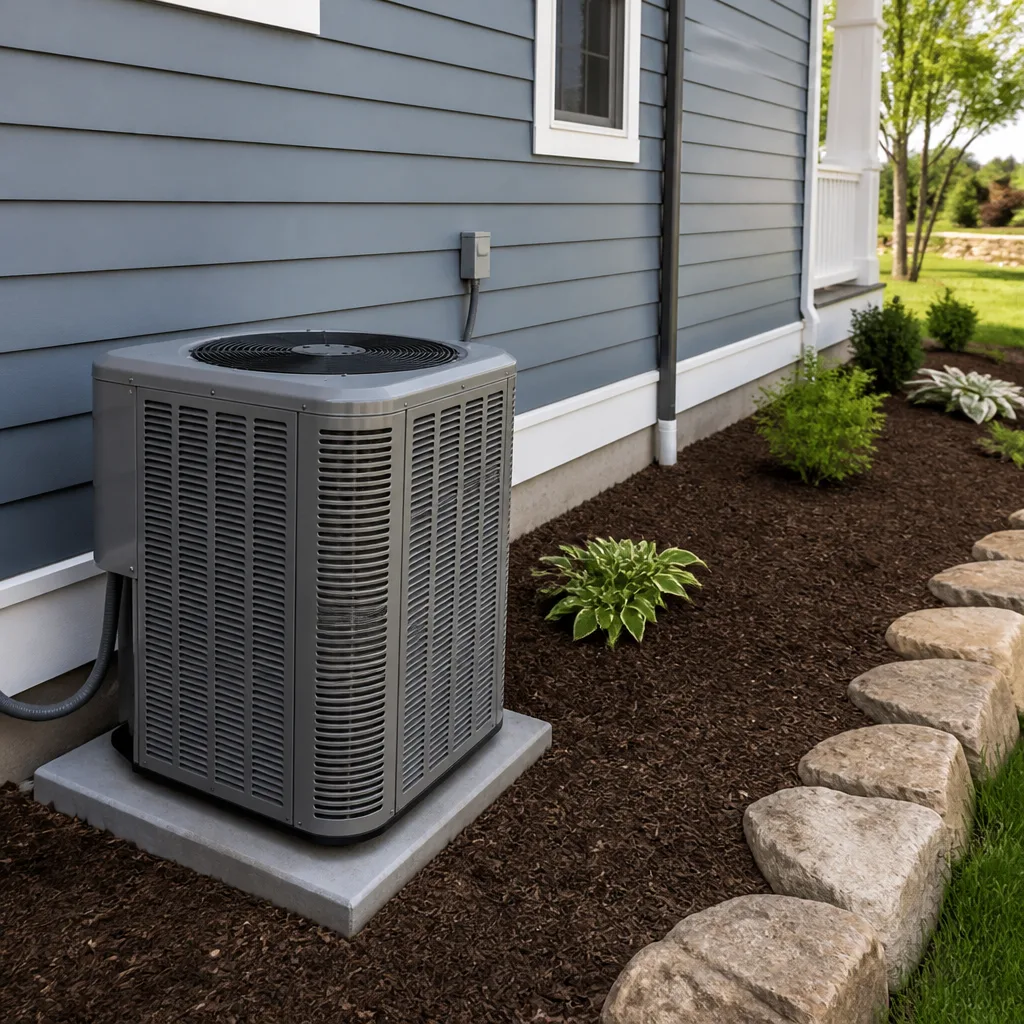
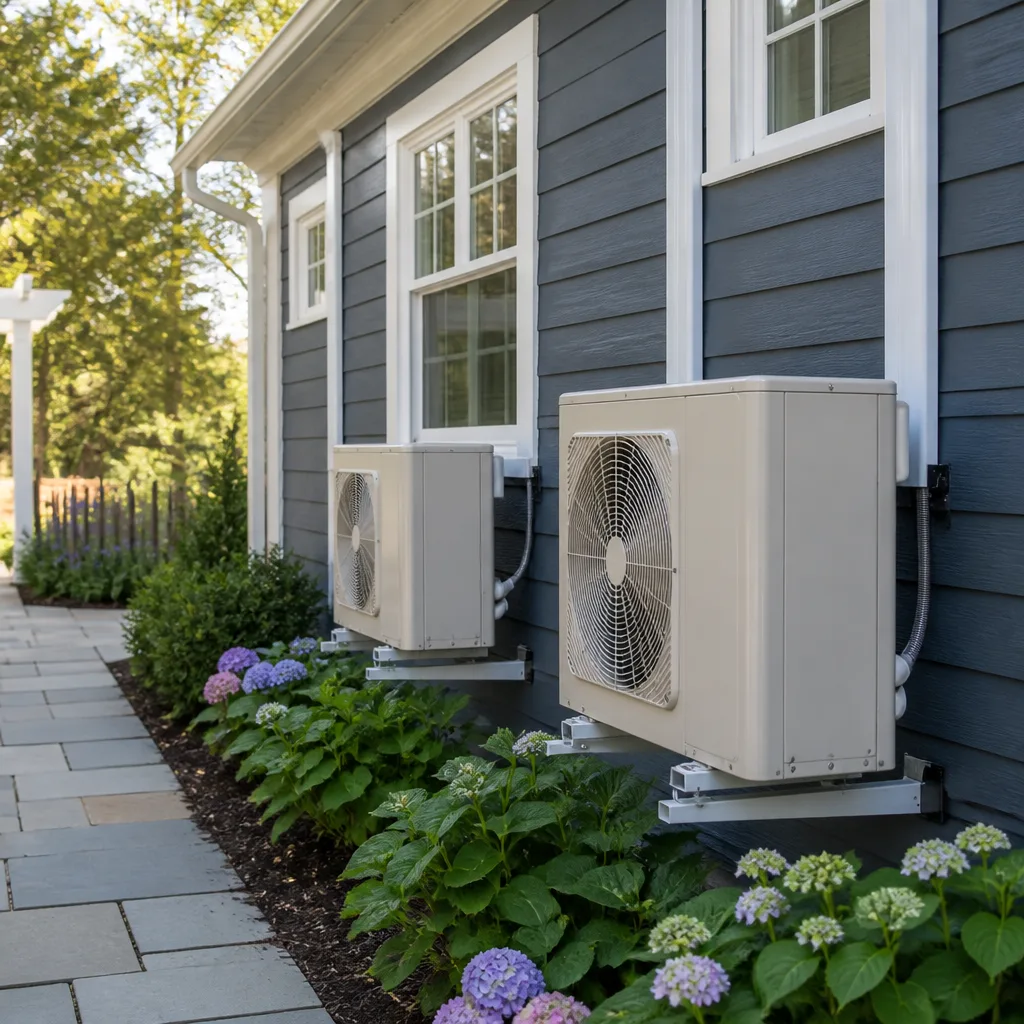 Ductless mini splits
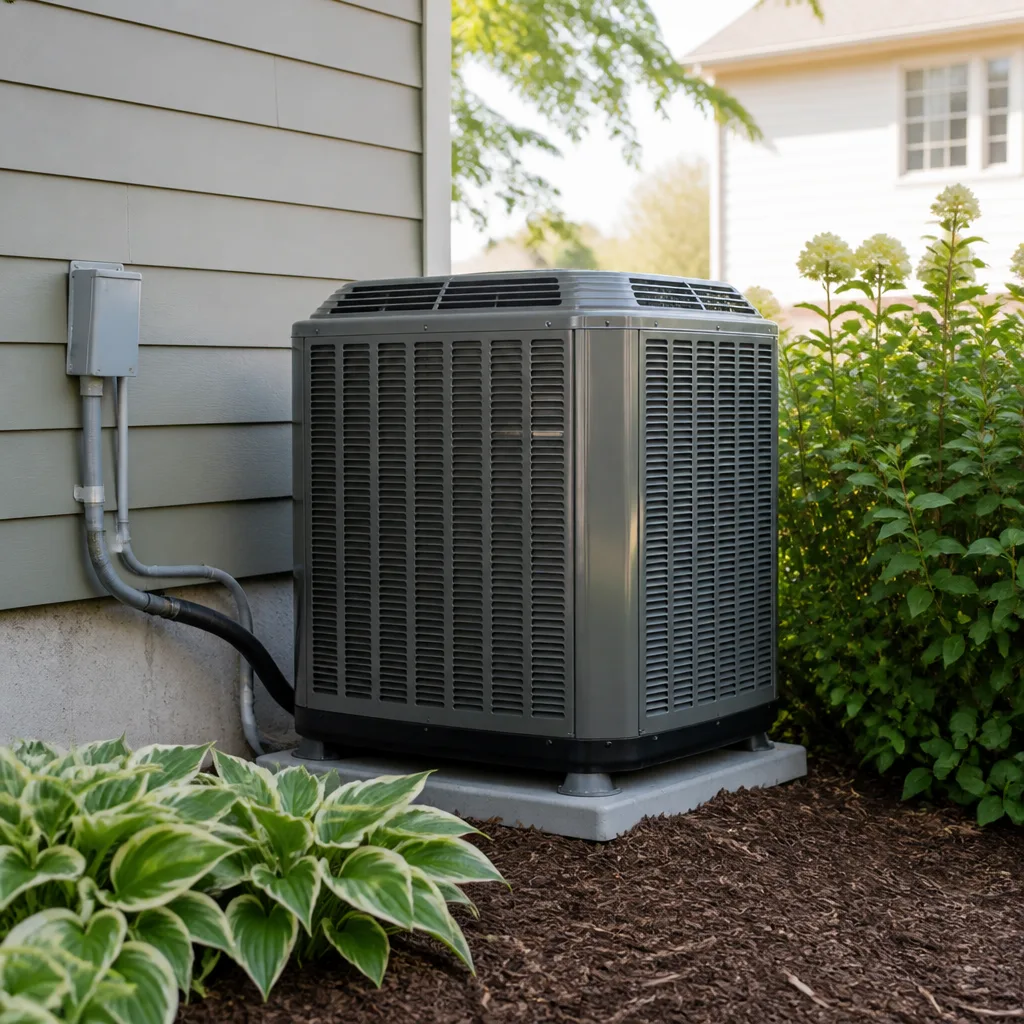 Trane
Trane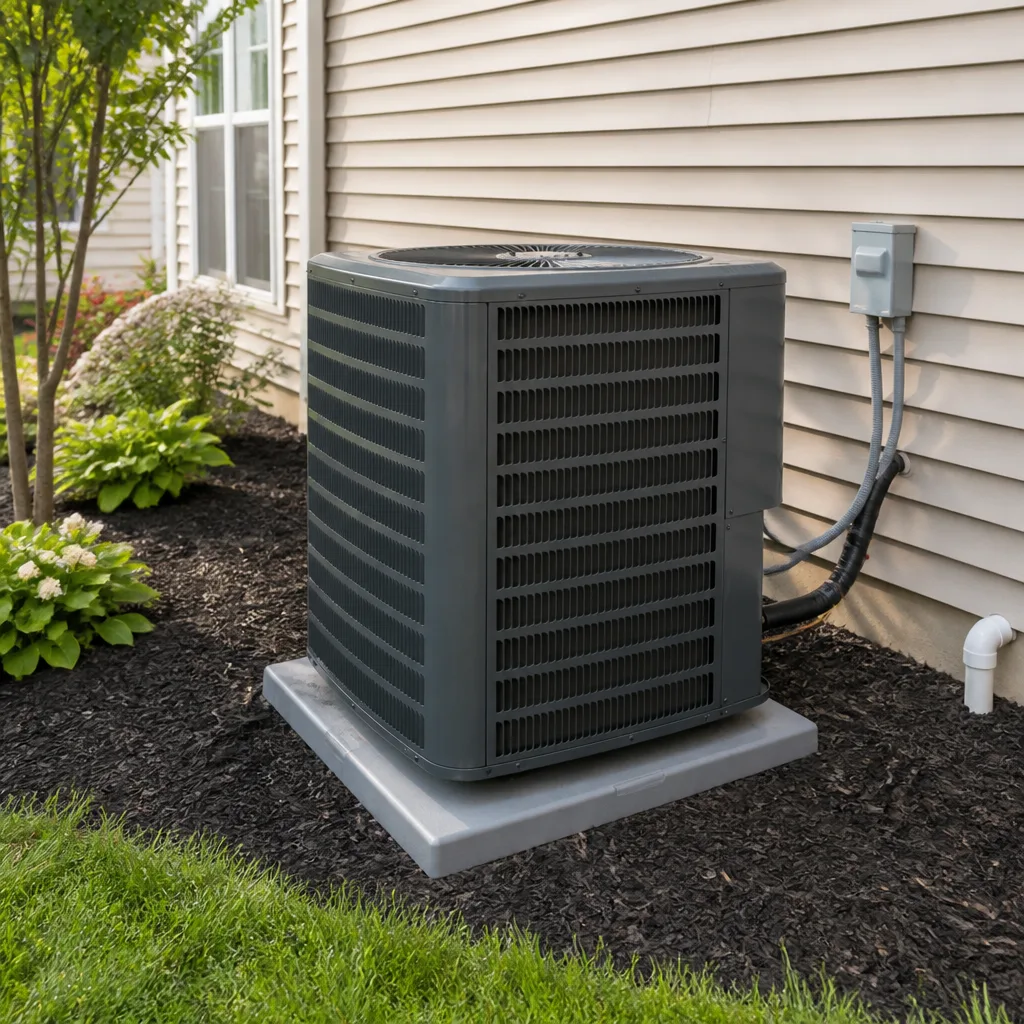 Goodman
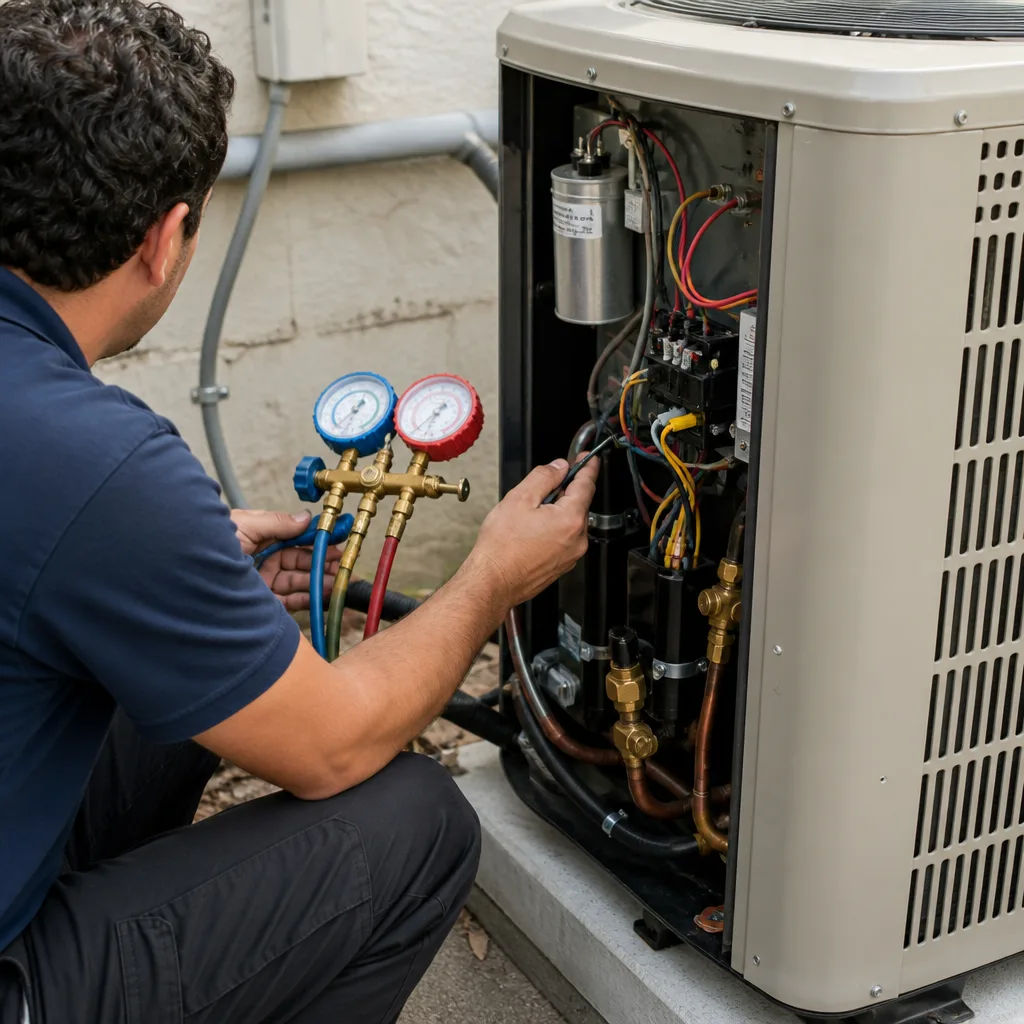
Seasonal tune-up and full diagnostic on your Carrier, Trane, or Goodman system - readings shown to you before any repair is proposed
Diagnosis first, numbers second - you approve the repair price before a single part goes in.
Get your free estimateHVAC Cost Breakdown: The Fort Lauderdale Homeowner’s Reference for 2026
A $4,200 AC replacement quote and a $6,800 quote for the same Trane 3-ton, 16 SEER2 system can both be legitimate – or one can be padding and the other can be missing a $450 permit, a $300 disconnect, and a required refrigerant line set replacement. The number means nothing without the itemization. This guide breaks down every line item on a Fort Lauderdale HVAC quote in 2026: what your equipment costs at wholesale, what labor should run in Broward County, which add-ons are required by HVAC Permits, Codes & Inspections in FL: What You Need to Know, and which ones are optional upgrades worth weighing against the cost of skipping them. By the time you finish, you’ll read an HVAC quote the way a technician does.
Quick Answer
A full HVAC system replacement in Fort Lauderdale typically runs $7,500 to $14,000 in 2026 depending on tonnage, efficiency rating, and brand. A 3-ton, 16 SEER2 single-stage system from a major brand like Trane, Carrier, or Lennox usually lands between $8,500 and $11,500 installed. The spread comes from equipment markup, permit fees, duct modifications, and the labor rate for the specific contractor – not from mystery pricing, but from line items most homeowners never see itemized.
Styles & brands we work with
Table of Contents
- What Equipment Actually Costs: Wholesale Prices by Tonnage and SEER2
- Fort Lauderdale Labor Benchmarks: What Installation Should Run
- Non-Negotiable Line Items: Florida Code, Permits, and Recovery Fees
- Salt Air and Corrosion: The Real Five-Year Cost of Skipping Protection
- Financing Transparency: What Same-As-Cash Actually Costs
- Repair vs. Replace: The Decision Framework for 2026
- Common Mistakes to Avoid
- When to Call a Professional
- Frequently Asked Questions
What Equipment Actually Costs: Wholesale Prices by Tonnage and SEER2
Before a single hour of labor is billed, your contractor is buying equipment at wholesale. Knowing those numbers changes how you read a quote. Here is what the four brands most common in Broward County cost a contractor in 2026, before markup, for the outdoor condenser, indoor air handler, and standard installation materials:
- Trane 3-ton, 16 SEER2 single-stage: $4,100 to $4,600 wholesale
- Carrier 3-ton, 16 SEER2 single-stage: $3,800 to $4,400 wholesale
- Lennox 3-ton, 16 SEER2 single-stage: $3,700 to $4,200 wholesale
- Daikin 3-ton, 16 SEER2 single-stage: $3,400 to $3,900 wholesale
Step up to a 5-ton system and add roughly $900 to $1,300 across those brands. Go from 16 SEER2 to 20 SEER2 on a 3-ton and expect $1,800 to $2,600 more in equipment cost alone. SEER2 is the current federal efficiency metric – the higher the number, the less electricity per unit of cooling, and the more the equipment costs up front.
The markup from wholesale to the price on your quote usually runs 40 to 100 percent depending on the contractor’s overhead, warranty processing, and whether they stock inventory or order per job. A company carrying its own warehouse and paying its technicians hourly with benefits will mark up higher than a one-truck operation running from a garage. That markup is not a ripoff – it’s how the company absorbs the cost of a failed compressor under warranty, a callback at 2 a.m., and a truck stocked with $12,000 in parts. In Fort Lauderdale specifically, overhead runs higher than inland Florida because commercial rents in Broward County are steep and because hurricane-window and roof code compliance applies to commercial buildings too. When you see a quote for a 3-ton Daikin at $8,900 installed, that’s a 55 to 65 percent markup over wholesale – a reasonable number. When you see the same system at $12,500, ask for the line items.
One more number worth knowing: Goodman, Rheem, and York systems typically run 15 to 25 percent below Trane and Carrier at the same tonnage and efficiency. That is not a quality statement – Goodman and Rheem equipment has improved substantially over the last decade – but the brand premium is real, and it shows up in wholesale pricing. If a contractor quotes you a Goodman system at Trane prices, that’s a flag. If they quote it honestly at Goodman prices, you’re looking at a system that might cost $6,800 to $8,200 installed for a 3-ton, 16 SEER2 unit in Fort Lauderdale.
Dalton Heating & Air Fort Lauderdale services all nine major residential brands: Carrier, Trane, Lennox, Goodman, Rheem, York, Daikin, Bryant, and American Standard. We write the price before any work starts, and that price includes the equipment, the labor, the permit, the recovery, and the warranty registration. No line hidden, no surprise at the door. Our Dalton Heating & Air Fort Lauderdale home page lays out exactly how that pricing process works.
Fort Lauderdale Labor Benchmarks: What Installation Should Run
Labor is the most variable line item on any HVAC quote, and in South Florida it’s higher than the national average for reasons tied directly to geography. Here is what Fort Lauderdale labor should look like on an itemized job:
- Standard full-system replacement, attic or closet air handler, single-story home: 4 to 6 hours for a two-person crew, $900 to $1,400 in labor
- Two-story home with air handler in a tight attic: add 20 to 30 percent – $1,200 to $1,800 in labor
- Duct replacement in an accessible attic: $12 to $18 per linear foot in Broward County
- Duct replacement in a low-clearance attic or under a pier-and-beam home: $18 to $26 per linear foot
- Refrigerant line set replacement (required when switching from R-22 to R-410A or R-454B): $800 to $1,400 including copper, brazing, and pressure testing
The Fort Lauderdale labor premium comes from three specific pressures. First, the Broward County labor market is tight – skilled HVAC techs can choose between dozens of employers, and the companies that pay well and offer consistent schedules keep the good crews. Second, attic work in South Florida is brutal. A technician pulling a 90-pound air handler through a 22-inch scuttle in August heat moves slower, takes breaks, and wears out faster than one working in a conditioned basement. That time shows up on the quote as labor hours. Third, Florida’s four-year itch – the cycle of techs leaving to start their own operations – pushes wages up across the board. None of this is padding; it’s the cost of getting a competent crew on the job.
At Dalton Heating & Air Fort Lauderdale, our technicians are background-checked, uniformed, and factory-trained across nine brands. The crew shows up inside the stated window, does the job by the book, and leaves the site clean. That’s the Garrison Code, and every Garrison Partners location is bound to it. You can see our full AC Repair in Fort Lauderdale page to understand how that code applies to service calls, not just full replacements.
Non-Negotiable Line Items: Florida Code, Permits, and Recovery Fees
Some items on a Fort Lauderdale HVAC quote are not optional. A contractor who skips them is either cutting corners or will add them back on a change order. Here are the line items that must appear on any legitimate 2026 installation:
- Mechanical permit fee: Broward County requires a permit for any HVAC equipment replacement. The fee schedule runs $250 to $550 depending on system size and whether ductwork is being replaced. Expect a $450 line item on a standard 3-ton replacement, including the contractor’s time to pull and close the permit.
- Refrigerant recovery and handling: Federal law under Section 608 of the Clean Air Act requires that old refrigerant be recovered, not vented, and that the recovery be performed by an EPA-certified tech. If your old system uses R-22, recovery is mandatory before removal. Expect $150 to $300 for recovery, cylinder return, and manifest paperwork.
- Electrical disconnect replacement: Florida code requires a working disconnect within sight of the outdoor unit. If yours is over 10 years old or shows corrosion, the inspector will flag it. Replace it up front: $250 to $350 including the box, wiring, and labor.
- Condensate drain compliance: Fort Lauderdale’s high humidity means code inspectors are strict about secondary drain pans and overflow switches. A proper drain pan with float switch runs $150 to $250 and is required on new installations.
- Duct sealing and insulation verification: Florida Building Code Chapter 13 sets minimum duct insulation and leakage standards. If your existing ducts do not meet current code, the contractor may be required to seal or replace sections before the inspector signs off.
When a quote is missing the permit fee, that does not mean the contractor is saving you money – it means the permit gets filed later as a change order, or not at all, and then you’re in a compliance jam when you sell the house. When a quote is missing refrigerant recovery, that’s a federal violation in the making. The Garrison Standard at Dalton Heating & Air Fort Lauderdale requires every job to include these line items in writing before any work starts. If the quote doesn’t itemize the permit, the recovery, and the disconnect, ask why not.
Salt Air and Corrosion: The Real Five-Year Cost of Skipping Protection
Fort Lauderdale is a coastal city by definition – the ocean is never more than a few miles away, and the salt spray carried inland by the trade winds is hard on aluminum fins, copper coils, and electrical terminals. A standard evaporator and condenser with no corrosion protection will show pitting and fin degradation within three to five years if you’re within two miles of the coast. That’s not a worst-case scenario; that’s the median for units installed near Las Olas, Victoria Park, and Harbordale.
The protection upgrades and their 2026 costs:
- Coated condenser coil (epoxy or electro-coat): $300 to $600 per system
- Coated evaporator coil: $250 to $450 per system
- UV light in the evaporator cabinet to prevent microbial growth in the drain pan: $600 to $1,100 installed
- Corrosion-resistant cabinet screws and electrical terminal protectant: $75 to $150
The five-year math is simple. Full corrosion protection on a 3-ton system costs roughly $1,200 to $2,000 at installation. A compressor replacement – the component that fails when the condenser coil corrodes and loses efficiency, pushing the compressor to work harder – runs $2,800 to $4,500 in Fort Lauderdale, including labor, refrigerant, and a new filter-drier. You’d need the compressor to survive for five years to justify skipping protection, and on a beach-adjacent unit, the odds are against you. Add in the cost of a UV system versus a clogged, backed-up drain pan that damages drywall in a Coral Ridge ceiling: the drywall repair alone is $600 to $1,200, and the ceiling stain never quite blends with the original paint.
We see this in the field constantly. Marco Benitez, who owns Dalton Heating & Air Fort Lauderdale, has walked into enough homes where the compressor failed at year six and the homeowner paid twice what corrosion protection would have cost at day one. The recommendation from this guide: if your home is within two miles of A1A, line item the coated coils. If you’re further west – Plantation, Sunrise, Davie – standard coils will last five to eight years before corrosion becomes a performance issue.
Financing Transparency: What Same-As-Cash Actually Costs
The 18-month same-as-cash offer is a financing tool, not a discount. Here’s how it works mechanically: the HVAC company sells your contract to a financing partner, the financing partner pays the contractor in full, and you get a payment plan with a deferred interest provision. If you pay the full balance within 18 months, you pay no interest. If you miss that deadline by even one day, the interest is applied retroactively to the entire original balance – not just the remaining amount.
Let’s put numbers on it. A $10,000 system on an 18-month same-as-cash plan at a 26.99 percent APR, which is typical for this type of plan:
- Paid off in 18 months: $10,000 total. You win.
- Paid off in 19 months: $10,000 principal plus $4,048 in retroactive interest. You now owe $14,048.
- Paid off in 24 months: $10,000 principal plus roughly $5,400 in total interest. The same-as-cash label didn’t save you anything – it cost you 54 percent.
A 7-year HVAC loan at 9.99 percent on the same $10,000 system costs $166 a month and totals $13,944 over the life of the loan. That’s $3,944 in interest, but spread over seven years with no retroactive penalty. Which one is better depends on your cash flow and your discipline. If you know you can pay the balance in full within the window, the same-as-cash offer is genuinely free money for 18 months. If there’s any chance you won’t, the 7-year fixed loan is the honest option. Don’t let a salesperson frame the same-as-cash plan as a discount – it’s a loan with a cliff, and the cliff is steep.
Worth noting: many financing partners also pass a 3 to 5 percent processing fee back to the contractor, which the contractor may fold into the system price. Ask the company directly: does the cash price differ from the financed price? At Dalton Heating & Air Fort Lauderdale, the written price is the written price either way – no financing surcharge, no discount for cash that signals the financed price is inflated.
Repair vs. Replace: The Decision Framework for 2026
The simplest repair-or-replace rule in Fort Lauderdale: if your system is over 12 years old and the repair quote is $1,200 or more, you’re likely better off replacing. Here is the step-by-step framework we use with homeowners:
- Get the exact component that failed named in writing. “Capacitor” is a $250 fix. “Compressor” is a $3,000+ fix. You deserve to know exactly what part failed and why.
- Check the compressor warranty. Most major brands offer 10-year compressor warranties if the system was registered when installed. If you’re in year 8 and the compressor fails, the part may be covered, leaving you with labor and refrigerant only.
- Calculate the 5,000-hour rule. If the system is over 10 years old, it has run roughly 35,000 to 50,000 hours in South Florida’s cooling season. Most single-stage compressors are rated for 50,000 to 60,000 hours. You’re near the end of the rated life, and the next component failure is coming.
- Compare repair cost to replacement amortized over 7 years. A $2,500 repair on a 12-year-old system is $357 per year if the system lasts 7 more years – and it probably won’t. A $10,000 replacement over 15 years is $667 per year, with a warranty, better efficiency, and no surprise failures. The math favors replacement earlier than most homeowners think.
- Factor the SEER2 upgrade. A 12-year-old system may be running at 10 to 13 SEER. A 16 SEER2 replacement cuts cooling electricity use by 20 to 35 percent. At Florida Power & Light’s current rates, that’s $40 to $90 a month during the cooling season.
For heat pump homes, the same framework applies but with a seasonal twist: Fort Lauderdale winters are mild enough that a heat pump runs more efficiently than a traditional furnace setup would, and many homes have heat pumps already. Our Heat Pump Installation in Fort Lauderdale page covers replacement specifics for those systems. And while furnaces are rare in Broward County, they do exist in some older Fort Lauderdale homes – you can see our Furnace Repair in Fort Lauderdale page if you’re dealing with a gas package unit or a furnace in a non-coastal section of the city.
Common Mistakes to Avoid
- Comparing bottom-line numbers without itemization. Two quotes can both say $9,000 and one includes a permit, coated coils, and a new disconnect while the other omits all three. The number is meaningless without the list under it.
- Accepting a verbal quote. Florida contractors are required by law to provide a written contract for residential HVAC work over $500. If it isn’t in writing, it doesn’t exist.
- Skipping the permit to save $450. Unpermitted HVAC work surfaces during home sales and insurance claims, and the cost to resolve it later – including possible re-inspection and back permit fees – always exceeds the saved fee.
- Buying a unit sized by square footage alone. Fort Lauderdale homes with large east-facing glass, high ceilings, or poor attic insulation may need a Manual J load calculation, not a rule-of-thumb tonnage. Oversized units short-cycle, which kills compressors and leaves rooms humid.
- Ignoring the drain line on a new install. The condensate system matters more in Fort Lauderdale than almost anywhere else in the country. A poorly sloped drain line backs up within a single humid summer.
- Not registering the equipment warranty. Most manufacturers require registration within 60 to 90 days of installation for the full 10-year parts warranty. Unregistered, the same system carries a 5-year base warranty. The best contractor does this paperwork for you.
- Taking same-day replacement offers on a heat pump or full system. Proper replacement requires a load calculation, duct inspection, and equipment ordering – not a crew showing up that afternoon with a random unit off the truck.
When to Call a Professional
Call a licensed contractor the moment your system starts making sounds it never made before – metallic grinding, hissing, or a compressor that hums but doesn’t turn – because those are failure warnings, not quirks. Call when your energy bill spikes 40 percent month over month without a matching jump in outside temperature. Call when the system freezes up, or when a Fort Lauderdale afternoon thunderstorm has already come through and your house sits at 84 degrees and climbing. If you’re seeing water stains on the ceiling below the air handler, that’s an active leak and you’re on the clock to prevent mold. Dalton Heating & Air Fort Lauderdale offers free estimates in Fort Lauderdale – call (754) 354-6972 and speak to a real person, any hour, any day.
Frequently Asked Questions
A new AC system in Fort Lauderdale runs $7,500 to $14,000 installed in 2026, with a 3-ton, 16 SEER2 major-brand system typically landing between $8,500 and $11,500. The range reflects equipment brand, efficiency rating, duct work, and the contractor’s overhead. Call (754) 354-6972 for a written, itemized quote on your specific home – estimates are free.
Fort Lauderdale HVAC costs run higher than inland Florida because of salt-air corrosion requiring protected equipment, strict Broward County code enforcement, high commercial rents, and a tight labor market for licensed technicians, which is why Seasonal HVAC Care for Fort Lauderdale: Year-Round Homeowner’s Guide matters for protecting your investment. The same system that costs $7,500 in Ocala can legitimately run $9,500 in Victoria Park or Rio Vista.
Clogged condensate drain lines and corroded coils are the two most common HVAC issues in Fort Lauderdale, both driven by the combination of high humidity and salt air. A drain line service call typically runs $150 to $250, while a corroded coil replacement ranges from $1,800 to $3,200 depending on whether it’s the evaporator or condenser coil.
At 12 years old with a repair quote over $1,200, replacement is usually the better financial decision. The system has likely run 35,000 to 50,000 hours and is approaching the end of its rated compressor life, while a new 16 SEER2 system would cut cooling electricity by 20 to 35 percent.
A same-as-cash offer is free only if you pay the full balance within the promotional window. If you miss the deadline – even by one day – interest is applied retroactively to the entire original balance, which can add thousands to the cost. A fixed-rate loan is the safer choice if you cannot guarantee payoff within the window.
Yes. Broward County requires a mechanical permit for any HVAC equipment replacement, and the permit fee is a line item on any legitimate quote. Skipping the permit saves $450 up front but creates compliance problems when you sell the home or file an insurance claim.
The Bottom Line
Fort Lauderdale HVAC pricing is higher than the national average for reasons that make sense – salt air, code enforcement, labor costs – and those reasons are knowable. A homeowner who reads a quote line by line, asks for the permit fee and the recovery charge, understands the markup math, and weighs corrosion protection against future compressor failure will make a better decision than one who compares two bottom lines. The tier you choose matters less than understanding what each tier buys. At Dalton Heating & Air Fort Lauderdale, the price is written before any work starts, the work is guaranteed in writing for a full year, and if the repair fails inside that year, we come back at no charge. Call (754) 354-6972 for a free estimate on any Fort Lauderdale HVAC project.
Written by Marco Benitez, Owner at Dalton Heating & Air Fort Lauderdale, serving Fort Lauderdale since 2003. For more guides & resources, visit our blog.
See the difference
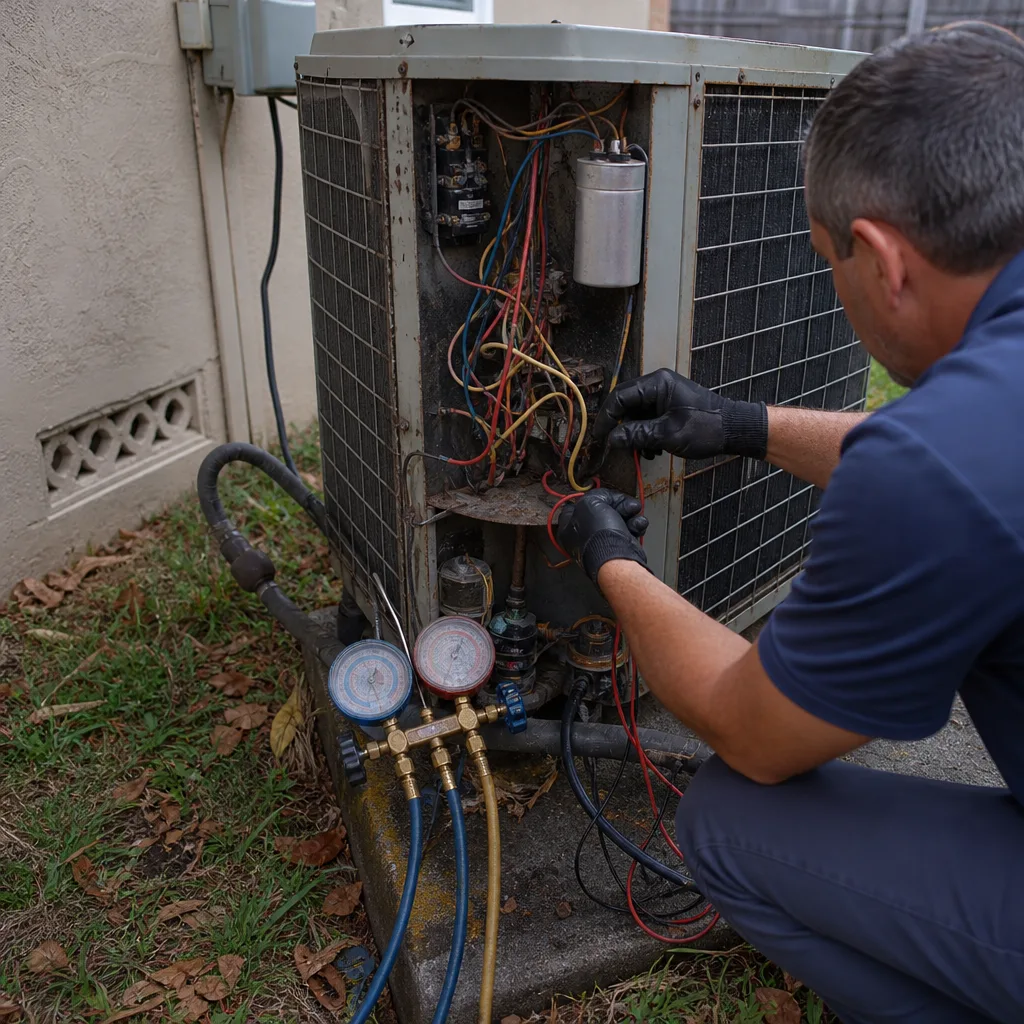 Before
 After
After Before
 After
After Before
 After
After